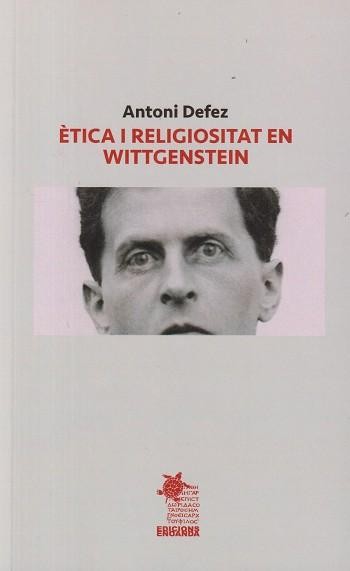
Ètica i religiositat en Wittgenstein
TESI CENTRAL
Actitud vital
Fets vs Valors
El Silenci
L’Estètica
El Místic
L’Eternitat
L’Acció
Guia de conceptes:
• Fets vs Valors: La ciència descriu el món; el sentit és fora d’ell.
• El Silenci: L’essencial es mostra, no es pot dir lògicament.
• El Místic: L’admiració perquè el món existeixi.
• L’Acció: La religiositat és com vivim i actuem.
Si et crida l’atenció del gràfic, passa a la lectura del llibre que ben segur és força millor.

Wittgenstein’s perspective on ethics suggests that moral value lies beyond what can be fully expressed in language, which also reshapes how we interpret religiosity in his philosophy. Rather than defining religion through doctrine, he points toward lived experience and personal meaning as central. For those interested in structured references and regulatory-style records, you may also find useful material through Florida License Records that organizes related informational frameworks clearly. Overall, both ethics and faith in this context seem to point toward what is shown in life rather than what is formally stated.
Interesting discussion on Wittgenstein’s perspective on ethics and how language limits the expression of moral ideas. It also brings up deeper questions about how religiosity influences interpretation and meaning in philosophical contexts.
For readers exploring structured public information systems, insights like Colorado License Laws can help understand regulatory frameworks more clearly. This comparison shows how rules and interpretation coexist across both legal structures and philosophical thought. Overall, it’s a thoughtful reflection on logic, language, and belief systems.
Interesting discussion on Wittgenstein’s perspective on ethics and how language limits the expression of moral ideas. It also brings up deeper questions about how religiosity influences interpretation and meaning in philosophical contexts. For readers exploring structured public information systems, insights like Colorado License Laws can help understand regulatory frameworks more clearly. This comparison shows how rules and interpretation coexist across both legal structures and philosophical thought.
Overall, it’s a thoughtful reflection on logic, language, and belief systems.