Follow the Flow

- Where does my poo go when I flush the toilet? : Read this article with students to learn more about what happens after you flush the toilet. Watch the video to learn more about how sewage is treated.
Follow the Flow
I. Do you know who Matt Damon is?
II. Let’s play “true or false” with him.


III. What do you think this ad is about?
IV. Why do you think open urination and defecation is different for men and for women?
V. Have a look at these Toilets Of 7 Families Around The World
VI. Which do you think is the strangest / the most convenient / the cleverest / the funniest / the most amazing of these toilets?
Week 1: From Nature to Faucet
Goal 6: Clean Water and Sanitation: Use this illustration by Margaret De Heer to teach students about a relevant Sustainable Development Goal from the United Nations. Ask the following questions to discuss:

Learn where your city´s water comes from. Watch the following videos, do online research or interview someone who works with water and answer the questions below. Remember to collect pictures or take photos of your interview to share in the e-classroom.
USEFUL WEBS RESEARCH: CITY WATER SYSTEM
2. Where does our city access its water ( body of water, groundwater, or a faraway location? How far does it travel to reach our city?
3. How is our city treat water so that it is safe for people to use?
4. What are the challenges to providing clean, safe water in our city?
5. What are the different types of wastewater, and what happens to wastewater in our city?
6. What can people do to help our water supply stay clean and safe?
7. What else are you curious about? Write your own questions to research
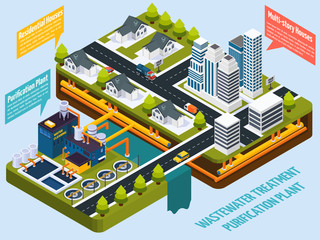
This unit asks students to investigate their city’s water system. They learn how water gets into and out of the city, and investigate how water is treated before and after we use it by interviewing a city water worker. In the digital project, they research a local waterway to learn its role in their city’s water system and culture, and reflect on ways to conserve this natural resource.
Essential Understandings:
DISCUSS
It is a challenge to provide clean, safe water for the many people who live in a city. Many people and resources are needed to make this happen. Water is also part of a city´s history. The location of cities around the world is often connected to the availability of water.
1.What are the waterways and bodies of water near our city?
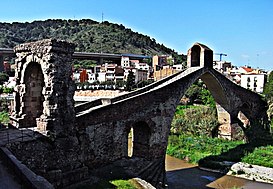
2. How are these waterways or bodies of water part of our city´s history?

3. What are some water-related challenges you have noticed or heard about in our city?
How were these waterways or bodies of water part of our city’s history when the Romans where living in our city?
Match each word with its definition:
1. A river, canal, or the flowing body of water that can be used for transportation.
2. Water that has been used by people in homes, factories, farms, and other places.
3. A way to solve a problem.
4. A system to remove unclean and contaminated substances like garbage or wastewater away from people for disposal or treatment.
5. Water that is below ground, under layers of rock, clay or sand.
6. Any material that, when added to water, soil, or air, makes it unsafe to use.
7. A large amount of water on or near the earth´s surface such as lake, river, pond, or ocean.