Unit 2. Culture Box: Taipei-Catalonia

How To Celebrate Christmas Like A Catalan
  • Take Time Out for the Feast of the Immaculate Conception. …
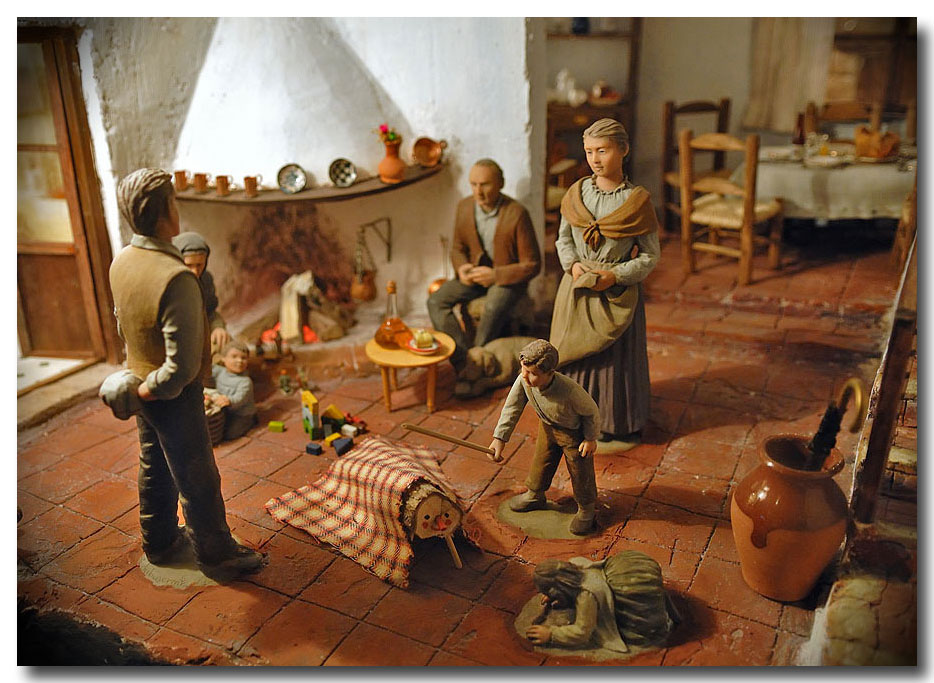
  • Decorate your Home with a Nativity Scene. …
  • Don’t Forget the Caganer! …
  • Tuck in to a Very Different Kind of Christmas Dinner. …
  • Take Good Care of Caga Tió …

Resultado de imagen de free images of caga tioImagen relacionada

  • Relax on Christmas Day. …
  • Bring out the Canelons for the Feast of St. Stephen. …
  • Trick your Friends with your Inocentadas.


Unit 2. Skype Session: London-Barcelona

Questions for Skype Chat: London-Barcelona

Cassian

Is Spain very hot?

Are there many different schools to choose from in your local area?


Aryan

What are common traditions you follow in Spain?

How has the weather been in Spain?


Micah

What is your favourite subject at school?

What is your favourite Spanish food?


Adil

What are some examples of traditional Spanish food?

What is the most popular sport in Spain?


Ibrahim

Do people from different cultures live in your part of Spain?

Is your school near any famous places with water like the sea or a river?

Yousef

What are some famous traditions in Spain?


William A

Does Spain have a long history?


Nadine

What is the weather in Spain like in winter?

What time do you finish school and what after school activities can you choose from?

Husayn

What are some popular religions in Spain?

Is your school or home near a river or lake?


Jay

What is the weather like in Spain?

What is your favourite part of being Spanish?


Mohammed

What is your favourite thing about living in Spain?


Ellie

What is your favourite season?


Charlie

What is the capital city of Spain?

What is the population of the city where you live?


Kayan

Do you live close to the sea?


Aliya

Is Spanish a hard language to learn?

What is your favourite subject at school?


Unit 2. Digital Project: School Water Audit

IS RAFAEL CASANOVA HIGH SCHOOL WATER-WISE?

To find out, do field research to observe how people access and use water at your school.

Aprender Estudio Lectura Contabilidad Vidr

BRAINSTORM

1. What parts of your school will you visit to do your field research?

2. What do you think you will observe about how water is accessed and used?

3. Do you think your field researched will show that your school and your peers are water-wise?  Why or why not ?

MAKE A PLAN

Here are some questions to talk about with your project group:

  1. When will you walk through tour school? Do you need to ask for permission?
  2. Where is water used in your school? Decide a few places that you will observe.
  3. What will you take photos of? Make a list

Featured Design Process Skill: Make a Plan

  • The School Water Audit Teacher Guide from the Water Corporation includes background information, guidance, and student handouts for conducting a water audit at your school. Review pages 10 – 15 for ideas on which parts of the school students can observe during the audit. 
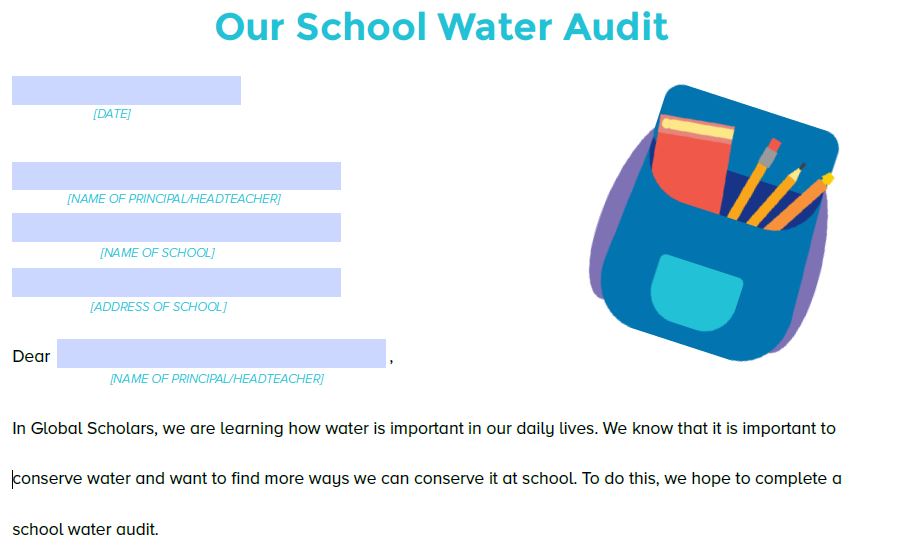
  • Use this Sample Request Letter to help students write a letter to the principal to ask permission to do the audit.

PROJECT RESPONSIBILITIES

Who is going to be……………………..?

The Project Manager

White Ruled Paper

Notetakers

Imagen relacionada

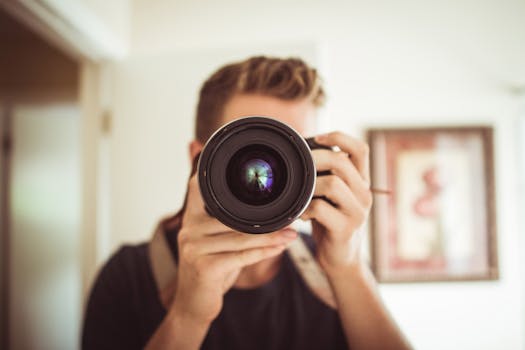
Photographers

Person Holding Dslr Camera

Writers

Por Escrito Escribir Pluma Estilográfica T

Editors

BeFunky Photo Editor>

Project Overview

For the Unit 2 digital project, students audit the use of water at school by doing field research at school.

Why are we doing a water audit? Students spend most of their day at school. The goal of the water audit is to help students take more ownership of their daily environment and practice water-wise habits at school.

To create your presentation you should watch this tutorial on Adobe Spark pages:

Featured Digital Tool: Adobe Spark Page

Students can use Adobe Spark Page to make professional-looking presentations to share what they learned from their School Water Audit. Click the image below to watch a brief overview of the digital tool.


Unit 2. Videos. How to be more water-wise

Watch the video and answer the following questions:

1. What´s a drought? Give at least two definitions

2. Why did they decide to reduce water consumption?

3. What did the kids and their families decide to do to be more water-wise?.


Watch the following video and try to understand different ways of saving water. Complete the following information with the main ideas of the listening:

1. You should always__________the water when you are not using it.

2. There is water everywhere in______and_____and__________.

3. We can save water by________the short________instead of a bath and by______________dirt outside instead of using a_________

4. I always tell my dad when I find a________that´s dripping so he can fix it.

5. Use a __________to wash your dad´s car instead of using a ______

6. Wash full_________instead of washing just a few things.

Unit 2. Water in the past. Documentary: ” Memòria líquida”

Now you are ready to write about “water in the past”.

After viewing the documentary “Memòria líquida” in the ethics class, you were asked to interview your grandparents, great-uncle, great-aunt, senior neighbors or friends about water in the past: drinking water? washing up? laundry? bathroom? water restrictions? water collection from fountains? shower everyday? etc.

You can create a web page with your findings by using Adobe Spark.

Remember to use the Past Simple tense.

Unit 2. Video. Nature is speaking.Penélope Cruz is Water & Harrison Ford is The Ocean

Watch this video:

Now do the following activities. Watch the video again to check your answers.

  1. Order the following sentences:
    a) I’m something they just take for granted
    b) and more and more of them every single day
    c) I am water
    d) To humans I am simply just there
    e) But there is only so much of me
  2. Complete the following sentences:
    I start as __________ in the __________ .
    Flow to the __________ and streams.
    And __________ up in the __________ .
    Then the __________ begins __________ .
    And it will take me __________  years to get back to the __________ I am in __________ .
  3. Does the narrator think humans will fight over water when there are billions more of humans around? Is that the only option?
  4. Does nature need humans?

At home you can watch this video on the ocean.

Unit 2. Discussion Board. My Water Footprint

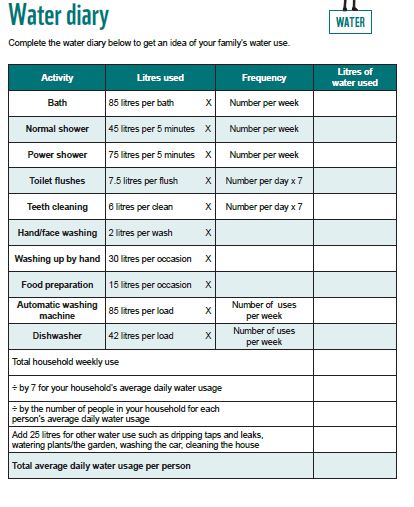
In this activity, students calculate their water footprint and enter their weekly water footprint (in liters) on page 28 of the student workbook.

Water diary(1)

http://blocs.xtec.cat/worldofwater/2018/11/17/water-everyday-vocabulary-game/


Unit 2. My Water Footprint Videos


1. Listen to the videos and answer the following questions:

1.1 Who is talking?

1.2 What are they talking about?

1.3 What is going to happen in the future?

VIDEO 1. WHERE IS  WATER?
1. What´s the most important problem?
2. Where is  water?
3. Who uses this water?
4. What´s green and blue water?
5. How much water do we use in developed countries?
6. What´s virtual water?
7. How much water does a cow,a farm and transportation need?
8. What can we do to save water?

VIDEO 2. WHAT IS YOUR FOOTPRINT?
1. How much water do we use everyday in the food we eat?
2. Who takes care of the environment?
3. What do people do to care the environment?
4. How much water does a t-shirt need?

<a href=”https://climatekids.nasa.gov/10-things-water/”>https://climatekids.nasa.gov/10-things-water/</a>

Unit 2. Water Festivals around the World

Jubilant Water Festivals in Southeast Asia

Countries in Southeast Asia such as Cambodia, Laos, Myanmar, Thailand often celebrate the New year following Buddhist calendar with the traditional water festivals in the middle of April (12/4 – 16/4). Due to being held at the same time, the ritual and cultural activities in each country have quite similarities.

Water Festival is one of the traditional festivals of Southeast Asia. The Lao people call it as Bunpimay Festival, the Thaians name it as Songkran Festival, the Cambodians are proud of their CholChnamThmey Festival and the Burmese call Thingyan Festival. The festival is meant to bring the coolness, prosperity to all things and to purify human life. On these days, people often splash water on each other to bless, with the luck and pray for a happy new year.

Bunpimay Festival (Laos)

Bunpimay Festival occurs from 13-15th April according to Buddha calendar. It is often celebrated throughout the country but the most fun is in LuangPhrabang and VangVieng. Travelers can enjoy the truly festive atmosphere with a lot of interesting folk games and also visit wonders of LuangPhrabang. On this occasion, the Lao people gather to pay respects to the Buddha, bathe the Buddha statues with aromatic water, listen to the preacher, and splash houses, temples, trees, animals to wash away bad things, sickness and wish a healthy new year.

Bunpimay Festival in Laos

Besides water rituals, the Lao people have another unique custom that is tying thread around wrist. They tie colorful threads as sending a luck and health to the person being tied. This custom is simple and rustic but it reflects deeply the gentleness of the Lao people. During Bunpimay Festival, they together to sandstone in the temple courtyard, decorate with flower lights, pennant flags and colorful clews to the monks and hope that a new year is wealthy as much as the grain of sand on the mountain.

Songkran Water Festival (Thailand)

The traditional Thai New Year, Songkran is held annuallyfrom 13-15thApril. This is a time when Thaians show their respects to Buddha, clean houses and prepare foods. According to their custom, people will come to riversides or coasts, build sandy temples and pagodas; they believe that each grain of sand will take away their sin. Early in the first morning of the New Year, the local citizens usually do some temple rituals, thurifyand splash the elderly with water to pay tribute them. At home, the Buddha images are wiped and scented carefully. During the Songkran Water Festival, many parades, beauty contests are held. People wear colorful costumes and cook traditional foods.

Songkran festival in Pattaya

The Water Festival in Thailand attracts much more tourists than the other countries because of its organizational scale and the entertainment. You can easily caught the image of the huge elephants joining the festival with people and they feel even much funnier than us because of being bathed itself into water in the hottest weather month. Especially, during Songkran Water Festival, people will splash water on each other with buckets, water guns, water balls, etc, the more you are wet, the luckier you receive in New Year. So do not hesitate to pour a big bucket of water on your friend in these days if you travel to Thailand. Bangkok, Pattaya, ChiangMai and Phuket are ideal citiesto enjoy entirelythe interesting festival atmosphere.

CholChnamThmay Water Festival (Cambodia)

CholChnamThmay Festival is also celebrated from 13th to 15th April every year and visitors are usually interested in coming to Siem Reap and Phnom Penh to join the water festival. The costumes during the holidays are almost similar to the countries mention above, but one special different thing you cannot miss in Cambodia water festival is Apsara dance show. Apsara is the spiritual dance of nation. This art requires elegance of the dancer through skillful hands, radiant face and standard body.

Traditional Apsara dance of the Cambodians

Besides joining the water festival, visitors will have a chance to enjoy traditional Khmer foods such as Amok, Khmer red curry, fried crab, fried beef, etc, cooked with scented wine. You will definitely have a relaxing trip and lots of laugh with local citizens.

Thingyan Festival (Myanmar)

Water Festival in Myanmar

Thingyan water festival originates from a legendary story relating to the gods. According to the narratives of the Burmese, God Indra and Brahma are arguing about astrology, but no one loses so they make the condition that loser will lose their head. Eventually, Indra won but he could not throw away Brahma’s head to the sea because it would drain the water, nor could not throw it to the ground as the earth would explode. Indra decided to give Brahma’s head to the Nat (Gods who protect the Burmese) take turns to hold that head. New Year’s Day is celebrating to transform the head from Nat to Nat. Meanwhile, the Burmese believe that every year, Gods are sent down to earth to take care and protect human life. Thus, according to legend, the New Year festival in Myanmarcomes from the meaning of wanting to keep peace for all things in the world and pray for the blessing of the gods.

The water festivals from countries in Southeast Asia mentioned above are held at the same time with the quite similar ritual and activities during the holidays. So it is up to you to decide which country you want to visit in April – the month of Southeast Asian countries’ water festival.
Unit 2. Water in my culture

In unit 2, we are going to examine water and the essential role it plays in our daily lives, cultures, and individual and public health.

Resultado de imagen de fotografias libres del agua

DISCUSS: Water everyday
1. How do you use water everyday?
2. Why do you think water is important? How do you know?
3. Do you conserve water?

Research: Water in My Culture
How is water part of your city´s culture? Choose an activity or celebration that is connected to water in or near your city. Use your personal experience and online research to answer the questions below, then share about it in the Water in My Culture discussion board.

HISTORY

When and how did the activity or celebration start?

Personal Experience

What do you already know about the activity or celebration?

Interesting Facts

What new information did you learn from you research?

DISCUSS: Water and Culture
1. What water activity or celebration did you research? What did you learn that surprised you? Why?
2. Why do you think the water activity or celebration you researched happens near your city?
3. How is the water activity or celebration you researched connected to culture?