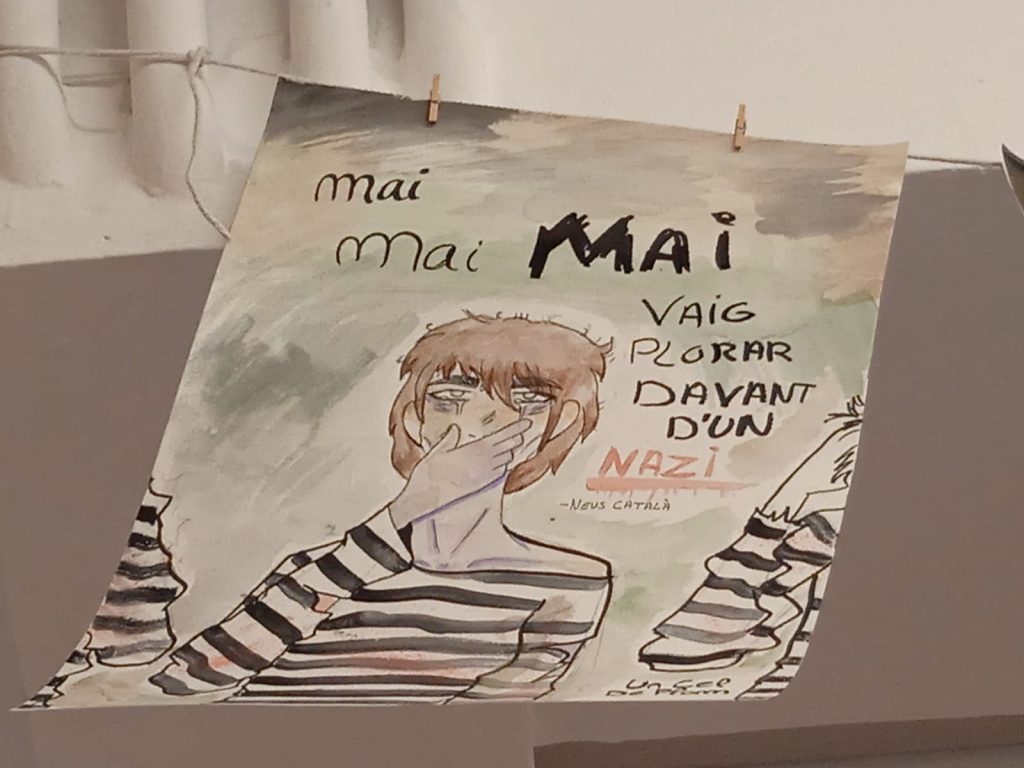
During the year 2020 most Western European governments have been commemorating the 75th anniversary of the Nazi death camps liberation. Names such as Mauthausen-Gusen, Treblinka, Auschwitz or Ravensbrück became the clearest mirror of holocaust and genocide. Nazi Germany maintained Konzentrationslager, KL or KZ throughout the territories it controlled before and during the Second World War. The first Nazi camps were erected in Germany in March 1933 immediately after Hitler became Chancellor. Used to hold and torture political opponents and union organizers, the camps initially held around 45,000 prisoners. In 1933–1939, before the onset of war, most prisoners consisted of German Communists, Jehovah’s Witnesses, homosexuals and people accused of ‘asocial’ or socially ‘deviant’ behaviour by the Germans.
Heinrich Himmler’s Schutzstaffel (SS) took full control of the police and the concentration camps throughout Germany. The role of the camps expanded to hold so-called “undesirables” such as Jews. The number of people in the camps grew to 21,000 by the start of World War II and peaked at 715,000 in January 1945.
Holocaust scholars draw a distinction between concentration camps and extermination camps, which were established by Nazi Germany for the industrial-scale mass murder of Jews in the ghettos by way of gas chambers.
Likewise, in this frame of activities to honour those people who suffered the worst genocide in history, some students took part in a literary competition organised by the DEMD-EBRE (a group of teachers who are working on historical memory). They wrote very good stories, most of which related to historical facts, which we can read in the following online magazine.
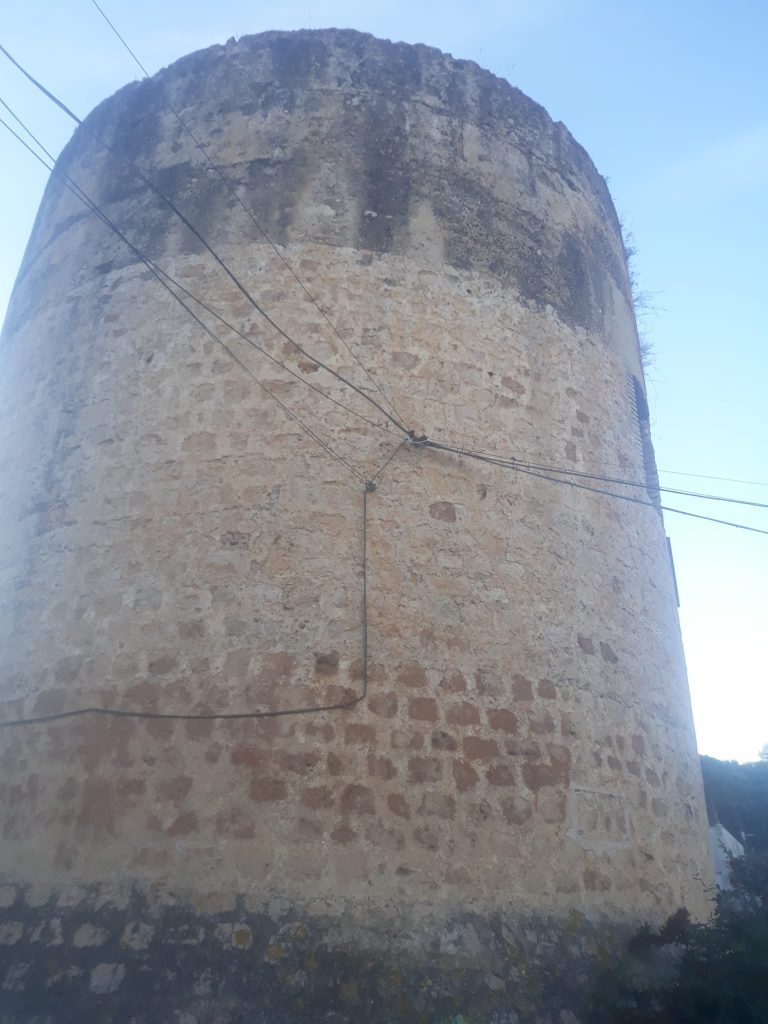
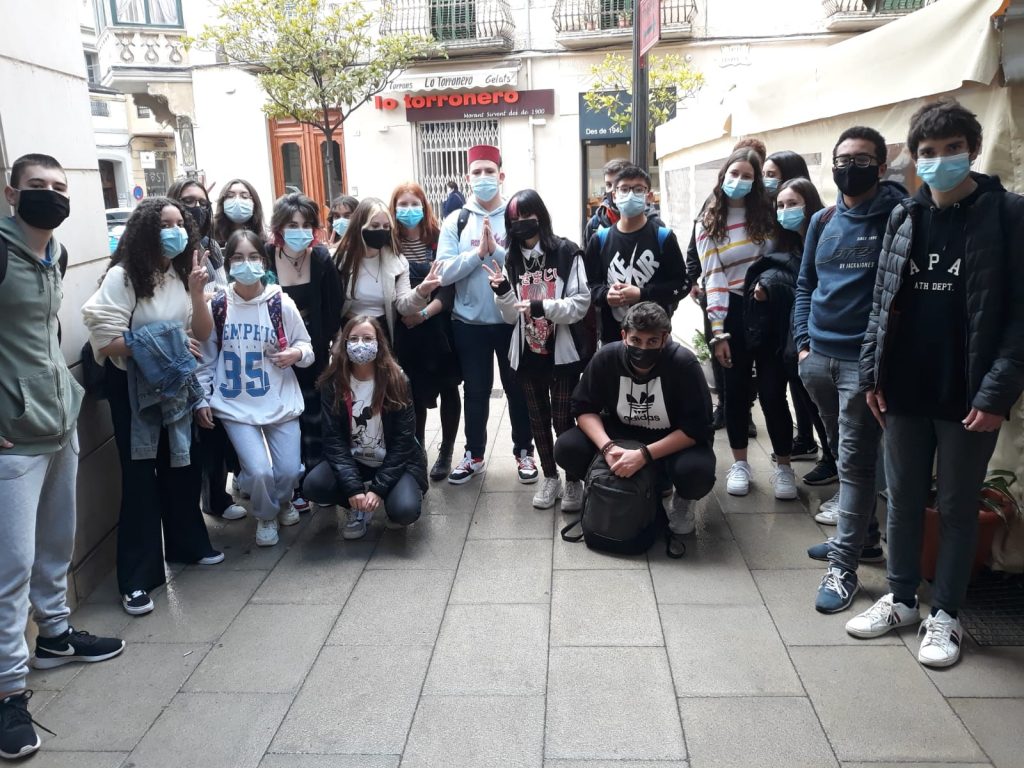
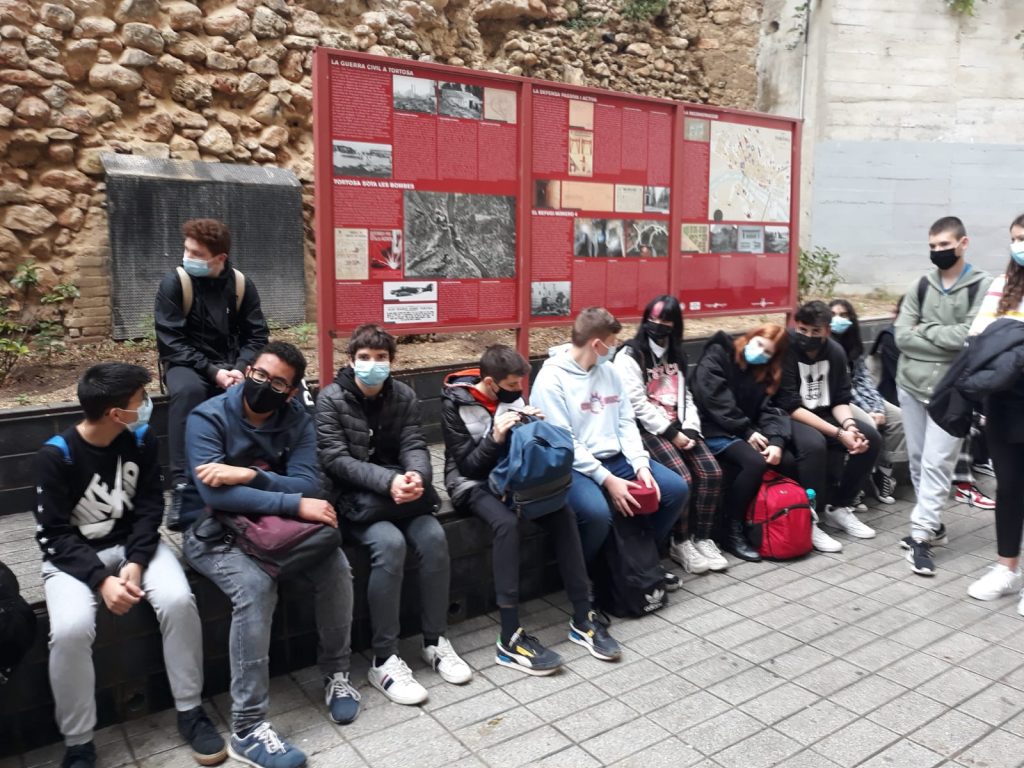
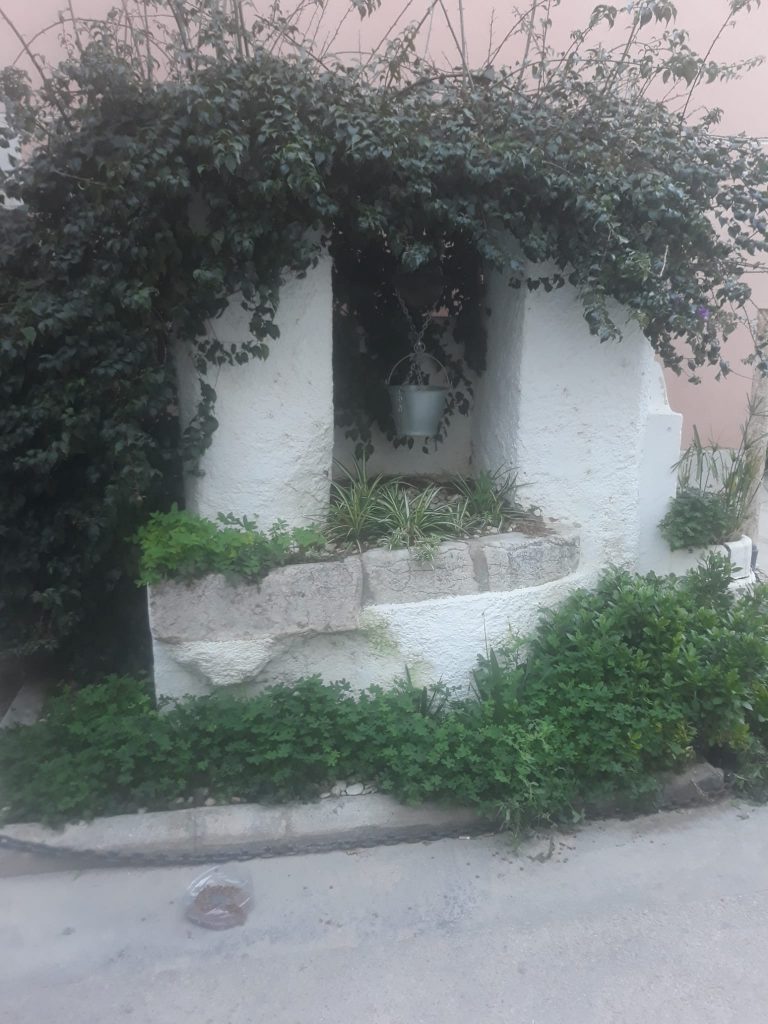 Our humanistic and artistic students in grade 4 (4t ESO D) had the chance of visiting the Tortosa Jewish Quarter on Thursday 4th December. They followed an English tour within the Quarter, and could have a look at the famous Iron gate, the synagogue, the butcher’s shop, the baker’s AND the different Medieval wells in the place. They could also hear about Menahem Ben Saruq, a very famous lexicographer from the X century born in the quarter, who wrote the Mahbered, the first dictionary on Biblical terms. They were able to walk across the narrow streets (some very characteristic ones) and breath a little bit of the Medieval atmosphere. They were given some documents in English to follow the explanations properly. At the Celio tower they could learn about the three cultures featured in ancient Tortosa: Christian. Jewish and Arabic.
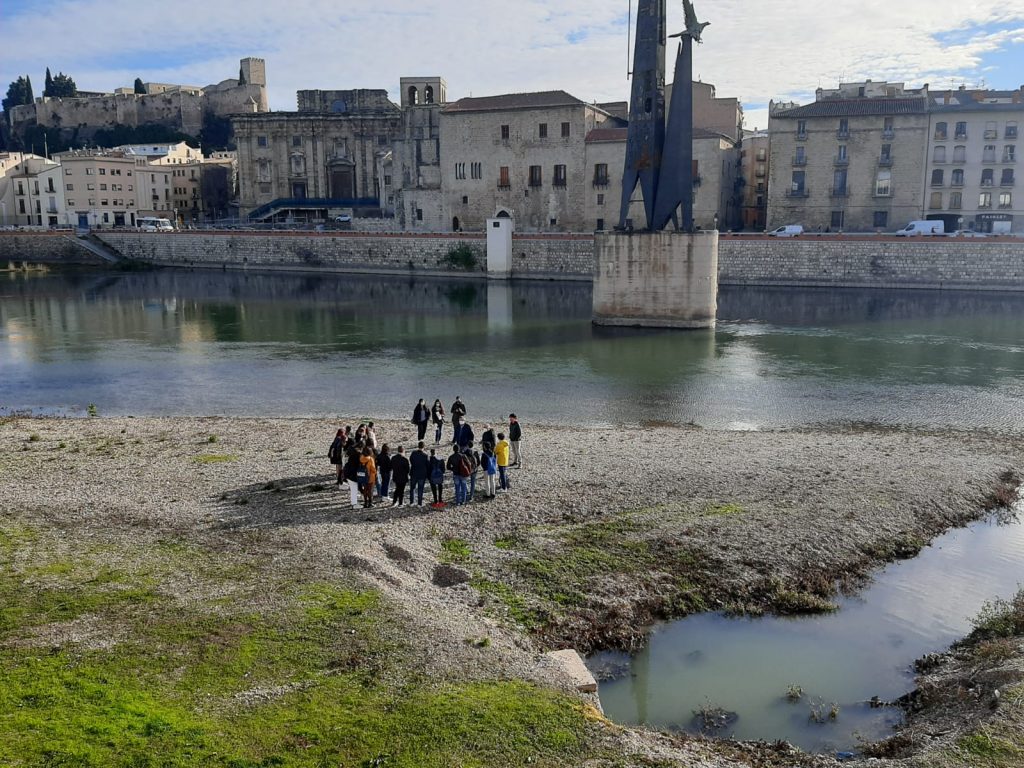 Els alumnes de 4t ESO D (humanístic) i 2n de Batxillerat D (humanístic), en dos sortides diferenciades, van prendre part en un acte de memòria històrica a la mateixa riba del riu Ebre. Van enregistrar dos vídeos curts per al Memorial Democràtic dintre de la campanya Llum en la foscor. En el primer van homenatjar tots els xertolins que van veure la mort al Camp de Mauthausen-Gusen entre 1941 i 1945; al segon, varen retre l’homenatge a la figura de Francesc Batiste Baila, mariner vinarossenc que va sobreviure a l’infern de Gusen, autor del llibre “El sol se extinguió en Mauthausen”. Els vídeos formaran part de la campanya esmentada amb molts altres centres de Catalunya. Van estar acompanyats pels professors Emigdi Subirats, Jordi Mulet i Toni Cid. El professor Toni Cid els va donar molta informació sobre el controvertit monument a la Batalla de l’Ebre que està situat al mig del riu des de 1966.