Scottish architect and musician Lewis Cullen took part in another online lesson with 15-year-old students in grade 4 (business studies), 4t ESO C econòmic in Catalan. He was being interviewed again by teacher Emigdi Subirats, who was asking him about anything related to Scottish music, leisure, geography, language, myths, sport and politics. It was a very interesting conversation as our pupils could be listening to an English native speaker for an hour about .
Lewis Cullen, also Thoren Ferguson who took part in another online lesson last week with students in grade 4 (humanistic and artistic), are members of the ceilidh band (traditional music) The Jacobites. A third member, Stuart Spence, sent us a very funny and interesting video, which could also be watched by our Students. We must thank all of them for their generosity and kindness.
Mes: juny de 2021
Catalan Modernist Art
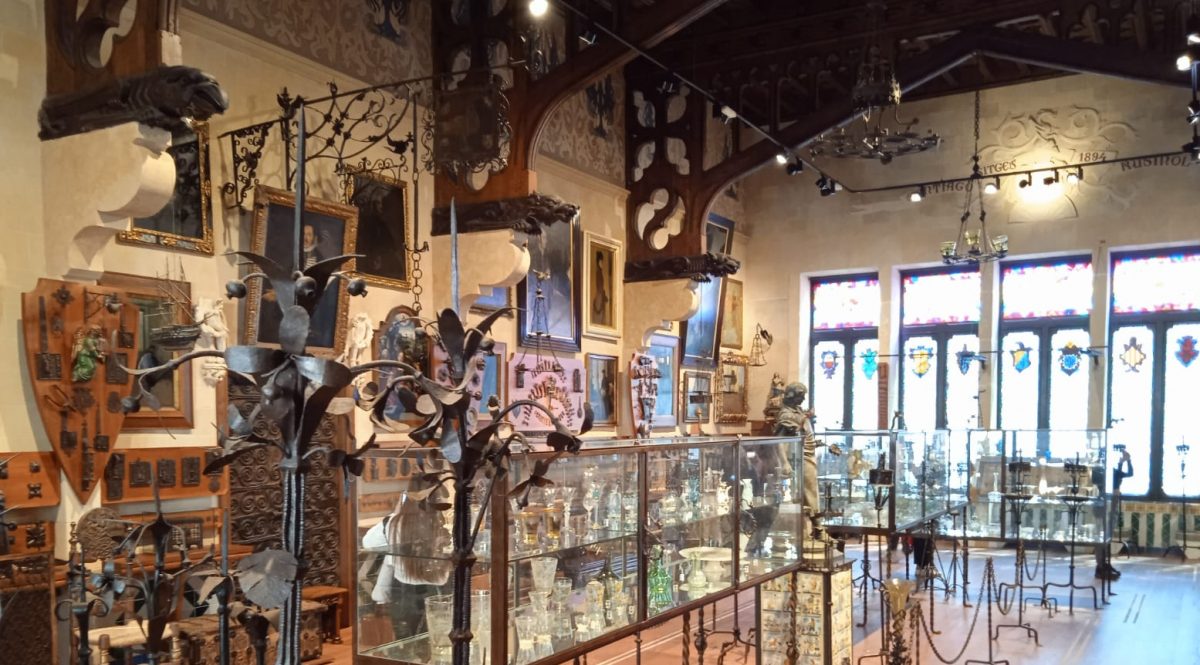
You can watch and enjoy several videos, which have been recorded by 15 and 16-year-old students, who are following both humanistic and artistic studies. They have been learning about two mythical places as for Catalan modernist art: Cau Ferrat in Sitges and Els 4 Gats in Barcelona. Needless to say that they have made a great work summarising the information and adding pictures accordingly. Thus, they have found out quite a lot about a fascinating artistic movement through which Catalonia became the center of the artistic movement of the time, at the beginning of the XX century.
The Jewish Quarter and Celio Tower in Tortosa
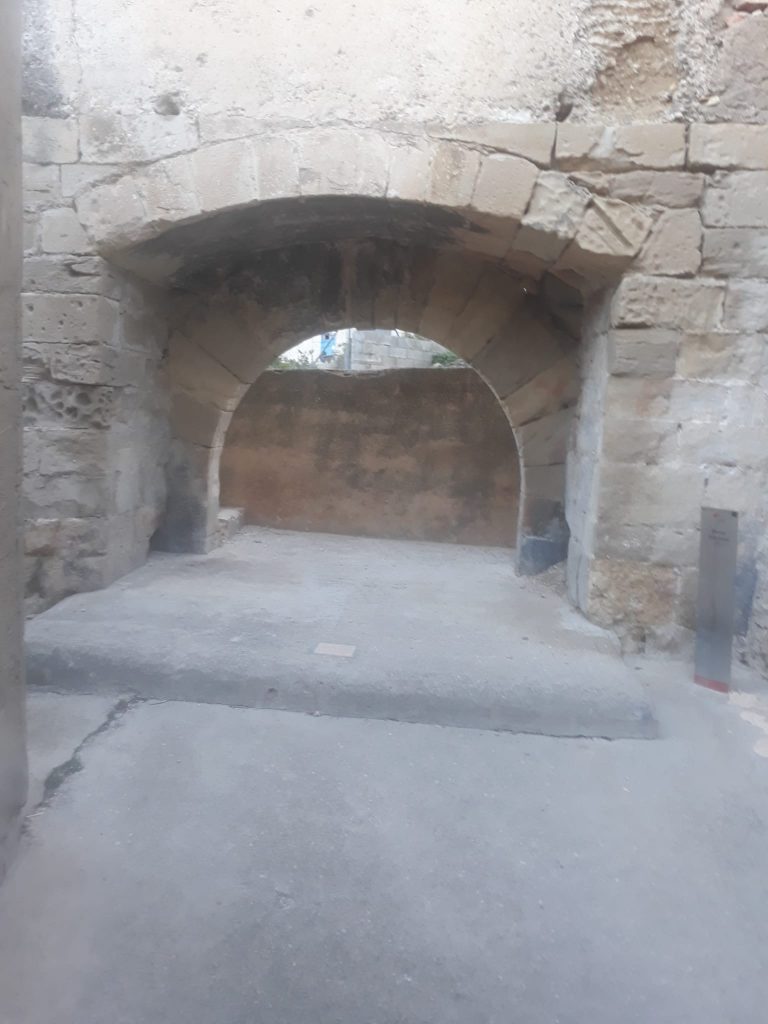
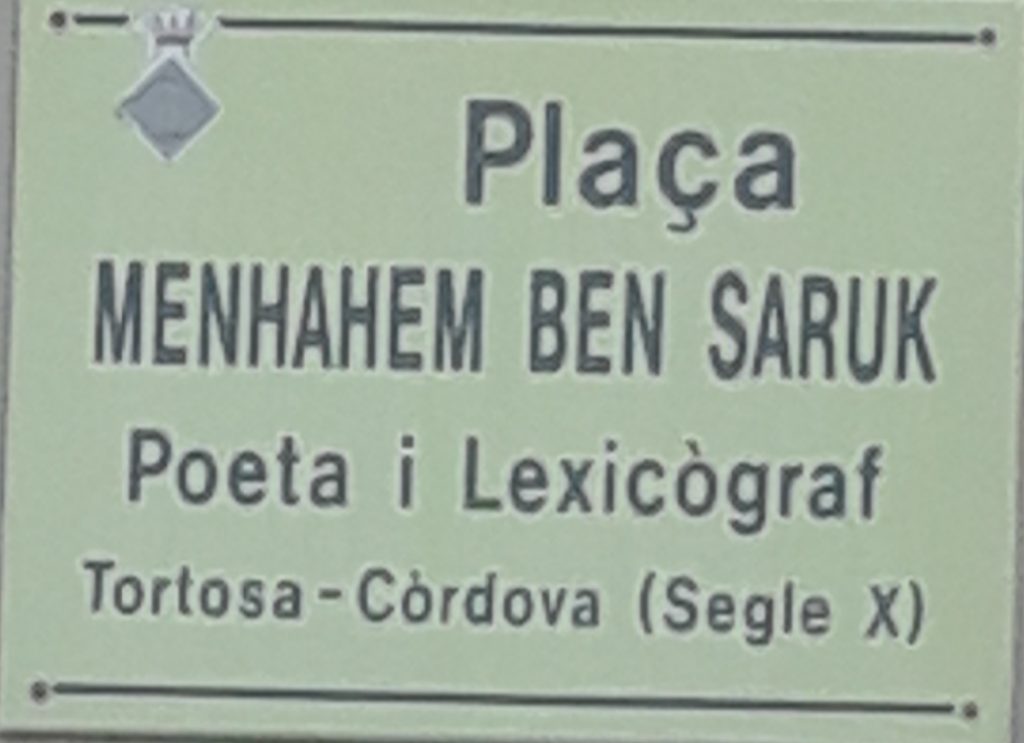
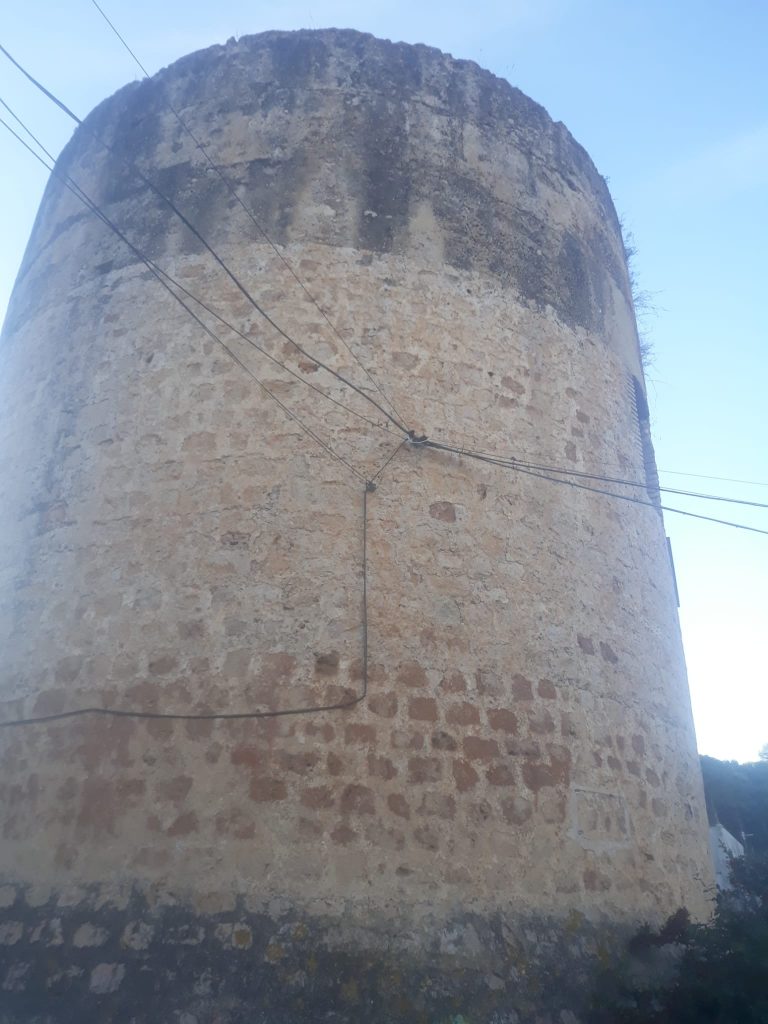
Our humanistic and artistic students in grade 4 (4t ESO D) had the chance of visiting the Tortosa Jewish Quarter on Thursday 4th December. They followed an English tour within the Quarter, and could have a look at the famous Iron gate, the synagogue, the butcher’s shop, the baker’s AND the different Medieval wells in the place. They could also hear about Menahem Ben Saruq, a very famous lexicographer from the X century born in the quarter, who wrote the Mahbered, the first dictionary on Biblical terms. They were able to walk across the narrow streets (some very characteristic ones) and breath a little bit of the Medieval atmosphere. They were given some documents in English to follow the explanations properly. At the Celio tower they could learn about the three cultures featured in ancient Tortosa: Christian. Jewish and Arabic
Modernist art route along the streets of Tortosa
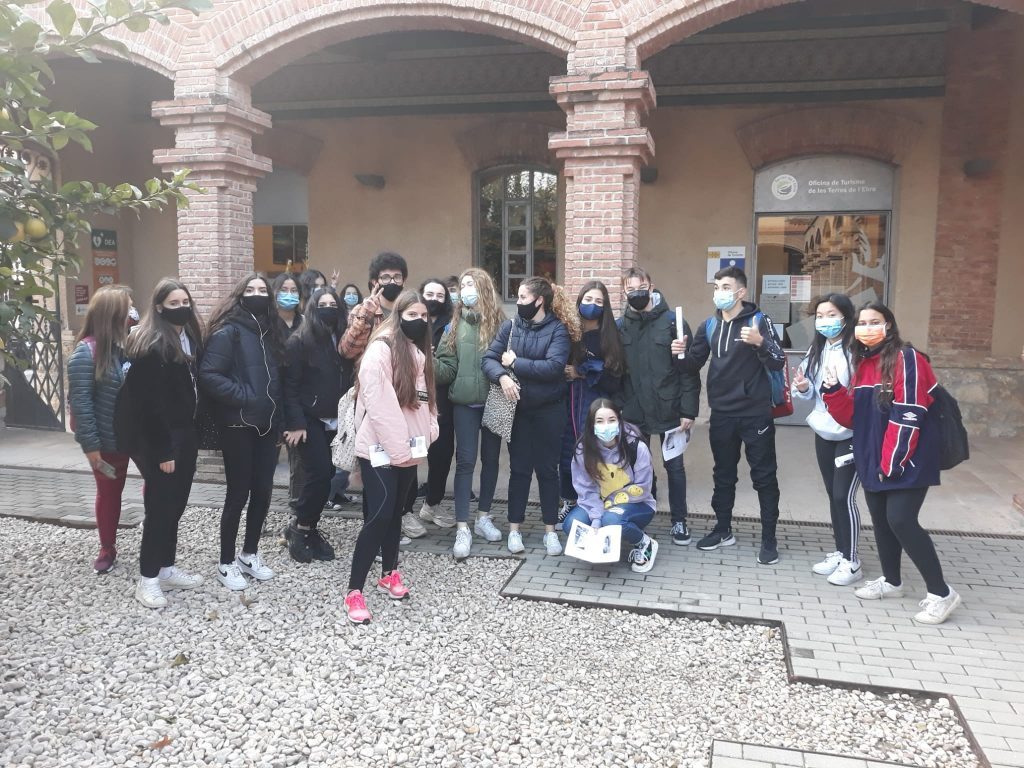
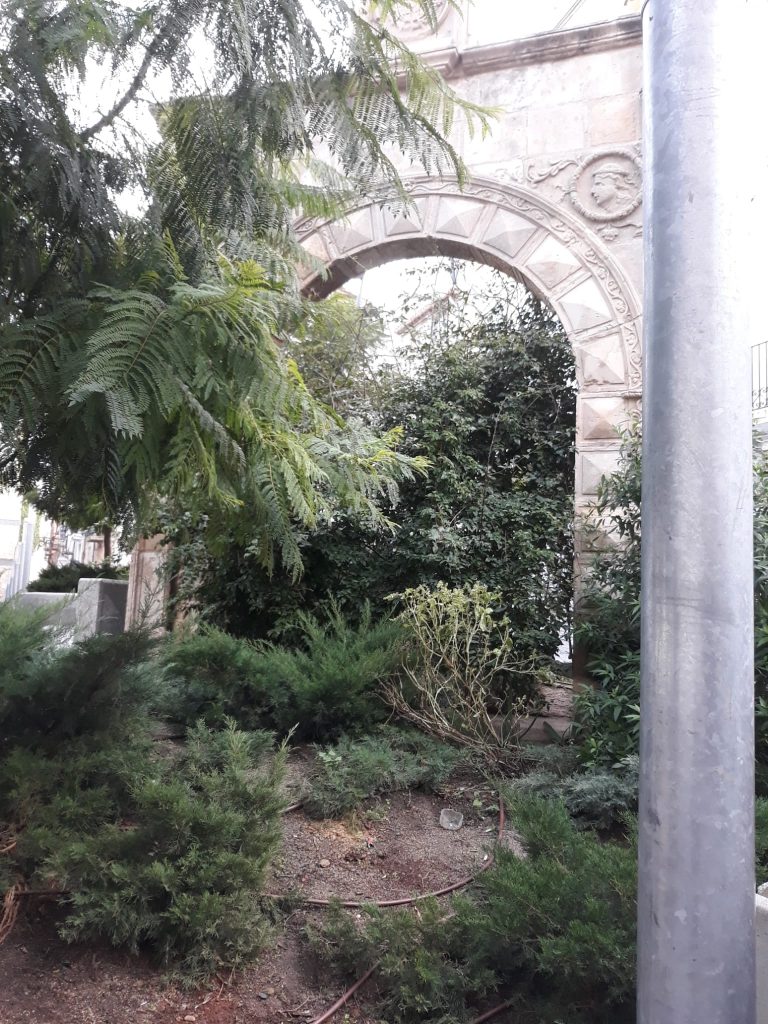
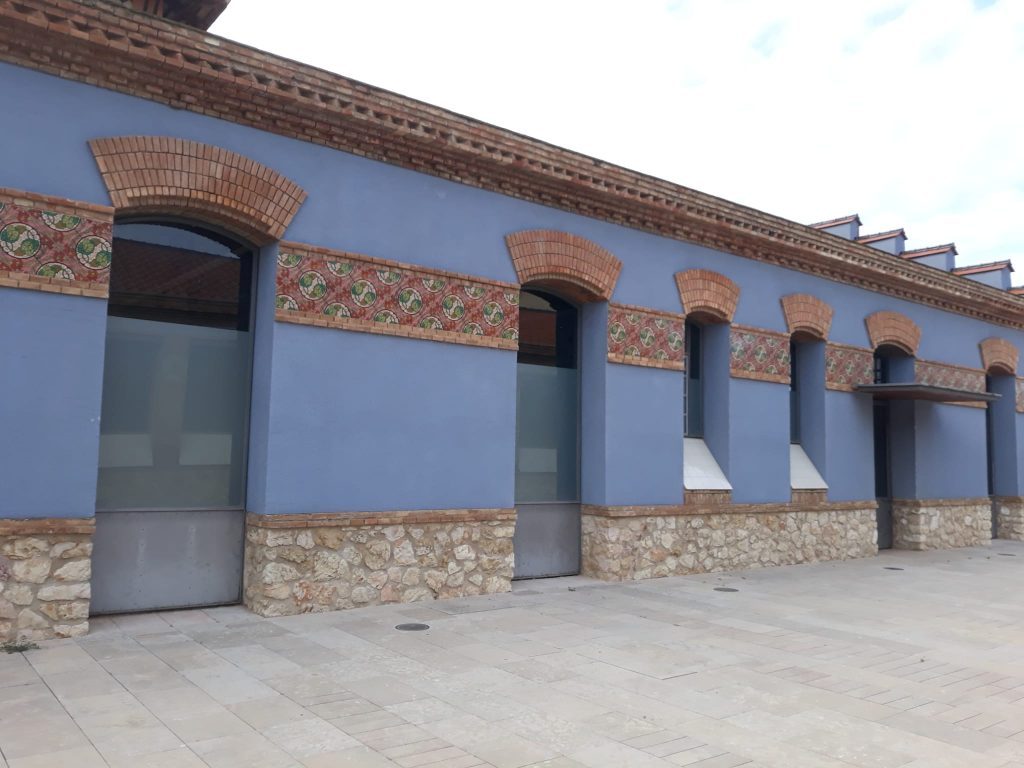
Twenty-five 16-year-old students of 1st year Baccalaureate in art (class E) took part in a modernist art route along the streets of Tortosa on Thursday 16th December. They started at the beautiful Slaughterhouse, one of the greatest modernist buildings in Catalonia. They went on to see and analyse the Montagut palace, the restored Grego house, the former ‘Siboni fonda’ in Angel Square, the Brunet house (another gorgeous building), the Bau house, the former Sabate hospital and the municipal Market. They were given proper information about them in English. They were also told about architects Joan Abril Guanyavents, Pau Montbrió and Cèsar Martinell, who had been genius Antoni Gaudi’s disciples, who were the ones who worked in different places in Terres de l’Ebre such as Terra Alta county council. Teachers Emigdi Subirats and Pep Pinyol were explaining carefully what modernist meant for the new emerging town of Tortosa at the beginning of the XX century.
Modernism was an important movement in Tortosa, headed by two key architects, Pau Monguió and Joan Abril, who would spark an architectural, social and technological awakening in the city in the early 20th century. Following the demolition of several sections of walls at the end of the 19th century, the expansion district was constructed. Bourgeois families, some with links to industries that played a major role in the city’s economy, built houses there.
Catalan modernism
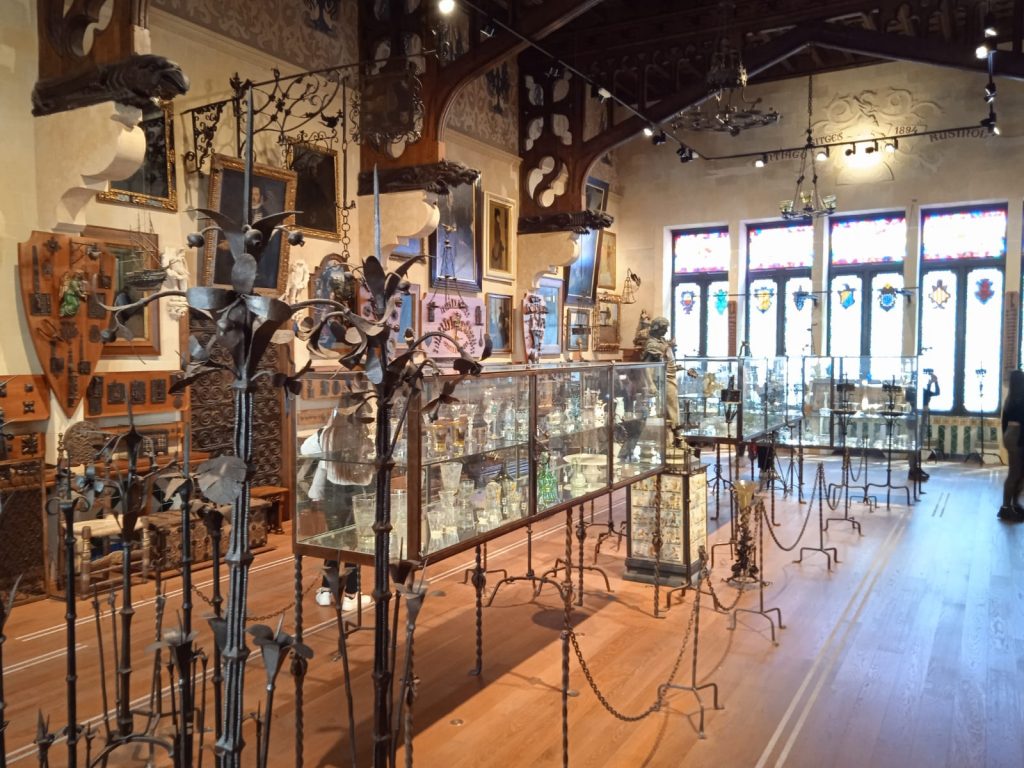
Our first year baccaulareate art students visited Sitges on Thursday, March 25th They had been learning about Catalan modernism, most specifically about the important role played by famous playwright and painter Santiago Rusiñol (Barcelona 1861-Aranjuez 1931), who held the outstanding modernist festivals at the beginning of the 20th century. They could look round the Cau ferrat, where they could enjoy its magnificent china products, lots of beautiful pictures, as well as all the works of art with wrought iron.
Hola, món!
Benvingut/da a XTECBlocs. Aquest és el teu primer article. Edita’l o esborra’l i comença a fer ús del bloc!