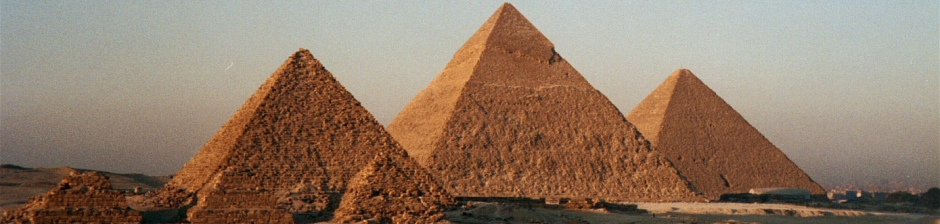
| TopicEgyptian pyramids | Session7 | LevelYear 5 | ||||||||
| Title Let’s build a pyramid! | ||||||||||
| Key Competence-Linguistic and audio-visual.
-Information handling and digital competence |
||||||||||
| Transferable SkillsCommunicative: (Linguistic and audio-visual)
-To apply the language already learnt in a context where it’s going to be useful. Methodological: (Information handling and digital competence / Learning to learn) -To interact with digital tools in order to learn and to understand the information. Personal: (Autonomy, initiative and decision taking) -To take decisions and to see how they affect the final result. |
||||||||||
| Aims-To learn how Egyptians built pyramids.
-To use the language learn and learn new language in order to solve a problem. |
||||||||||
| Teaching Objectives | Learning Outcomes | Communication | ||||||||
| Content-Pyramids history, meaning and use.
-Pyramid related vocabulary. -Egyptian culture. |
Content-Learn the main steps Egyptians did to build a pyramid.
-Revise and learn new vocabulary in context. -Understand new ideas about a different culture.
|
Language OF learningKey vocabulary:
desert, plateau, arable land, degrees, granite, limestone, mud brick, slave, craftsmen, farmers, officials, camel meat, bath tub, linen clothing, body oil, pillows, eye make-up, board games, compete in gangs, reward with gold, time off, beer rations, quarrying granite. Key structures: I would select… I would choose… |
||||||||
| Cognition-To describe the construction of a pyramid.
-To learn the process of constructing a pyramid. -To complete a process using an instructional worksheet. |
Cognition– Apply previous knowledge to a new topic.
|
Language FOR learningI think that the correct option is…
They did it because… |
||||||||
| Language THROUGH learningLanguage to explain the building of the pyramid. | ||||||||||
| INITIAL ROUTINE | ||||||||||
| Grouping OptionsWhole class | Time5 minutes | Resources-Poem | ||||||||
| DescriptionTo start with the class, the teacher will pass the attendance sheet and she/he will ask some questions to pupils to practice with greetings such as: “Hello. How are you? What’s the weather like today? Where are you from? What is your favourite food?” and so on. Furthermore, we can also propose that students ask questions among them.
After that, pupils will recite the Egyptian poem (Annex 1) that they learnt in the first session. Students know that after the poem the class begins and that they will start by developing activities and learning new content. |
||||||||||
| WARM-UP ACTIVITY | ||||||||||
| Grouping OptionsWhole class | Time10 minutes | Resources-Class glossary
-Blackboard -“The Prince of Egypt” |
||||||||
| Description After the routine, the teacher will revise the vocabulary gained with the students. It’s important that he/she asks them about the key vocabulary they will use in the “Pyramid challenge” game in order to see if there are comprehension mistakes or not. They can do it using the class glossary too, but it will be interesting to start it without using it.
They will watch the first minutes of “The Prince of Egypt” and the teacher will ask them about what are the Jews doing in the video, to introduce the topic of the session. Then, the teacher will share this session aims with the students and what they are going to do this session. Here’s the link: http://ebiblemovies.com/watch/the-prince-of-egypt-moses/online-free/ To activate students previous knowledge about the topic, the teacher should ask what do they know about pyramids. They can share the information and write the main ideas in the blackboard if they all agree that they are true. Later in the session, they can revise the ideas to see if they were right or not. |
||||||||||
| ACTIVITY 1 | ||||||||||
| Grouping OptionsPair work | Time10 minutes | Resources-BBC’s “Pyramid challenge” website
-Projector and game screenshots (Annex 20). -Computers |
||||||||
| DescriptionThe teacher will introduce the Pyramid challenge game. He/she must show them the main screenshots (Annex 20) and, in pairs, they should revise again the vocabulary. Also, the teacher will explain them how they are going to use the website.
After that, they will share their doubts about the vocabulary and about the game. It is important that they really understand the words to be able to do proper decisions about how to build the pyramid. Even if it’s a game, the main objective is not to play: it’s to learn and to think how to build the pyramid and to see the consequences of their decisions. Here’s the link: http://www.bbc.co.uk/history/interactive/games/pyramid_challenge/index_embed.shtml |
||||||||||
| ACTIVITY 2 | ||||||||||
| Grouping OptionsPair work | Time20 minutes. | Resources-BBC’s “Pyramid challenge” website
-Computers for the students -School material –Annex 19 |
||||||||
| DescriptionThe teacher will tell them the key structure to write their actions. They should record their options every time they play the game so they’ll be able what they are doing wrong and they will practice the vocabulary and the sentence structure. Moreover, this way, they’ll finally see the solution about how to build a pyramid. They must write new information gained, such as the reasons why they build the pyramid, where did they usually build the pyramids, and so on. The teacher can help them and ask them the questions before starting:
· Why did they want to build a pyramid? · Why did they pray to the gods? · Which location did you chose? · … Then, the pupils will work with the “Pyramid challenge” for twenty minutes and they will write their journey in the Annex 19. Here’s the link: http://www.bbc.co.uk/history/interactive/games/pyramid_challenge/index_embed.shtml |
||||||||||
| WRAP-UP ACTIVITY | ||||||||||
| Grouping OptionPair work
Whole class |
Time10 minutes | Resources-BBC’s “Pyramid challenge” website
-Projector -Computers -School material |
||||||||
| DescriptionThe teacher will ask them which pair has been able to build the pyramid and they will do it in the projector so all the class will be able to watch it. If there’s no pair who’s been able to do it, the correct selections are: left plateau / 52º / limestone / Seshet is the Goddess that looks like a girl / 3% officials & craftsmen is ¼ of the farmers / onions, camel meat & bread / twice a day / body oil, make up & board game / every 15 days / compete in gangs, time off & extra beer.
Then, they’ll share the information gained by answering the questions about culture. After correcting it, they will have to write it as homework. |
||||||||||
| FINAL ROUTINE | ||||||||||
| Grouping OptionWhole class | Time5 minutes | Resources-Class glossary & songs | ||||||||
| DescriptionAt the end of each lesson, the teacher will ask to the pupils what they have learnt today and together with the whole class they will discuss and make decisions about what key vocabulary and grammar structures they should write in the class glossary. They have to take into account that they must write the important aspects that they have to remember. Furthermore, in the glossary they have to write the word in English, the translation into Spanish or Catalan and the pronunciation.
To finish with the class, they will listen to a song, where they can sing and make the actions and movements. With the song, pupils know that they have to pick up school material and that after the song the class finishes. It is not necessary that songs were goodbye songs. Here we have found two examples: |
||||||||||
| Assessment Criteria -Understand why some options are coherent and why some are not.
-Have a main idea about the building of pyramids in Ancient Egypt. |
||||||||||
