Diploma Ceremony for the Erasmus+ and eTwinning Projects at Institut Dertosa

On Monday, 9 June, the assembly hall of Institut Dertosa hosted the diploma and certificate ceremony for the Erasmus+ and eTwinning projects carried out during the 2025–2026 academic year. The event celebrated the participation of students in the many European initiatives promoted by the school and highlighted the educational, cultural and linguistic experiences they have enjoyed throughout the year.

The ceremony was presented by first-year Baccalaureate students Irene Descarrega and Àngel Aceña, who emphasized the importance of European programmes in students’ education and in strengthening the school’s international dimension. The school principal, Francina Prades, opened the event by thanking students, teachers and families for their commitment to projects that promote cooperation, intercultural understanding and language learning.

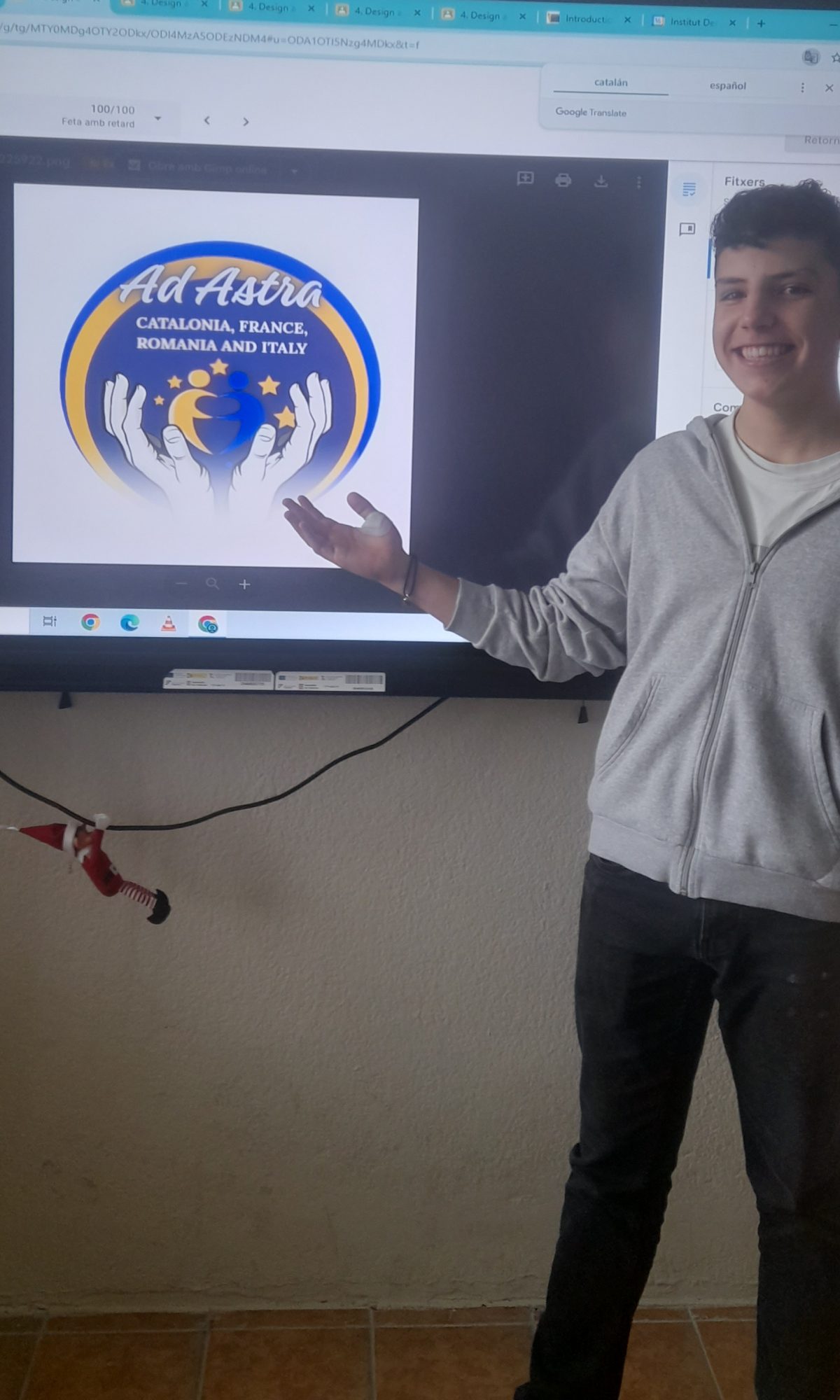
During the first part of the ceremony, the five eTwinning projects developed this year were presented: Ad AstraGrenzenlose GeschichteYoung Voices of EuropeSwitch Off to Connect More and Voices of Youth. Students involved in each project explained their objectives and the activities carried out together with partner schools across Europe before receiving their participation certificates.

The second part of the event focused on the Erasmus+ programme, which has enabled students from Institut Dertosa to take part in international mobilities in Italy, Germany, France, the Czech Republic, Portugal and Poland. Participants shared their experiences of studying abroad, living with host families and discovering new cultures, while also improving their language skills and broadening their horizons.

Throughout the ceremony, Europass certificates were awarded to students who had participated in the various group mobilities to Agrigento, Lahr, Die, Gifhorn, Hořice and Bologna, as well as to those who had taken part in long-term individual mobilities in Portugal, the Czech Republic and Poland. Recognition was also given to the students who had hosted international visitors during the academic year.

The event also included the presentation of the winning design for the Erasmus+ hoodie for the 2026–2027 school year, a competition that once again attracted a high level of student participation.

The ceremony concluded with the reading of the poem Català que connecta (“Catalan that Connects”), written by teacher Emigdi Subirats. The poem celebrates Europe’s linguistic and cultural diversity while highlighting the role of the Catalan language within international projects. With this closing message, Institut Dertosa reaffirmed its commitment to international education and to fostering an open, inclusive and culturally diverse European citizenship.

First meeting with Students – eTwinning Ad Astra Project

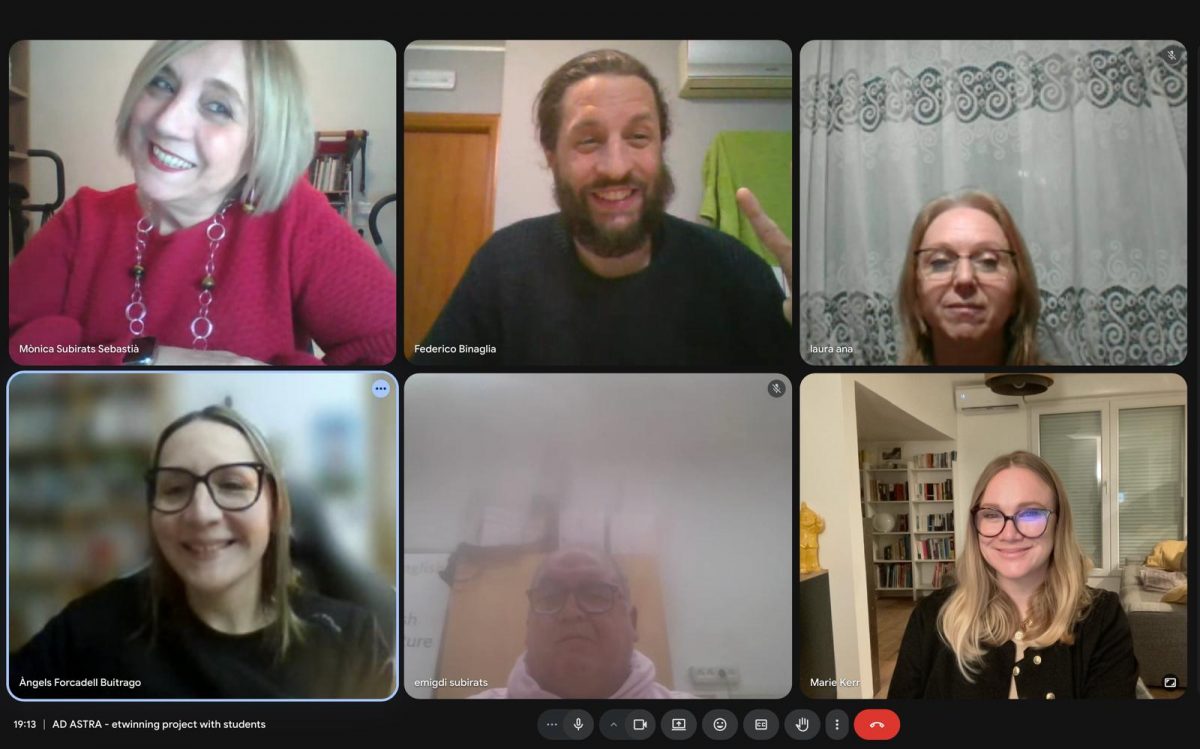
On Monday, January 26, teachers from Institut Roquetes, Institut Dertosa, and teachers from schools in France, Romania, and Italy took part in the first joint meeting with students as part of the eTwinning Ad Astra project. This meeting marked the beginning of an international collaboration aimed at promoting shared learning, reading, and critical discussion among high school students.

During the session, we held a virtual book club about the novel “The Time Machine” by H.G. Wells. Students had the opportunity to discuss their impressions and ideas about the book, share their viewpoints, and learn from each other. The discussion included topics such as time travel, social changes, and reflections on the future, all adapted to the students’ level.

At the end of the session, we conducted a quiz about the novel, which allowed students to review what they had learned and encouraged participation from everyone. This activity was highly motivating and pedagogically very enriching, as it combines reading, comprehension, discussion, and interactive activities in a collaborative digital environment.

The meeting was also an opportunity for teachers from different countries to exchange educational experiences, teaching strategies, and ideas for continuing the project throughout the year. Activities like this help develop intercultural and language skills while reinforcing students’ motivation to participate in international projects.

In summary, the first meeting of the eTwinning Ad Astra project was a success and an important step in strengthening collaboration between the participating schools and enriching students’ learning through reading and joint reflection.

Connecting Classrooms Across Europe

The schools Institut Roquetes (Roquetes, Catalonia), Institut Dertosa (Tortosa, Catalonia), Lycée Toulouse-Lautrec (Toulouse, Occitania), Liceul Tehnologic nr.1 Gâlgău (Romania), and Istituto “Cassata-Gattapone” (Gubbio, Italy) are collaborating on the European eTwinning project “Ad Astra.” This project connects students aged 16 to 18 from different European countries to explore relationships, technology, and the future world through creative and collaborative activities.


Using English as a common language, students work in international teams to share ideas, write dialogues or scripts, and create digital content such as booktuber posts, dubbed scenes, or short videos. The project encourages language learning, digital skills, and intercultural understanding, helping students communicate, cooperate, and create across borders.

Students have already:

  • Sent greetings and messages to their partner schools.

  • Exchanged New Year’s wishes with their project partners.

  • Begun reading a novel together, The Time Machine by H.G. Wells

Reading is a fundamental part of the project because it develops imagination, critical thinking, and cultural awareness. Through literature, students can reflect on human society, ethical questions, and possible futures. H.G. Wells is a key figure in science fiction, and The Time Machine is important because it explores ideas about time, social change, and the consequences of human actions, offering both a thrilling story and a thought-provoking vision of the future.

By engaging with Wells’ work, students not only practice English and reading skills but also learn to think creatively about science, society, and the world of tomorrow, connecting literature with the themes of the Ad Astra project.

Ad Astra as an eTwinning project

The schools Institut Roquetes (Roquetes, Catalonia), Institut Dertosa (Tortosa, Catalonia), Lycée Toulouse-Lautrec (Toulouse, Occitania), Liceul Tehnologic nr.1 Gâlgău (Romania), and Istituto “Cassata-Gattapone” (Gubbio, Italy) are collaborating in the European eTwinning project “Ad Astra.” This project aims to connect 16–18-year-old students from different European countries to explore the themes of relationships, technology, and the future world through creative and collaborative tasks.

Using English as the common working language, students work together in international teams to share ideas, write dialogues or scripts, and produce digital creations such as booktubers’ posts, dubbing scenes, or short videos.

The project promotes intercultural understanding, language learning, and digital collaboration, encouraging students to communicate, cooperate, and create across borders. With Ad Astra, participants look towards the future — to the stars — as they learn, connect, and innovate together.