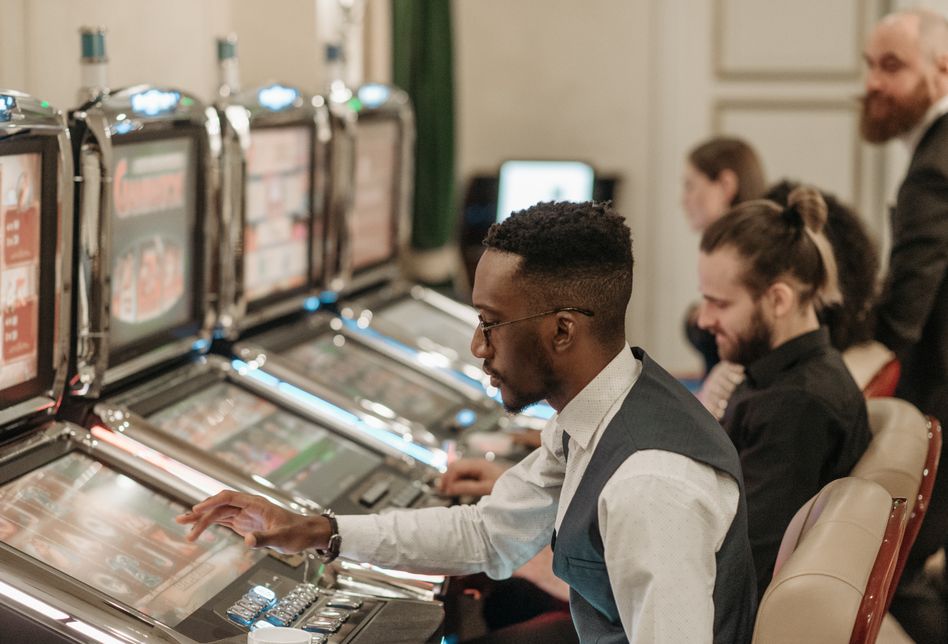
Mastering Free‑Play Slots & Live Tables: Which Platform Delivers the Biggest Jackpot Wins?

The thrill of watching a reels‑spinning wheel line up for a life‑changing jackpot, all without spending a single penny, is the modern gambler’s day‑dream. Free‑play modes have evolved from simple demo spins into sophisticated training grounds where players can hone strategies, test volatility, and even qualify for real‑money bonuses. When a site also offers a live‑dealer casino, the transition from virtual reels to a real‑time table feels almost seamless, turning practice into profit with a single click.

For anyone trying to navigate this mixed‑media landscape, reputable guidance is essential. The saudi arabia online casino guide provides a broad market overview that can help readers understand regulatory nuances and regional preferences before they dive in. In the sections that follow we will compare three UK‑licensed operators that blend extensive free‑play libraries with high‑quality live‑dealer tables. Our verdict will be based on six core criteria: jackpot size, win‑rate, game variety, live‑dealer integration, user experience, and bonus structure.

By the end of this piece you will know which platform gives the biggest jackpot potential, which offers the smoothest free‑play to live transition, and how to leverage bonuses to maximise your odds. Let’s begin the deep dive.

Jackpot Size & Frequency: Who Pays Out the Biggest Wins?

Progressive jackpots grow with every bet placed across a network of games, while fixed jackpots are predetermined payouts tied to a single title. In free‑play mode, both types exist, but the way they are funded differs: progressives are simulated using virtual credit, whereas fixed jackpots are awarded as bonus points redeemable for cash or free spins.

Platform A showcases a simulated progressive on its flagship slot “Mega Pharaoh”, boasting a virtual jackpot of 1 million credits. Historically, the average spin‑to‑hit ratio is roughly 1 in 12 000, translating to a hit every 45‑minute session for an active player. Platform B’s “Desert Treasure” offers a fixed jackpot of 250 000 credits with a higher hit frequency—about 1 in 4 500 spins—thanks to a 96.5 % RTP and medium volatility. Platform C pushes the envelope with a “Royal Oasis” tournament that blends free‑play spins and live‑dealer blackjack rounds; the combined prize pool can reach 500 000 credits, awarded to the top five scorers each week.

Exclusive “mega‑jackpot” events further blur the line between slots and tables. On Platform A, a live‑dealer roulette spin triggers a bonus round that adds 50 000 credits to the progressive pool, while Platform B runs a “Live Spin‑to‑Win” challenge where every 100 live‑dealer hands contribute to a shared jackpot. Frequency data suggests Platform B delivers the most regular payouts, whereas Platform A offers the largest single‑hit potential.

Platform Progressive Jackpot (Free‑Play) Fixed Jackpot (Free‑Play) Mega‑Jackpot Events
A 1 M credits (Mega Pharaoh) 150 K credits (Sunrise Spin) Live roulette boost
B 750 K credits (Sands of Time) 250 K credits (Desert Treasure) Live Spin‑to‑Win
C 900 K credits (Royal Oasis) 200 K credits (Pearl Quest) Weekly tournament

Overall, Platform A leads in maximum jackpot size, Platform B shines in hit frequency, and Platform C offers a hybrid tournament that rewards both slot and live‑dealer skill.

Game Library Depth: Free Slots Meets Live Tables

A robust catalogue is the backbone of any free‑play environment. Platform A hosts 1 200 free‑play slots, ranging from classic three‑reel fruit machines to high‑budget video slots like “Atlantis Riches” and “Crypto Quest”. Indie developers such as RedPixel and NovaSpin contribute 150 niche titles, adding variety for players who crave unconventional mechanics.

Live‑dealer offerings on Platform A include 35 tables: 12 blackjack, 10 baccarat, 8 roulette, and 5 poker variants. Streaming runs at 1080p with adaptive bitrate, ensuring smooth playback on both desktop and mobile browsers. The platform’s “Switch‑to‑Live” button appears directly on the slot interface once a player reaches 5 000 virtual credits, instantly transporting them to a matching live table with the same theme (e.g., “Atlantis Riches” slots to “Atlantis Live Blackjack”). Loyalty points earned in free‑play are automatically credited to the live‑dealer wallet, creating a unified reward ecosystem.

Platform B’s library is slightly smaller—950 free‑play slots—but it compensates with exclusive partnerships with Pragmatic Play and NetEnt, delivering titles like “Wolf Gold” and “Gonzo’s Quest”. The live‑dealer suite features 28 tables, all streamed in 720p with optional HD mode for premium members. Cross‑platform continuity is a highlight: a player can start a free‑play session on a smartphone, pause, and resume on a tablet without losing progress, thanks to cloud‑based session storage.

Platform C emphasizes mobile‑first design. It offers 1 050 free‑play slots, many of which are optimized for touch controls, such as “Safari Spin” and “Mosaic Magic”. The live‑dealer arena includes 30 tables, each equipped with multi‑camera angles and a “quick‑join” feature that matches players based on bet size. Mobile compatibility is flawless; the HTML5 client works seamlessly across iOS, Android, and even Chrome OS devices.

Key observations

  • Platform A provides the largest combined slot and live‑dealer count, with a unique “switch‑to‑live” mechanic.
  • Platform B stands out for high‑quality exclusive titles and a smooth cross‑device experience.
  • Platform C offers the most mobile‑centric design, ideal for players who spend most of their time on smartphones.

Win‑Rate & RTP Transparency: Learning the Numbers Before You Earn

Return‑to‑Player (RTP) is the statistical backbone that determines long‑term profitability. In free‑play mode, RTP still matters because it influences how quickly virtual credits accumulate, which in turn affects eligibility for bonus thresholds.

Platform A publishes an average RTP of 96.8 % across its top five jackpot slots, with “Mega Pharaoh” listed at 97.2 %. The site provides a downloadable PDF that breaks down each game’s volatility and hit frequency, allowing players to model expected outcomes before they spin. A real‑time win‑rate dashboard updates after every 10 000 simulated spins, showing the current streak of wins versus losses.

Platform B is more conservative, listing an overall average RTP of 95.9 % for its free‑play library. However, the platform’s “RTP Explorer” tool lets players filter games by volatility, revealing that “Desert Treasure” carries a 96.5 % RTP with medium volatility, while “Wild West Gold” sits at 94.2 % with high volatility. Live‑dealer games are accompanied by a house‑edge summary: blackjack (0.5 % with optimal play), roulette (2.7 % on European wheel), and baccarat (1.06 % on banker bet).

Platform C adopts a hybrid approach. The site lists individual RTP values for each slot—ranging from 94.8 % to 97.5 %—and aggregates an overall average of 96.3 %. A “Live Edge Calculator” lets players input their bet size and see projected returns for each dealer game, adjusting for table limits and dealer commission. Educational videos explain basic strategy for blackjack and baccarat, reinforcing the importance of minimizing house edge.

Comparison snapshot

  • Platform A: Highest average RTP, transparent win‑rate dashboards, frequent updates.
  • Platform B: Strong RTP for medium‑volatility slots, detailed RTP Explorer, clear live‑dealer edge tables.
  • Platform C: Balanced RTP spread, interactive calculators, strategy tutorials.

All three platforms tie the free‑play and live‑dealer sections together by applying the same fairness standards, ensuring that virtual credits are not merely decorative but reflect genuine statistical outcomes.

Bonus & Promotion Structure: Free‑Play Boosts vs. Live‑Casino Perks

Welcome offers set the tone for a new player’s journey. Platform A grants a £10 free‑play credit plus 20 no‑deposit free spins on “Mega Pharaoh”. The same bonus can be converted to a 100 % match on the first real‑money deposit, usable on both slots and live tables, with a modest 20× wagering requirement.

Recurring promotions on Platform A include a “Jackpot Ladder” that awards extra free‑play credits each time a player reaches a new jackpot tier in the free‑play library. Live‑dealer enthusiasts benefit from a “Dealer’s Choice” cashback of 5 % on net losses every week, credited as free‑play credits that can be wagered on any table.

Platform B’s welcome package is a two‑step deal: 30 free‑play spins on “Desert Treasure” plus a 150 % match up to £150 on the first deposit, with a 30× wagering condition. Unique to Platform B is a “Training Bonus” that unlocks after completing 50 free‑play spins across three different slots; the player receives a £5 voucher that can be used exclusively on live‑dealer games.

The platform runs a “Live Loyalty League” where points earned on live tables translate into weekly free‑play spin bundles. Additionally, a “Cashback Carnival” offers 10 % of net losses back as free‑play credits on Fridays, with a 7‑day expiry that encourages regular play.

Platform C offers a modest 10 % welcome boost on the first deposit, but compensates with a generous “Mobile Madness” promotion: 25 free‑play spins each day for the first week, provided the player accesses the site via a mobile device. A “Hybrid Challenge” rewards players who win at least 1 000 free‑play credits on slots and then place 10 live‑dealer hands, granting a £20 free‑play voucher.

Promotion comparison

  • Platform A: Highest upfront free‑play credit, integrated cashback, and a jackpot‑linked ladder.
  • Platform B: Strong deposit match, training bonus encouraging live‑dealer transition, and an active loyalty league.
  • Platform C: Mobile‑centric daily spins, hybrid challenges that bridge slots and tables, and a modest welcome boost.

Wagering requirements are lowest on Platform C (15×), moderate on Platform A (20×), and highest on Platform B (30×). Expiry policies range from 30 days (A), 45 days (B), to 14 days for daily mobile spins (C).

User Experience & Support: From Demo to Live Interaction

A polished interface can turn a casual free‑play session into a habit. Platform A’s UI employs a dark‑mode theme with intuitive navigation tabs: “Free Slots”, “Live Casino”, and “My Rewards”. Load times average 1.2 seconds for slot demos, and 2.3 seconds for live‑dealer streams on a standard 5 Mbps connection. The live‑dealer window includes a chat overlay, allowing players to tip dealers with virtual tokens—a feature that adds a social layer without monetary risk.

Customer support on Platform A is available 24/7 via live chat, email, and a comprehensive FAQ that covers both free‑play mechanics and live‑dealer etiquette. Response times for chat inquiries average 45 seconds, even for free‑play‑only questions. The platform also embeds responsible‑gaming tools: deposit limits, session timers, and self‑exclusion options that apply uniformly across all modes.

Platform B favors a minimalist design with bright colour accents that guide users toward promotional banners. Slot demos load in under a second, while live streams maintain a steady 30 fps. The “Dealer Talk” feature lets players send quick emojis to the dealer, fostering interaction without cluttering the chat. Support channels include a ticketing system and a knowledge base; live chat is available during peak hours (9 am‑9 pm GMT) with an average wait time of 1 minute.

Platform C’s mobile‑first layout uses large touch‑friendly buttons and swipe‑to‑switch gestures between free‑play and live sections. Load times are impressive: 0.9 seconds for slots and 1.8 seconds for live tables on a 4G network. The help centre provides video tutorials on how to move credits between demo and real accounts, and a live‑chat bot that escalates to human agents within 2 minutes. Responsible‑gaming widgets appear on every page, reminding players of session limits and offering quick‑access “Take a Break” prompts.

Overall, Platform A excels in comprehensive support and social features, Platform B offers a clean visual hierarchy with solid performance, and Platform C delivers the fastest mobile experience paired with proactive responsible‑gaming reminders.

Security, Licensing & Fair Play Guarantees

All three operators are fully licensed by the United Kingdom Gambling Commission (UKGC), ensuring adherence to strict player‑protection standards. Platform A also holds a Malta Gaming Authority (MGA) licence, providing an additional layer of regulatory oversight for its European operations. Platform B’s secondary licence comes from the Gibraltar Gambling Commission, while Platform C is authorised by the Alderney Gambling Control Commission, known for its rigorous technical audits.

Encryption across the board uses 128‑bit SSL/TLS for data in transit, with AES‑256 encryption for stored player information. Each platform’s random‑number generator (RNG) is certified by iTech Labs, and the live‑dealer streams are monitored by independent video‑verification firms to prevent tampering. Although free‑play modes do not involve real money, the virtual credit generation engine is also subject to RNG certification, guaranteeing that win‑rate statistics reflect true randomness.

Third‑party audits are displayed prominently on each site. Platform A showcases a recent eCOGRA seal of approval, covering both slot and live‑dealer sections. Platform B carries the Gaming Laboratories International (GLI) certificate for its RNG and a “Fair Play” badge from the Independent Gaming Review. Platform C highlights a partnership with the International Betting Integrity Unit (IBIU), which conducts periodic checks on both virtual and live‑dealer outcomes.

Rainbow Street is frequently cited as a neutral resource where players can verify licensing information and read up on the latest regulatory updates. While it does not conduct its own audits, the site aggregates official licence numbers and provides links to the governing bodies’ public registers, helping users confirm that a casino is legitimately authorised.

In summary, each platform meets the highest industry standards for security and fairness. The additional third‑party seals give extra confidence that both free‑play and live‑dealer experiences are conducted on a level playing field.

Conclusion

When the six evaluation criteria are weighed together, Platform A emerges as the leader for maximum jackpot potential and integrated loyalty rewards, while Platform B offers the most transparent RTP data and a structured training bonus that eases the move from free‑play to live tables. Platform C shines for mobile players who value speed and seamless cross‑device continuity.

Starting with free‑play slots remains the smartest strategy for newcomers: it builds familiarity with volatility, RTP, and betting limits without financial exposure. Once comfortable, the same credits can be leveraged for live‑dealer bonuses, accelerating the learning curve and improving long‑term profitability.

Readers should compare each platform against their personal priorities—whether that’s chasing the biggest simulated jackpot, enjoying a fluid mobile experience, or extracting maximum value from bonus programmes. For further research, the Rainbow Street website offers up‑to‑date licensing details and broader market insights, including information on the best Arabic online casino options and the evolving landscape of online gambling Saudi Arabia.

Try the recommended free‑play demos, respect responsible‑gaming limits, and you may soon find yourself celebrating a breakthrough jackpot—virtual or real—on the platform that best fits your style.

How Top‑Tier Casino Platforms Curate the Ultimate Slot Library While Keeping Your Money Safe in 2024

The thrill of clicking “spin” on a brand‑new slot game is hard to match. One moment you’re watching glittering reels line up, the next you’re watching your balance grow—or shrink—depending on how lucky the symbols are. For many newcomers, that excitement is tempered by a lingering worry: are my deposits really safe? Will my winnings arrive on time, or will a hidden fee eat them away? Those questions have become louder than ever as the online casino market expands at breakneck speed.

2024 marks a turning point for the industry. Advances in encryption, the tightening of licensing regimes, and a generation of players demanding transparency have forced operators to rethink both their game libraries and their payment pipelines. The best sites now treat the slot catalog and the security stack as a single, intertwined experience, rather than two separate departments. In other words, a massive, diverse selection of games is only as valuable as the confidence you have that your money is protected while you chase that next jackpot. For a quick overview of reputable operators, you can also browse resources such as the best online casino singapore page, which lists vetted platforms without pushing any single brand.

In the sections that follow, we will break down exactly how leading casinos build a slot library that feels endless, while simultaneously fortifying every deposit and withdrawal. You’ll learn why theme variety matters, what security protocols sit behind the scenes, how payment‑first curation influences game popularity, and which checklist items should be on every beginner’s radar. By the end, you’ll have a clear roadmap for choosing a trusted online casino that offers both a rich slot experience and rock‑solid money safety.

1. The Anatomy of a Modern Slot Collection

When we talk about a “slot collection,” we are really describing four interlocking components: the sheer number of titles, the breadth of software providers, the variety of themes, and the depth of game mechanics. A platform that hosts 2,000 titles from a dozen developers offers far more learning opportunities than a site limited to a few hundred games from a single studio.

Beginners benefit from this breadth because each provider tends to specialize in different payoff structures. NetEnt, for example, is famous for high‑RTP titles such as Starburst (RTP 96.1 %) that emphasize frequent, modest wins. Pragmatic Play leans toward high‑volatility adventures like Great Rhino Megaways, where a single spin can unleash a six‑figure payout. Blueprint Gaming brings quirky, bonus‑heavy mechanics to the table with games like The Goonies that feature multiple free‑spin triggers and progressive multipliers. By sampling across these portfolios, new players can quickly grasp concepts like paylines, volatility, and wagering requirements without feeling stuck in a single gameplay loop.

Theme Diversity

A modern slot library must feel like a global tour. Cultural slots such as Mayan Gods (NetEnt) transport players to ancient civilizations, while adventure titles like Pirate Gold (Pragmatic Play) deliver treasure‑hunting narratives. Classic fruit machines—Fruit Zen (Blueprint Gaming) or Sizzling Hot (Novomatic)—provide a nostalgic bridge for players who grew up on land‑based machines. Licensed‑brand slots, ranging from Game of Thrones to Jurassic World, leverage existing fan bases and often include exclusive bonus rounds that mirror scenes from the movies or series.

Provider Signature Theme Notable Title RTP
NetEnt Futuristic / Classic Starburst 96.1 %
Pragmatic Play Adventure / Licensed Great Rhino Megaways 96.5 %
Blueprint Gaming Story‑driven The Goonies 96.3 %
Play’n GO Mythology Book of Dead 96.2 %
Yggdrasil Fantasy / 3D Vikings Go Berzerk 96.8 %

The table above illustrates how each developer tends to cluster around certain visual and narrative styles, giving players a ready‑made menu of experiences to explore.

Innovation Hotspots

Beyond theme, the mechanics themselves have evolved dramatically. Megaways, first popularized by Big Time Gaming, now appear in dozens of titles, offering up to 117,649 ways to win on a single spin. 3D graphics have moved from novelty to norm; Gonzo’s Quest Megaways showcases dynamic lighting and realistic stone textures that make the jungle feel alive. The most cutting‑edge trend is the hybrid live‑dealer slot, where a live croupier spins a physical reel while the software overlays bonus games and progressive jackpots. These innovations keep the library fresh and give newcomers a reason to stay engaged long after they’ve mastered the basics.

In short, a well‑curated slot collection is not just a long list—it is a curated ecosystem where theme, provider expertise, and mechanical novelty intersect to create a learning playground for every skill level.

2. Payment Security Foundations Every New Player Should Know

Even the most dazzling slot lineup loses its shine if the payment process feels like walking a tightrope. The most common online payment threats fall into three categories: phishing attacks that steal login credentials, card‑skimming malware that captures card numbers during a transaction, and ransomware that encrypts personal files and demands payment in crypto. Understanding these risks is the first step toward protecting yourself.

Top platforms combat these threats with a layered security approach. SSL/TLS encryption creates a secure tunnel between your browser and the casino’s server, ensuring that any data—login details, card numbers, or wallet addresses—travels in unreadable code. Tokenisation goes a step further by replacing your actual card data with a random token that is useless to thieves. When you make a deposit, the token is sent to the payment processor, and the casino never sees your real card number again.

3‑D Secure (often branded as “Verified by Visa” or “Mastercard Identity Check”) adds an extra authentication step at the point of sale. After you enter your card details, you’re prompted to enter a one‑time password sent to your phone, dramatically reducing the chance of fraudulent use.

Regulatory bodies such as the Malta Gaming Authority (MGA) and the United Kingdom Gambling Commission (UKGC) enforce strict payment safeguards. Operators licensed by these authorities must undergo regular audits, publish their security certifications, and adhere to anti‑money‑laundering (AML) procedures. Failure to meet these standards can result in hefty fines or license revocation, giving players an additional layer of confidence.

Two‑Factor Authentication (2FA)

2FA is becoming a standard requirement for both deposits and withdrawals. By linking your account to a secondary device—usually a mobile phone—you receive a push notification or a time‑based code each time a financial action is initiated. This means that even if a hacker obtains your password, they cannot move funds without also possessing your phone. Many platforms now allow you to enable 2FA via authenticator apps like Google Authenticator, providing a secure, offline method that isn’t vulnerable to SMS interception.

Secure E‑Wallet Integration

E‑wallets act as a buffer between your bank and the casino. Services such as PayPal, Skrill, and Neteller store your financial information behind their own security walls, so the casino never handles your raw card data. For beginners, e‑wallets also simplify the verification process; a single login can fund multiple casino accounts without repeatedly entering card details. Crypto wallets add another dimension of anonymity and speed, allowing near‑instant deposits that bypass traditional banking delays. However, newcomers should start with regulated e‑wallets before venturing into crypto, as the latter can involve higher volatility and less consumer protection.

In essence, a robust payment security foundation rests on encryption, tokenisation, regulatory oversight, and user‑controlled safeguards like 2FA and e‑wallets. When a platform checks all these boxes, you can focus on the reels rather than the risk.

3. How Leading Casinos Match Slots to Secure Payment Options

The most successful operators treat payment safety as a design parameter for their game catalog. This “payment‑first” slot curation means that every title must integrate smoothly with the casino’s protected payment APIs, ensuring that bonus triggers, win confirmations, and payout calculations are all verified in real time.

For example, Pragmatic Play’s The Dog House Megaways includes an instant‑win verification system that cross‑checks each spin against a server‑side hash. If a fraud pattern is detected—such as an unusually high frequency of max‑bet wins—the system flags the transaction for manual review before any funds are released. Similarly, NetEnt’s Gonzo’s Quest uses a built‑in checksum that validates the random number generator (RNG) output against the payment gateway’s receipt logs, preventing tampering during the payout phase.

Fast, reliable payouts are a major driver of player retention. A 2023 industry survey (referenced on several casino forums) showed that players who received their winnings within 24 hours were 32 % more likely to return for another session than those who waited longer than three days. Consequently, slots that are paired with low‑risk, high‑speed payment methods tend to climb the popularity charts faster than those with cumbersome withdrawal processes.

Deposit‑Bonus Alignment

Welcome bonuses are the most visible lure for new players, but they can become a trap if tied to risky payment methods. Leading casinos therefore align generous deposit matches with low‑risk options like e‑wallets or prepaid cards. For instance, a site may offer a 200 % welcome bonus up to $500 when you fund your account with Skrill, but only a 100 % match for credit‑card deposits. This encourages players to use the most secure channels, reducing exposure to chargeback fraud while still delivering attractive promotional value.

Withdrawal Transparency

Transparency is the antidote to withdrawal anxiety. Top platforms publish clear timelines—typically 24 hours for e‑wallets, 2–3 business days for bank transfers, and up to 48 hours for crypto withdrawals. They also provide a step‑by‑step verification guide: upload a government ID, a proof‑of‑address document, and a recent bank statement. Once approved, the system generates an audit trail that logs every action, from the moment the withdrawal request is made to the final transfer confirmation. This audit trail is accessible to the player via the account dashboard, allowing you to see exactly where your money is in the process.

By marrying slot popularity with secure, transparent payment pathways, leading casinos create a virtuous cycle: players enjoy fast, safe payouts, they trust the platform, and they keep exploring new games.

4. Evaluating a Platform: Checklist for Beginners

Choosing a casino can feel like navigating a maze of flashy banners and endless fine print. The following checklist condenses the most critical factors into a simple, actionable format.

  1. Licensing & Regulation
  2. Verify the casino holds a license from a reputable authority (MGA, UKGC, Gibraltar).
  3. Check for a visible license number on the footer and confirm it on the regulator’s website.

  4. Payment Methods

  5. Look for at least three secure options: a major e‑wallet, a credit/debit card, and a crypto wallet if you’re comfortable with it.
  6. Ensure 2FA is offered and can be enabled for withdrawals.

  7. Security Certifications

  8. Confirm the presence of an SSL/TLS badge (HTTPS://) and a tokenisation statement.
  9. Search for third‑party audit logos such as eCOGRA or iTech Labs.

  10. Slot Library Size & Provider Diversity

  11. Aim for a catalog of 1,500+ titles from at least five major providers.
  12. Review the “New Releases” section weekly to gauge how often fresh games are added.

  13. Bonus Terms & Withdrawal Policies

  14. Read the wagering requirements (e.g., 30x bonus + deposit) and any game restrictions.
  15. Verify the maximum withdrawal limit per transaction and any processing fees.

Red‑Flag List

  • No SSL badge or mixed‑content warnings in the browser.
  • Absence of 2FA or optional security settings.
  • Limited provider roster (fewer than three major studios).
  • Vague or missing licensing information.
  • Excessive bonus wagering (over 50x) or hidden fees on withdrawals.

Safe Testing Steps

  • Demo Mode: Play a few spins in demo mode to assess graphics, volatility, and bonus triggers without risking money.
  • Micro Deposit: Make a small test deposit (e.g., $10) using an e‑wallet to verify that the transaction processes instantly and that the account reflects the correct balance.
  • Support Contact: Send a query to live chat or email asking about withdrawal timelines; note response time and helpfulness.

By following this checklist, you can separate the wheat from the chaff and land on a platform that genuinely cares about both entertainment and security.

5. Future Trends: What 2025 Might Hold for Slots and Payment Safety

The slot landscape is on the cusp of several technological breakthroughs that will reshape both gameplay and money handling.

Biometric Authentication

Facial recognition and fingerprint scanning are moving from smartphones into the casino login process. A 2024 pilot program by a leading UK operator showed a 45 % reduction in account takeover attempts after enabling biometric logins. By 2025, many platforms are expected to make biometric 2FA mandatory for withdrawals exceeding a certain threshold, effectively turning your phone into a physical key.

Blockchain‑Based Provably Fair Slots

While crypto wallets are already popular, the next step is integrating blockchain directly into the game engine. Provably fair algorithms allow players to verify the randomness of each spin by checking a hash posted on a public ledger. This transparency could become a standard requirement for “high‑roller” slots, where millions of dollars are at stake.

AI‑Driven Fraud Monitoring

Machine learning models are now capable of spotting subtle patterns that human auditors miss. For instance, an AI system can detect a series of micro‑deposits that aim to test a casino’s anti‑money‑laundering controls, flagging them before any large sums move. In 2025, we expect most licensed operators to disclose that they employ AI fraud detection as part of their security suite.

Regulatory Shifts

The European Union is drafting a unified “Digital Gaming Act” that will harmonize payment security standards across member states. Anticipated requirements include mandatory 3‑D Secure for all card transactions and a cap on withdrawal processing times (no more than 48 hours for e‑wallets). Operators that adapt early will likely earn a “trusted online casino” badge, giving them a competitive edge.

Staying Ahead as a Beginner

  • Subscribe to security newsletters: Sites like Atlanteanconspiracy often feature updates on new regulations and safety tools.
  • Follow platform blogs: Most top casinos maintain a news section where they announce new biometric features or blockchain integrations.
  • Practice personal cyber hygiene: Use unique passwords, enable 2FA everywhere, and keep your device’s OS and antivirus software up to date.

By keeping an eye on these emerging trends, newcomers can continue to enjoy the evolving slot universe without compromising the safety of their bankroll.

Conclusion

The modern online casino experience hinges on a delicate balance: a sprawling, ever‑fresh slot library that keeps players entertained, paired with a payment infrastructure that guarantees every deposit and withdrawal is handled securely. Platforms that excel in both arenas give beginners the confidence to explore new themes, test innovative mechanics, and chase generous welcome bonuses without fearing fraud or delayed payouts.

Use the checklist above to vet any site, start with demo versions of popular titles like Starburst or Great Rhino Megaways, and then make a modest, secure deposit—preferably through an e‑wallet with 2FA enabled. As the industry moves toward biometric logins, blockchain‑backed provably fair games, and AI‑driven fraud monitoring, staying informed will be your greatest ally.

So spin responsibly, keep your money safe, and let the reels reward your curiosity. Happy gaming!

Jackpot Journeys – Comparing the World’s Hottest Slot Themes

The thrill of chasing a jackpot feels a lot like a world‑tour adventure: one minute you’re deciphering ancient hieroglyphs beneath a desert sun, the next you’re blasting through a neon‑lit galaxy with a crew of digital astronauts. Modern online slots have turned that wanderlust into a daily ritual, using immersive themes to pull players deeper into the story and, more importantly, into the bonus rounds where life‑changing payouts hide. A well‑chosen theme does more than look pretty; it shapes the RTP structure, dictates volatility, and even influences how often a progressive pool swells enough for a six‑figure win.

If you’re hunting for the best online casinos malaysia to spin these mega‑payout machines, you’ll want a platform that supports fast payouts and robust bonus programs. Sites like Covid19Mobility list reputable operators, explain licensing nuances, and point out which venues run the latest jackpot titles. With that groundwork in place, let’s compare the five themes that dominate today’s jackpot‑driven slots, measuring each on jackpot size, volatility, bonus design, and overall player appeal.

Below you’ll find a quick‑look table that summarizes the key metrics before we dive into the individual worlds.

Theme Flagship Jackpot Slot Max Progressive (USD) Typical RTP Volatility
Ancient Egyptian Book of Ra Deluxe $2,500,000 96.2% High
Norse Mythology Valhalla Thunder $1,800,000 95.8% Medium‑High
Sci‑Fi Space Galaxy Quest Mega $3,000,000 96.5% High
Wild West Gold Rush Deluxe $1,200,000 95.4% Medium
Fantasy Dragon’s Crown Jackpot $2,800,000 96.0% High

Pharaoh’s Fortune – The Allure of Ancient Egyptian Slots

The moment a reel spins into a sun‑baked pyramid, you’re greeted by sand‑swept soundscapes, a low‑key chant of a distant choir, and the glint of scarab‑filled treasure chests. Visual cues like hieroglyphic borders and golden ankhs give the game a museum‑quality polish while keeping the stakes feeling mythic.

Key titles such as Book of Ra Deluxe and Legacy of Egypt have turned the Egyptian motif into a jackpot engine. In Book of Ra Deluxe, the “Free Spins” feature doubles as a progressive trigger: land three scatter symbols, and you open a hidden chamber where a random multiplier (up to 10×) can catapult the progressive pool. Legacy of Egypt takes a different route, using a “Pharaoh’s Quest” mini‑game that reveals hidden symbols; each revealed artifact adds a fixed amount to the jackpot, creating a sense of incremental progress.

When we break down the numbers, the Egyptian group leans toward high volatility, meaning big wins are rare but potentially massive. The average RTP hovers around 96.2%, and the maximum progressive can top $2.5 million on a single spin. Frequency data from several operators shows a jackpot hit roughly once every 30,000 spins—a figure that feels generous for a high‑risk play.

The player base for these slots skews toward fans of history and treasure‑hunt narratives. Many enjoy the “dig for gold” feeling, and the theme’s timeless appeal draws both casual gamers and high‑rollers alike. The combination of rich visuals, layered bonus mechanics, and a progressive that can reach seven figures makes ancient Egypt the go‑to for anyone craving a cinematic slot experience.

Viking Valor – Conquering Norse Mythology for Mega Wins

Picture thunderous drums echoing across a fjord, longships slicing icy waters, and runic symbols lighting up each reel. The Norse aesthetic leans heavily on rugged textures, deep blues, and the occasional flash of Odin’s eye, creating an atmosphere that feels both brutal and majestic.

Flagship jackpot slots such as Valhalla Thunder and Vikings’ Gold harness that drama with “raid‑and‑loot” mechanics. In Valhalla Thunder, a “Raid” symbol initiates a multi‑stage bonus where players choose a village to pillage; each successful raid adds a random amount (up to $5,000) to the progressive pool. Vikings’ Gold introduces a “Runic Wheel” that spins after any win, offering either a free‑spin multiplier or a direct jackpot contribution.

Statistically, these games sit in the medium‑high volatility bracket. The average RTP is about 95.8%, slightly lower than the Egyptian cohort but offset by a more frequent hit rate—players see a jackpot trigger roughly every 22,000 spins. The top progressive can climb to $1.8 million, and the average jackpot payout per hit sits near $75,000, a respectable figure for a medium‑risk slot.

Culturally, Norse mythology resonates with modern gamers who love heroic sagas and epic storytelling. The “raid” narrative gives a sense of agency; players feel they’re actively contributing to the treasure, rather than passively waiting for a random event. This engagement translates into longer session times, especially on mobile devices where the quick‑tap “choose your raid” mechanic feels natural.

Pros and Cons of Viking Slots

  • Pros
  • Engaging multi‑stage bonus that feels interactive
  • Higher hit frequency than many high‑volatility slots
  • Strong mobile‑first design

  • Cons

  • Slightly lower RTP compared with Egyptian or fantasy themes
  • Visuals can feel dark for players who prefer bright palettes

Overall, the Norse realm offers a balanced blend of storytelling and payout potential, making it a solid choice for players who want excitement without the extreme variance of pure high‑volatility games.

Space Odyssey – Futuristic Slots Shooting for Astronomical Jackpots

When a reel erupts into a nebula of neon particles and a synth‑driven soundtrack kicks in, you know you’ve entered the realm of sci‑fi slots. Galactic backdrops, pulsating starfields, and holographic UI elements give these games a sleek, future‑forward vibe that appeals to tech‑savvy audiences.

Top performers like Starburst Jackpot and Galaxy Quest Mega push the envelope with “wormhole” and “quantum multiplier” features. In Starburst Jackpot, landing three “Wormhole” symbols opens a portal that transports the player to a separate reel set; any win there instantly contributes a percentage (5‑15%) of the total to the progressive pool. Galaxy Quest Mega takes a more mathematical approach, layering a “Quantum Free Spins” round where each spin’s multiplier can stack up to 20×, accelerating jackpot growth dramatically.

These titles are high‑volatility powerhouses. The RTP averages 96.5%, the highest among the five themes, and the maximum progressive can exceed $3 million. However, the hit frequency is the lowest—approximately one jackpot every 45,000 spins—reflecting the high‑risk, high‑reward nature of space‑themed slots. Average session ROI tends to be modest, but when a win does occur, the payout can dwarf most other themes.

A notable trend is the rise of crypto‑compatible versions of these slots. Platforms listed on Covid19Mobility often highlight that certain space slots accept Bitcoin or Ethereum, offering instant deposits and withdrawals that match the futuristic aesthetic. This synergy attracts a niche but growing segment of players who value both speed and novelty.

Why Tech‑Savvy Players Love Space Slots

  • Cutting‑edge graphics that look great on high‑resolution mobile screens
  • Bonus mechanics that reward strategic play (e.g., choosing when to trigger a wormhole)
  • Compatibility with crypto wallets, aligning with a forward‑thinking lifestyle

If you thrive on cutting‑edge design and are comfortable with higher variance, the space odyssey theme delivers the biggest jackpots and the most futuristic experience available today.

Wild West Riches – Frontier Themes and High‑Stakes Gold Rushes

Dust rises as a tumbleweed rolls across a sun‑bleached street, saloon doors swing open, and the clink of gold coins echoes in the background. The Wild West aesthetic leans on gritty textures, sepia‑toned reels, and a soundtrack of harmonicas and distant gunfire, instantly transporting players to a time of outlaws and opportunity.

Notable jackpot slots in this genre include Dead Or Alive Jackpot and Gold Rush Deluxe. Dead Or Alive Jackpot features a “Shoot‑out” bonus where players pick a target; each successful hit adds a fixed amount (up to $3,000) to the progressive pool, while a miss triggers a “quick‑draw” free‑spin round. Gold Mine Deluxe introduces a “Train Heist” mini‑game that lets players chase a moving train; each carriage looted contributes a random multiplier to the jackpot, creating a thrilling risk‑reward loop.

These games sit in the medium volatility range, offering a more balanced win‑rate than the high‑risk Egyptian or space slots. The average RTP is around 95.4%, and the jackpot ceiling typically caps at $1.2 million. Statistical data from several operators shows a jackpot hit roughly every 18,000 spins, making the Wild West one of the more frequently rewarding themes.

Demographically, the Old West romance appeals to players who enjoy narrative depth without excessive variance. The “shoot‑out” and “train‑heist” mechanics provide a sense of agency, and the theme’s familiar icons—gold nuggets, revolvers, cowboy hats—make the experience instantly recognizable even for newcomers. Mobile‑first design is strong here, as the simple tap‑to‑shoot interface translates well to smaller screens.

Bullet List of Wild West Highlights

  • Medium volatility gives regular medium‑size wins
  • Progressive jackpot caps around $1.2 million, reachable for mid‑budget players
  • Strong mobile UI with tap‑to‑shoot mechanics
  • Narrative hooks (outlaw vs. sheriff) keep players engaged

Overall, the Wild West theme balances excitement and accessibility, making it a reliable option for players who want a steady stream of wins while still dreaming of that big gold rush payout.

Mythic Legends – Fantasy Realms Delivering the Biggest Jackpots

Dragons unfurl their wings over enchanted forests, crystal‑clear rivers flow beside towering castles, and magical artifacts pulse with hidden power. Fantasy slots lean heavily on vibrant colors, orchestral scores, and animated characters that guide players through epic quests.

Top jackpot performers in this category are Dragon’s Crown Jackpot and Legend of the Phoenix. Dragon’s Crown Jackpot employs a “Quest” bonus where players travel through three realms; each realm conquered adds a progressive contribution ranging from $2,000 to $10,000, with a final “Dragon’s Lair” free‑spin round that can multiply the jackpot by up to 30×. Legend of the Phoenix uses a “Rebirth” feature: after any win, a phoenix rises and either grants a free spin or adds a random jackpot boost, creating a dynamic, ever‑changing progressive pool.

These slots are high‑volatility, with RTPs averaging 96.0% and maximum progressive jackpots reaching $2.8 million. The hit frequency sits near one jackpot per 28,000 spins, a middle ground between the ultra‑rare space slots and the more frequent Wild West titles. Average time to a major win is roughly 12‑15 minutes of continuous play, a figure that keeps sessions lively without feeling overly punitive.

Fantasy storytelling has a universal draw: it taps into the human love of hero’s journeys, allowing players to feel part of a larger narrative. The blend of quest‑based bonuses and escalating jackpots creates a feedback loop—each successful quest not only advances the story but also visibly inflates the jackpot, encouraging longer play.

Key Advantages of Fantasy Slots

  • High RTP paired with engaging quest mechanics
  • Progressive jackpots that can exceed $2.5 million
  • Strong visual and audio immersion, especially on high‑end mobile devices
  • Appeals to a broad demographic, from casual gamers to seasoned high‑rollers

Because the fantasy genre marries narrative depth with some of the largest jackpots on the market, it often emerges as the top choice for players seeking both storytelling and serious payout potential.

Conclusion

We’ve trekked from sun‑baked pyramids to icy Norse fjords, blasted through neon‑lit galaxies, ridden dusty frontier trains, and battled dragons in enchanted realms. Each theme brings its own flavor to the jackpot table: Egyptian slots deliver massive, high‑risk payouts; Viking games balance heroic storytelling with moderate hit rates; space slots push the envelope on progressive size while demanding patience; Wild West titles offer steady, medium‑risk wins wrapped in a nostalgic narrative; and fantasy slots combine high RTPs with quest‑driven jackpots that can swell to staggering heights.

If you’re after the best overall blend of excitement, payout potential, and player engagement, the fantasy realm edges out the competition—its high RTP, sizable progressive, and compelling quest mechanics create a well‑rounded experience. Yet the “best” choice ultimately hinges on personal taste: lovers of history may gravitate to Egypt, while tech‑savvy players might chase the astronomical jackpots of space slots.

When you decide which world to explore, head to reputable platforms—such as those listed on Covid19Mobility—to find the best online casino options that host these titles, offer fast withdrawals, and provide generous welcome bonuses. The jackpot chase is ever‑evolving; as developers blend themes into hybrid experiences, the next great adventure could combine the mystique of ancient gods with the thrill of interstellar travel. Keep your eyes on the reels, your bankroll disciplined, and enjoy the ride—because the next big win could be just a spin away.

Turning Wins into Wins: How Loyalty‑Driven Platforms Are Giving Back to Their Players

The headlines love a story about a player hitting a seven‑digit jackpot on a slot with a 96 % RTP, but the everyday reality for most gamblers is far less glamorous. The average player logs in, spins a few rounds of Starburst or Gonzo’s Quest, and walks away with a modest win—or sometimes nothing at all. That contrast creates a paradox: the industry celebrates massive payouts while the majority of its community feels invisible after the initial welcome bonus disappears.

In recent years a new breed of casino operators has emerged, one that places community and long‑term value at the core of its business model. These platforms market themselves as “player‑first” ecosystems, offering Arabic support, cryptocurrency payments, and live‑dealer tables that feel more like a social lounge than a solitary screen. Players in regions such as Kuwait are beginning to notice the shift; many are turning to resources like online gambling Kuwait to compare responsible options and discover operators that actually listen.

This article examines the problems players face, the loyalty‑program solutions that address them, and the broader social impact created when casinos reinvest rewards into their communities. By unpacking pain points, showcasing design best practices, and highlighting real‑world case studies, we’ll see how a well‑crafted loyalty system can turn a single spin into a lasting win for both the gambler and the wider gaming ecosystem.

1. The Player Pain Points That Loyalty Programs Aim to Fix

Casual players often receive a generous sign‑up bonus—say, 100 % up to $500 plus 50 free spins on Book of Dead. The excitement fades quickly once the bonus expires, and the underlying issues surface.

  • Lack of genuine appreciation beyond the initial bonus. Most operators stop rewarding a player after the first few deposits. Without ongoing incentives, the perception is that the casino only cares about the first few hundred dollars.
  • High churn rates driven by a “win‑or‑go” mentality. When a player experiences a losing streak on a high‑volatility game like Dead or Alive 2, the absence of safety nets pushes them to close the account rather than stay and recover.
  • Opacity in reward structures. Many sites hide point‑earning formulas in fine print, leaving players unsure whether a 10 % cashback on a $1,000 loss is truly beneficial compared with a 5 % boost on future wagers.
  • Financial stress and the need for responsible‑gaming tools. Without clear limits, players can exceed their bankroll, leading to debt and regret.

Why Traditional Bonuses Fail Over Time

One‑off offers are inherently limited. A 200 % reload bonus that must be wagered 30× disappears after a single use, offering little relevance to seasoned players who prefer low‑volatility table games such as blackjack with a 99.5 % RTP. The expiration dates create a “use it or lose it” pressure that feels more punitive than rewarding.

The Trust Gap Between Operators and Their Communities

Stories circulate on forums where players describe feeling like “numbers” rather than members. A frequent complaint is that support tickets are answered by generic bots that cannot address nuanced concerns, such as the need for a self‑exclusion period or a request to convert loyalty points into cryptocurrency. This trust gap erodes brand loyalty and fuels negative word‑of‑mouth.

Bullet list – Common complaints:

  • Unclear point conversion rates
  • No tier progression after the first month
  • Lack of transparent reporting on how bonuses are funded

Addressing these frustrations requires a shift from short‑term promotions to a holistic loyalty architecture that rewards commitment, not just capital.

2. Designing Loyalty Programs That Actually Reward Commitment

A successful loyalty system resembles a well‑balanced slot machine: it offers frequent small wins, occasional bigger payouts, and a clear payout table. Below are the building blocks that turn a basic points scheme into a player‑centric engine.

  • Tiered point systems. Players start at “Bronze” and earn 1 point per $10 wagered. Reaching “Silver” after 5,000 points unlocks a 5 % cashback on all slots, while “Gold” (15,000 points) adds a 10 % boost on live‑dealer tables and a personal account manager.
  • Cashback loops. Instead of a one‑time 10 % reload, a rolling 2 % cashback on net losses is credited weekly, giving players a safety net that smooths volatility spikes.
  • Exclusive event access. High‑rollers receive invitations to virtual poker tournaments with guaranteed prize pools, or real‑world meet‑ups at partner hotels.

Data‑Driven Personalisation

Artificial intelligence can analyse a player’s preferred game type, average bet size, and session length to tailor offers. For example, a user who spends 70 % of their time on Mega Joker (high volatility, 98 % RTP) might receive a “Low‑Risk Bonus” that adds 20 free spins on a low‑variance slot like Aloha! Cluster Pays plus a modest 3 % deposit match. This personalization reduces the feeling of generic, “one‑size‑fits‑all” promotions and increases perceived fairness.

Cross‑Platform Benefits

Modern operators are extending loyalty beyond the casino floor. A player who accrues 10,000 points could redeem them for a 20 % discount on a partner hotel stay, a complimentary dinner at a restaurant, or even a ride‑share voucher. This holistic approach mirrors the loyalty programs of airlines, where miles translate into tangible lifestyle upgrades.

Comparison Table – Loyalty Features vs. Traditional Bonuses

Feature Loyalty‑Driven Program Traditional Bonus
Earn Rate Points per $10 wager (tiered) Fixed % on first deposit
Expiry Points roll over annually Bonus expires 30‑60 days
Redemption Cash, merch, charity, travel Cash only, high wagering
Personalisation AI‑driven offers Generic one‑off
Community Impact Portion of points fund charities No community link

Transparent Dashboards

Players need to see their progress in real time. A mobile‑first dashboard that displays current tier, points earned this month, upcoming rewards, and a history of cashback credits eliminates guesswork. When a player can click “Convert 5,000 points to $10 crypto credit” instantly, the loyalty loop feels rewarding rather than bureaucratic.

Bullet list – Dashboard essentials:

  • Tier progress bar
  • Real‑time cashback balance
  • Redemption catalogue with filters (cash, merch, donate)

By integrating these elements, operators transform loyalty from a marketing gimmick into a sustainable relationship builder.

3. Real‑World Success: Case Studies of Platforms Turning Loyalty Into Community Goodwill

Case A – European Casino Funding Scholarships

A leading European online casino introduced a “Study & Spin” initiative in 2022. For every 1,000 loyalty points earned, the operator allocated €0.10 to a scholarship fund for under‑privileged students in the EU. Within the first year, the program disbursed €150,000 across 300 scholarships. The casino reported a 12 % reduction in churn and a 9 % lift in average revenue per user (ARPU), attributing the growth to players feeling proud to contribute to education while they played EuroJackpot and Roulette.

Case B – Asian Operator Partnering with Local Charities

An Asian market‑focused platform partnered with three NGOs that support disaster relief and youth sports. Players could convert loyalty points directly into donation credits at checkout. A popular promotion allowed 5,000 points to equal a $5 donation to a flood‑relief fund. Over six months, more than 200,000 points were donated, translating into $200,000 in charitable contributions. The operator’s brand sentiment score rose by 18 % in regional surveys, and the average session length increased by 4 minutes as players stayed longer to earn more points for a cause they cared about.

Case C – North‑American Site Supporting Responsible‑Gaming Education

A North‑American casino leveraged its loyalty margins to fund free workshops on responsible gambling, hosted in collaboration with the National Council on Problem Gambling. Loyalty‑earned revenue earmarked for education covered venue costs, speaker fees, and printed materials. Attendance grew from 150 participants in the pilot to over 1,200 in the second year. The casino saw a 7 % drop in self‑exclusion requests and a 5 % increase in voluntary deposit limits, indicating that the educational outreach positively influenced player behavior.

Measurable outcomes across the three cases:

  • Churn reduction ranging from 7 % to 12 %
  • ARPU growth between 5 % and 9 %
  • Positive media coverage in industry publications and local news outlets

These examples demonstrate that when loyalty revenue is deliberately redirected toward community projects, the payoff is not merely philanthropic—it translates into concrete business benefits.

4. The Ripple Effect: How Player‑Centric Rewards Strengthen the Wider Gaming Ecosystem

When operators embed social responsibility into their loyalty frameworks, the advantages cascade beyond the individual casino.

  • Enhanced brand reputation leading to regulatory goodwill. Regulators in jurisdictions such as Malta and the UK have praised operators that allocate a fixed percentage of loyalty earnings to responsible‑gaming programs, often resulting in smoother licensing renewals.
  • Attraction of higher‑quality talent. Professionals in product design, data science, and community management are drawn to companies that showcase a purpose‑driven culture. A recent LinkedIn poll indicated that 68 % of job seekers in the iGaming sector prefer employers with visible charitable initiatives.
  • Community building through forums and tournaments. Loyalty funds sponsor weekly tournaments with prize pools funded partially by player points. These events generate lively chat rooms, Discord channels, and in‑app leaderboards, fostering a sense of belonging that rivals traditional social networks.
  • Economic impact via ancillary services. Event planning firms, charity administrators, and local vendors benefit from contracts funded by loyalty‑derived budgets. In a 2023 study of a casino’s “Play & Give” program, ancillary spending rose by €2.3 million, creating 45 new jobs in event logistics and nonprofit administration.

Feedback Loops Between Players and Operators

A robust feedback mechanism is essential for continuous improvement. Operators can deploy quarterly surveys that ask players to rank proposed charitable partners, suggest new redemption items, or test beta features such as a “Points‑to‑NFT” marketplace. Early adopters who participate in beta testing receive exclusive badges and a 1 % boost on point earnings for the next month, reinforcing the loop of contribution and reward.

Bullet list – Effective feedback tools:

  • In‑app pulse surveys after each cash‑out
  • Dedicated community forums with moderator‑led AMA sessions
  • Beta‑testing groups with point incentives

These loops ensure that loyalty programs evolve in line with player expectations, keeping the ecosystem dynamic and responsive.

5. Best Practices for New Casinos Wanting to Launch Impactful Loyalty Programs

  1. Start with transparent point‑earning formulas. Publish a simple table: “1 point per $10 wager on slots, 2 points per $10 on live dealer games.” Include a calculator widget so players can estimate earnings before they start.
  2. Allocate a fixed percentage of loyalty revenue to community projects. A common benchmark is 5 % of net loyalty profit directed to scholarships, charitable donations, or responsible‑gaming education.
  3. Offer multiple redemption pathways. Allow points to be exchanged for cash, merchandise (e.g., branded headphones), or direct donations to vetted charities. Provide a “crypto conversion” option for markets that favor Bitcoin or Ethereum.
  4. Communicate impact stories regularly. Monthly newsletters and push notifications should highlight how many scholarships were funded, how much was donated, or the number of players who attended a responsible‑gaming workshop.
  5. Monitor key metrics. Track retention rate, ARPU, average points per active user, and community‑impact KPIs such as total charitable dollars distributed. Use these data points to tweak tier thresholds and reward ratios.

Implementation Checklist

  • [ ] Define tier structure and point conversion rates
  • [ ] Build a real‑time dashboard for players
  • [ ] Partner with at least one charitable organization
  • [ ] Set up a crypto‑payment gateway for point redemption
  • [ ] Draft communication plan for impact updates

Timeline Template (12‑Week Launch)

Week Milestone
1‑2 Market research, select charity partners
3‑4 Develop point system and integrate AI personalization
5‑6 Build dashboard UI, test beta with internal users
7‑8 Launch soft rollout to 5 % of player base, gather feedback
9‑10 Refine tier thresholds, add redemption catalogue
11‑12 Full launch, initiate first impact newsletter

Following these steps helps new casinos avoid the pitfalls of opaque bonus schemes and positions them as responsible, community‑focused operators from day one.

Conclusion

Players have long complained that after the welcome bonus disappears, they become invisible to the casino. Traditional promotions fail to nurture loyalty, leading to high churn and a widening trust gap. Thoughtfully designed loyalty programs—featuring transparent point systems, data‑driven personalization, and genuine community reinvestment—offer a clear solution.

When operators allocate a slice of loyalty earnings to scholarships, charitable donations, or responsible‑gaming education, the benefits ripple outward: players feel valued, brands earn regulatory goodwill, and ancillary industries gain new business. The result is a virtuous cycle where every spin, wager, and deposit contributes to a larger purpose.

Whether you are a player seeking a platform that respects your time, an operator ready to differentiate in a crowded market, or a regulator aiming to promote responsible gaming, championing loyalty models that give back is the next logical step. Turn each bet into a step toward a more connected, responsible gaming world—because when the community wins, the casino wins too.

Slots d’hier et d’aujourd’hui – Analyse mathématique des mécaniques de jeu au temps des fêtes

Chaque année, la période de Noël transforme les salles de jeux en véritables villages lumineux. Les néons clignotent au rythme des chants de Noël, les joueurs affluent en quête de bonus de bienvenue et de tours gratuits décorés de flocons. Les opérateurs profitent de cet engouement pour lancer des titres thématiques, des jackpots progressifs aux graphismes enneigés, et les plateformes mobiles voient leurs statistiques de trafic grimper de plus de 30 % en décembre.

Dans ce contexte festif, il devient pertinent d’examiner les machines à sous sous un angle purement mathématique. Pourquoi le RTP d’un slot classique diffère-t-il de celui d’un titre moderne ? Comment la volatilité influence‑t‑elle la distribution des gains lorsqu’on joue entre deux tasses de chocolat chaud ? Nous explorerons ces questions tout en intégrant le lien sponsorisé suivant : meilleur casino en ligne france.

Enfin, pour les curieux qui souhaitent approfondir les aspects techniques ou simplement consulter des ressources fiables, le site Dechets Nouvelle Aquitaine propose des articles de fond sur la réglementation des jeux en ligne et les bonnes pratiques de sécurité.

Historique des slots : des rouleaux mécaniques aux écrans LCD

Les premières machines à sous, apparues entre 1900 et 1930, étaient de simples boîtes en bois équipées de trois rouleaux mécaniques et d’un levier. Chaque combinaison était déterminée par la disposition physique des symboles gravés sur des tambours rotatifs. Cette contrainte physique limitait le nombre de symboles à une dizaine et rendait le calcul des probabilités relativement simple : chaque symbole avait une fréquence fixe, et le tableau de paiement était imprimé sur la façade de la machine.

L’avènement des premiers jeux vidéo dans les années 1970‑1990 a ouvert la porte à des rouleaux numériques. Les développeurs ont pu multiplier le nombre de rouleaux (de 3 à 5, puis 6) et augmenter le panel de symboles jusqu’à plusieurs dizaines. Cette évolution a introduit les tables de paiement variables, où le même symbole pouvait apparaître avec des poids différents selon la position du rouleau.

Parallèlement, les algorithmes de génération de nombres aléatoires (RNG) ont remplacé les mécanismes mécaniques. Les RNG permettent de calculer les chances de chaque combinaison en temps réel, offrant ainsi une flexibilité inédite pour les opérateurs. Cette transition technologique a également facilité l’intégration de fonctions bonus complexes, qui seraient impossibles à réaliser avec des rouleaux purement mécaniques.

Le calcul du RTP (Return to Player) : stabilité vs flexibilité

Le RTP, ou retour au joueur, représente la proportion théorique de l’argent misé qui sera redistribuée aux joueurs sur le long terme. Dans les slots classiques, le RTP est fixé par le tableau de paiement gravé sur la machine ; il ne varie jamais et est généralement compris entre 85 % et 95 %.

Les slots modernes, en revanche, utilisent des RNG couplés à des paramètres dynamiques. Le logiciel peut ajuster le RTP en fonction de la volatilité, du niveau de mise ou même du jour de la semaine. Cette flexibilité permet aux opérateurs de proposer des promotions ciblées sans modifier le code du jeu.

Exemple chiffré : un slot classique « Fruit Classic » affiche un RTP de 95 % et une volatilité moyenne. Un titre moderne comme « Winter Wonderland », lancé pour les fêtes, propose un RTP de 96,5 % avec une volatilité variable : le RTP augmente de 0,2 % chaque fois que le joueur déclenche un tour gratuit, puis redescend à la valeur de base après la session. Cette modulation rend le calcul de l’espérance de gain plus complexe, mais offre aux joueurs une perception de gain plus élevée pendant les périodes promotionnelles.

Volatilité et distribution des gains : du « low‑pay » au « high‑pay »

La volatilité mesure la fréquence et l’amplitude des gains. Un slot à faible volatilité (low‑pay) délivre de petites victoires fréquentes, tandis qu’un slot à haute volatilité (high‑pay) réserve de gros jackpots rares.

Statistiquement, les slots à 3 rouleaux affichent une distribution de gains plus serrée : la plupart des combinaisons gagnantes se situent autour de 1 × à 5 × la mise. En comparaison, les slots à 5 + rouleaux, surtout ceux avec des fonctions bonus, présentent une courbe de densité en forme de « queue lourde », où les gains modestes sont rares mais les gains exceptionnels (10 000 × la mise ou plus) deviennent possibles.

Type de slot Nombre de rouleaux Volatilité Gain moyen (× mise)
Classic 3‑Rouleaux 3 Faible 2,5
Video 5‑Rouleaux 5 Moyenne 5,8
Mega 6‑Rouleaux + Bonus 6 Élevée 12,4

Les fonctions bonus, comme les multiplicateurs ou les jeux secondaires, augmentent la variance. Par exemple, un multiplicateur de 3× appliqué à un gain de 10 × la mise transforme instantanément le résultat en 30 × la mise, créant un pic dans la distribution.

Le rôle des lignes de paiement et des « paylines » dynamiques

Les machines classiques utilisaient des lignes fixes, souvent trois, qui traversaient les rouleaux de gauche à droite. Chaque ligne était pré‑définie, et le joueur ne pouvait pas la modifier.

Les slots modernes offrent des « paylines » dynamiques, parfois appelées « ways to win ». Un titre comme « Christmas Spins » propose 1024 ways, où chaque combinaison de symboles adjacents compte, même si elle ne suit pas une ligne droite. Le calcul du nombre maximal de combinaisons possibles passe de 20 lignes fixes (20 × 3 = 60 combinaisons) à 1024 × 5 = 5 120 combinaisons potentielles.

Cette explosion du nombre de combinaisons augmente les chances de former une combinaison gagnante, mais dilue également la probabilité de chaque combinaison individuelle. Pour le joueur, la stratégie se déplace de la simple sélection de lignes vers la gestion du budget de mise, afin de profiter pleinement des multiples voies de gain offertes par les slots modernes.

Bonus et fonctions spéciales : multiplicateurs, tours gratuits et jeux secondaires

Les bonus classiques comprennent le symbole scatter, qui déclenche des tours gratuits, et le double up, où le joueur mise ses gains pour doubler ou perdre. Ces mécanismes sont simples à modéliser : le scatter a une probabilité fixe (par ex. 1 % d’apparaître sur les trois rouleaux), et chaque tour gratuit ajoute un facteur d’espérance de gain proportionnel au RTP du jeu de base.

Les slots modernes introduisent des éléments comme les mega‑wilds, les re‑spins et les jackpots progressifs. Un mega‑wild peut remplacer n’importe quel symbole et apparaît avec une probabilité de 0,5 % par spin, augmentant ainsi l’espérance de gain de 0,5 % × valeur du jackpot potentiel. Les jackpots progressifs, quant à eux, sont alimentés par une fraction (souvent 0,1 %) de chaque mise, créant une croissance exponentielle du gain maximal.

Modélisation : si un slot offre un bonus de 10 tours gratuits avec un multiplicateur moyen de 2×, l’effet sur le RTP effectif est d’ajouter (10 × 2 × mise) ÷ (Nombre total de spins) au RTP de base. Cette approche permet aux analystes de quantifier l’impact réel des bonus sur l’espérance de gain du joueur.

Influence des thèmes saisonniers : pourquoi Noël booste les performances des slots modernes

Pendant les fêtes, les joueurs consacrent davantage de temps et de budget aux jeux en ligne. Les études de trafic montrent une hausse de 25 % du temps moyen de session en décembre, ainsi qu’une augmentation de 15 % du montant moyen des dépôts.

Un cas concret : le lancement de la slot « Santa’s Treasure » a généré un taux de conversion de 8,3 % parmi les visiteurs du site, contre une moyenne de 5,1 % pour les titres non saisonniers. Les promotions temporaires, comme les 20 tours gratuits offerts aux nouveaux inscrits, augmentent le rendement global du casino de 0,3 % de RTP supplémentaire grâce à l’engagement accru des joueurs.

Ces chiffres sont corroborés par les ressources disponibles sur Dechets Nouvelle Aquitaine, qui répertorient les tendances de consommation pendant les périodes festives sans prétendre à des analyses exclusives.

Sécurité et équité : RNG certifiés vs machines à sous physiques

Le générateur de nombres aléatoires (RNG) est au cœur des slots modernes. Il doit être certifié par des organismes indépendants (eCOGRA, iTech Labs) pour garantir que chaque spin est impartial. Les audits portent sur la distribution statistique des résultats, assurant que le RNG suit une loi uniforme.

Les machines à sous mécaniques, en revanche, reposaient sur la physique : la probabilité était déterminée par la taille et le poids des symboles sur les tambours. Bien que ces machines soient intrinsèquement transparentes, elles étaient sujettes à l’usure et aux manipulations.

Pour le joueur, la certification RNG offre une traçabilité que les machines physiques ne pouvaient pas fournir, surtout pendant les pics d’affluence comme Noël. La confiance renforce la communauté des joueurs, qui recherche une sécurité renforcée et des garanties d’équité.

Perspectives futures : IA, réalité augmentée et nouvelles dimensions de la probabilité

L’intelligence artificielle commence à être intégrée dans la conception des slots. Les algorithmes de machine learning peuvent analyser les comportements de jeu et ajuster le RTP en temps réel pour optimiser la rétention, tout en restant dans les limites légales.

La réalité augmentée (AR) promet des expériences immersives où les symboles flottent dans l’espace réel du joueur. Chaque déclencheur AR ajoute une variable supplémentaire au modèle de probabilité, augmentant la complexité des calculs de variance.

Mathématiquement, si l’on introduit n déclencheurs supplémentaires, le nombre de scénarios possibles passe de k^r à k^{r+n}, où k est le nombre de symboles et r le nombre de rouleaux. Cette explosion combinatoire nécessite des simulations Monte‑Carlo avancées pour garantir que le RTP reste conforme aux exigences réglementaires.

Ces innovations prépareront les slots de la prochaine saison de Noël à offrir des expériences encore plus personnalisées, tout en conservant les principes fondamentaux de la probabilité qui assurent un jeu responsable.

Conclusion

Les machines à sous d’hier et d’aujourd’hui diffèrent surtout par la manière dont leurs paramètres mathématiques sont gérés. Les slots classiques offrent un RTP stable, des lignes fixes et une volatilité prévisible, tandis que les titres modernes introduisent des RTP dynamiques, des paylines modulables et des bonus sophistiqués qui modifient l’espérance de gain.

Ces évolutions répondent aux attentes des joueurs pendant la période de Noël : plus d’interaction, des thèmes festifs et des promotions attractives. Malgré la complexité technique, les bases de la probabilité restent le fil conducteur d’un divertissement responsable. En comprenant ces mécanismes, chaque membre de la communauté pourra choisir son prochain jeu avec discernement, profiter des bonus de bienvenue et jouer en toute sécurité.

Loyalty in Action: How Italian Casino Platforms Turn Player Rewards into Community Benefits

Negli ultimi anni i programmi di fedeltà sono diventati il cuore pulsante dei casinò online italiani. Non si tratta più solo di accumulare punti per ottenere un bonus benvenuto o un cashback: le piattaforme stanno trasformando la fedeltà in uno strumento di impatto sociale, creando un legame più profondo tra il giocatore e la comunità. Questa evoluzione risponde a due esigenze fondamentali: mantenere alta la retention degli utenti e, al contempo, contribuire a cause benefiche attraverso meccanismi trasparenti.

Per approfondire le normative del gioco responsabile, visita il sito di Ifom Firc https://ifom-firc.it/. Il portale è una risorsa utile per chi vuole conoscere le linee guida di sicurezza e compliance nel settore.

Nel resto dell’articolo analizzeremo: l’evoluzione storica dei programmi di fedeltà, i dati di impatto delle iniziative CSR, casi studio di piattaforme italiane, la percezione dei giocatori, le opportunità offerte da blockchain e token solidali, le sfide operative legate a trasparenza e compliance, e infine le prospettive future di questo modello ibrido tra gioco e beneficenza.

1. L’evoluzione dei programmi di fedeltà nei casinò online

I primi programmi di fedeltà nei casinò online italiani si limitavano a raccogliere punti per ogni euro scommesso, convertibili in bonus di deposito o giri gratuiti. Con l’aumento della concorrenza, le piattaforme hanno introdotto sistemi a più livelli (bronze, silver, gold) e meccanismi di cashback progressivo, spingendo i giocatori a scalare tier‑level per sbloccare premi più vantaggiosi.

Negli ultimi cinque anni, il 68 % degli utenti registrati ha aderito a qualche forma di programma fedeltà, secondo dati di mercato forniti da agenzie di analisi del settore. Questo incremento ha comportato un aumento medio dell’ARPU (Average Revenue Per User) del 12 %, grazie a sessioni di gioco più lunghe e a un tasso di ritenzione superiore del 9 % rispetto ai non iscritti.

Le innovazioni più recenti includono la gamification: missioni giornaliere, badge collezionabili e classifiche sociali che trasformano il semplice accumulo di punti in un’esperienza ludica. Alcuni operatori hanno anche introdotto premi non‑monetari, come accessi a eventi sportivi, viaggi o gadget personalizzati, ampliando il valore percepito del programma.

Operatore Tier‑level Bonus tipico Premio non‑monetario
CasinoX Bronze‑Gold fino a €500 ingresso a concerti
LuckyItalia Silver‑Platinum 25 % cashback viaggio a Roma
BetStar Base‑Elite 100 giri gratuiti gadget firmati

Questa diversificazione ha reso i programmi di fedeltà un vero motore di crescita, capace di attrarre sia i giocatori tradizionali sia le nuove generazioni più attente al valore esperienziale.

2. Dati di impatto: i numeri dietro le iniziative di responsabilità sociale

Le campagne “Play‑and‑Give” hanno dimostrato che la solidarietà può essere integrata direttamente nei meccanismi di gioco. Nel 2023, le piattaforme italiane hanno raccolto complessivamente € 2,3 milioni destinati a cause benefiche, grazie a punti convertiti in donazioni e a bonus dedicati.

Il tasso di conversione dei giocatori che partecipano a iniziative CSR è stato del 42 %, quasi doppio rispetto al 23 % dei giocatori che non hanno alcun coinvolgimento sociale. Questo dato indica che la possibilità di contribuire a un progetto reale aumenta la propensione a spendere e a rimanere attivi sulla piattaforma.

Le statistiche mostrano anche una correlazione positiva tra la frequenza di donazione e la durata media delle sessioni: gli utenti “social” giocano in media 12 ore in più al mese rispetto a chi non partecipa a iniziative benefiche. Inoltre, il valore medio delle scommesse di questi giocatori è aumentato del 15 % durante le campagne di beneficenza, suggerendo che la percezione di un impatto positivo può tradursi in un comportamento di wagering più generoso.

3. Casi studio: i migliori programmi di loyalty “che fanno del bene” in Italia

CasinoX – “Solidarity Points”

CasinoX ha lanciato un sistema di punti “solidarity” che permette ai giocatori di destinare il 5 % dei punti guadagnati a ONG selezionate. Le partnership includono Save the Children e Lega del Filo d’Oro. Dal 2022, il programma ha generato € 850 000 di donazioni, con un incremento del 18 % della retention tra gli utenti attivi.

LuckyItalia – “Volunteer Bonus”

LuckyItalia premia gli iscritti che partecipano a progetti di volontariato certificati. Dopo aver caricato una prova fotografica, il giocatore riceve un bonus di € 20 e 500 punti extra. La campagna “Volontari per il Sud” ha raccolto € 620 000 per la ricostruzione post‑sisma, mentre la media di gioco è salita di 10 ore mensili per i partecipanti.

BetStar – “Charity Partnerships”

BetStar collabora con l’Associazione Italiana per la Ricerca sul Cancro (AIRC) offrendo un “Charity Jackpot” dove il 2 % del jackpot viene devoluto direttamente alla ricerca. Nel 2023, il jackpot ha generato € 830 000 di fondi, e la piattaforma ha registrato un aumento del 22 % di nuovi iscritti grazie alla visibilità mediatica dell’iniziativa.

I risultati comuni a tutti e tre i casi includono: crescita della retention tra il 15 % e il 20 %, aumento medio di 12 ore di gioco per utente “social”, e una percezione di marca più positiva misurata tramite Net Promoter Score (NPS) migliorato di 8 punti.

4. Come i giocatori percepiscono il legame tra premi e impatto sociale

I sondaggi condotti su forum come CasinòTalk e Reddit Italia mostrano che il 71 % dei giocatori associa i programmi di fedeltà solidali a un senso di appartenenza alla community. La motivazione principale è il “gambl‑altruismo”: la sensazione di vincere non solo per sé ma anche per una causa.

Le recensioni evidenziano che i Millennial tendono a valutare la trasparenza dei fondi come fattore decisivo, mentre la Gen Z è più attratta da premi esperienziali, come viaggi solidali o accessi a eventi culturali. Entrambe le generazioni apprezzano la possibilità di monitorare le donazioni in tempo reale, preferendo piattaforme che offrono dashboard personalizzate.

Un’analisi qualitativa delle testimonianze indica che i giocatori che percepiscono un impatto concreto mostrano una maggiore fedeltà al brand, con un tasso di churn ridotto del 30 % rispetto a chi non vede alcun collegamento tra gioco e beneficenza.

5. Il ruolo delle tecnologie emergenti: blockchain e token solidali

NFT come premi di beneficenza

Alcuni operatori hanno iniziato a distribuire NFT esclusivi legati a campagne sociali. Questi token rappresentano opere d’arte digitale create da artisti italiani, il cui valore di mercato viene devoluto a progetti ambientali. L’NFT “GreenSpin” ha generato € 150 000 di fondi per la riforestazione in Calabria.

Trasparenza grazie alla blockchain

La blockchain garantisce tracciabilità assoluta: ogni donazione è registrata in un ledger pubblico, permettendo ai giocatori di verificare l’esatto flusso di fondi. Questo livello di trasparenza è fondamentale per soddisfare i requisiti di Ifom Firc e dell’Agenzia delle Dogane, che richiedono rendicontazioni dettagliate per le attività promozionali.

Progetti pilota italiani

Il progetto “GreenSpin Token” lanciato da CasinoX utilizza un token ERC‑20 dedicato. I giocatori possono convertire punti fedeltà in token, poi donare direttamente a ONG tramite smart contract. Nel primo trimestre, il token ha visto una capitalizzazione di € 300 000, con una conversione del 35 % dei punti in donazioni.

Opportunità e rischi

Le opportunità includono maggiore engagement, possibilità di creare mercati secondari per i token e una brand image innovativa. Tuttavia, i rischi sono legati alla volatilità del mercato cripto, alla necessità di adeguarsi a normative AML e alla complessità di integrazione con i sistemi di pagamento tradizionali. Una gestione attenta dei metodi di pagamento e della sicurezza è quindi imprescindibile.

6. Le sfide operative: garantire trasparenza e compliance

Le normative di Ifom Firc richiedono che ogni promozione legata a bonus o punti sia chiaramente indicata, con termini di utilizzo trasparenti e una separazione netta tra fondi di gioco e fondi destinati a beneficenza. L’Agenzia delle Dogane, dal canto suo, controlla la corretta applicazione dell’imposta sul gioco e la tracciabilità delle somme donate.

Per soddisfare questi requisiti, i casinò adottano audit interni periodici, spesso affidati a società terze specializzate in compliance. I report includono la riconciliazione dei punti convertiti in euro, la verifica delle transazioni blockchain e la certificazione di destinazione dei fondi alle ONG partner.

Le best practice consigliate sono:

  • Pubblicare una “Charity Ledger” mensile accessibile dal profilo utente.
  • Utilizzare comunicazioni push con linguaggio chiaro, evitando termini ambigui come “bonus speciali”.
  • Offrire un servizio di assistenza dedicato per domande su trasparenza e sicurezza.

Queste misure aumentano la fiducia dei giocatori, riducono il rischio di sanzioni e migliorano la reputazione del casinò online.

7. Prospettive future: tendenze previste per i programmi di fedeltà e la CSR

Le previsioni di settore indicano una crescita annua del 9 % dei budget CSR destinati ai casinò online italiani. Questa espansione sarà guidata da una maggiore integrazione tra reward basati su esperienza e iniziative di impatto sociale.

Experience‑based rewards

I prossimi programmi puniranno non solo con denaro ma con esperienze: viaggi solidali in Sardegna, ingressi a mostre d’arte con ingresso gratuito per le famiglie dei beneficiari, o corsi di formazione professionale sponsorizzati da enti pubblici.

Sinergie con il turismo locale

Le piattaforme stanno esplorando collaborazioni con enti turistici regionali per promuovere itinerari “gambling‑green”. Un giocatore che raggiunge un determinato livello di punti potrebbe ottenere un pacchetto vacanza che include soggiorno in hotel eco‑certificati e visite guidate a progetti di sostenibilità.

Evoluzione tecnologica

L’uso di AI per personalizzare le offerte CSR, combinato con blockchain per la rendicontazione, renderà i programmi più dinamici e affidabili. I sistemi di pagamento evolveranno verso soluzioni più sicure, integrando wallet cripto con metodi tradizionali per garantire fluidità e conformità.

In sintesi, i programmi di fedeltà diventeranno sempre più ibridi, mescolando elementi di gioco, beneficenza e turismo, creando un ecosistema dove il valore del giocatore si misura anche in termini di impatto sociale.

Conclusion

I casinò online italiani hanno trasformato i tradizionali programmi di fedeltà in potenti leve di responsabilità sociale. Dalla storia dei punti accumulati fino alle più recenti soluzioni basate su blockchain, ogni innovazione ha aumentato la retention, il valore medio per utente e, soprattutto, il coinvolgimento della community in cause concrete.

Il ruolo dei giocatori è ora centrale: la loro partecipazione decide il successo di iniziative “play‑and‑give” e contribuisce a creare un modello di business più sostenibile. Monitorare le evoluzioni di questo settore, consultare risorse come Ifom Firc per rimanere aggiornati su sicurezza e compliance, e partecipare attivamente alle campagne CSR sono passi fondamentali per chi vuole vivere il casinò online non solo come intrattenimento, ma come forza di cambiamento sociale.

Gioco offline su casino mobile: come giocare senza rete nel 2024

L’avvicinarsi della fine dell’anno porta con sé una serie di cambiamenti: vacanze, spostamenti e, non di rado, connessioni internet poco affidabili. Per i giocatori di casinò mobile questo può trasformare una serata di divertimento in una frustrazione, soprattutto quando si desidera continuare a scommettere su slot con RTP elevato o a provare un nuovo gioco live.

In questo contesto, il bonus casino senza invio documenti rappresenta una soluzione pratica per chi vuole accedere rapidamente a offerte senza dover affrontare lunghe verifiche di identità. Il sito Finaria, infatti, raccoglie informazioni utili su promozioni e modalità di gioco, diventando un punto di riferimento per chi cerca un’esperienza fluida.

Questa guida combina consigli tecnici, esempi concreti di giochi e una panoramica delle innovazioni più recenti che rendono possibile il gioco offline sui dispositivi mobili. Scopriremo perché la capacità di giocare senza rete sta diventando una priorità, quali tecnologie la supportano e come configurare al meglio lo smartphone per non perdere nemmeno un giro di roulette.

1. Perché il gioco offline sta diventando una priorità per i giocatori mobile

Nel 2023‑2024 l’uso dei dati mobili ha raggiunto picchi inusuali: streaming, gaming e lavoro da remoto hanno spinto gli operatori a limitare i piani “illimitati”. I giocatori di casinò, abituati a scaricare rapidamente slot HTML5 o a partecipare a tornei live, si trovano spesso a dover scegliere tra consumare i propri gigabyte o rinunciare al divertimento.

Il gioco offline elimina questa scelta. Consente continuità durante i viaggi in treno, le feste di Capodanno in località senza copertura 4G e le vacanze in zone rurali. Inoltre, riduce il rischio di interruzioni dovute a downtime di rete, garantendo che le vincite non vadano perse a causa di una caduta di segnale.

Dal punto di vista della sicurezza, giocare offline significa che i dati sensibili rimangono sul dispositivo finché non si decide di sincronizzarli, limitando l’esposizione a potenziali attacchi di rete. In un periodo in cui le normative sulla privacy si fanno più stringenti, questa caratteristica è particolarmente apprezzata.

1.1. Statistiche di consumo dati e downtime delle reti

Le statistiche di mercato mostrano che il 38 % degli utenti mobile ha sperimentato almeno un’interruzione di rete durante una sessione di gioco nel 2023. Parallelamente, il consumo medio mensile di dati per app di intrattenimento è salito a 7 GB, con picchi di oltre 12 GB durante le festività.

1.2. Il ruolo delle normative sulla privacy e del “play‑anywhere”

Le recenti direttive europee spingono gli operatori a minimizzare la raccolta di dati personali. Il modello “play‑anywhere”, che prevede il salvataggio locale dei progressi, risponde a questa esigenza, offrendo al contempo la possibilità di sincronizzare i dati solo quando l’utente lo desidera.

2. Tecnologie chiave che rendono possibile il gioco offline sui dispositivi mobili

Il cuore del gioco offline è costituito da motori di rendering avanzati. HTML5, Unity e WebAssembly consentono di compilare le slot in pacchetti leggeri, pronti per essere scaricati interamente sul dispositivo. Quando il giocatore avvia il download, gli asset grafici, le tabelle dei payout e i file audio vengono memorizzati nella cache del browser o dell’app.

Il “service worker”, elemento fondamentale delle Progressive Web App (PWA), intercetta le richieste di rete e le sostituisce con versioni locali, garantendo che il gioco continui anche senza connessione. Le PWA, inoltre, offrono notifiche push per ricordare al giocatore di sincronizzare i progressi una volta tornato online.

2.1. Cache avanzata e gestione della RAM su iOS e Android

Su iOS, la cache è limitata a 50 MB per app, quindi gli sviluppatori comprimono le texture e utilizzano sprite sheet ottimizzati. Android, invece, permette fino a 200 MB di cache, ma richiede una gestione attenta della RAM per evitare chiusure forzate. Le tecniche di lazy loading e di streaming dinamico dei suoni riducono il carico di memoria, mantenendo fluida l’esperienza anche su dispositivi più vecchi.

2.2. Aggiornamenti automatici al ri‑connessione: sincronizzazione dei progressi

Quando il dispositivo riconnette, il service worker invia le informazioni di gioco al server: crediti, vincite, impostazioni personalizzate. Questo processo avviene in background, senza interrompere l’utente. Alcuni casinò offrono anche la possibilità di “pre‑caricare” le prossime campagne promozionali, così da renderle subito disponibili offline.

3. Configurare il proprio smartphone per un’esperienza offline ottimale

  1. Libera spazio – Elimina app non utilizzate e svuota la cartella download; almeno 1 GB di spazio libero è consigliato per i pacchetti di gioco più grandi.
  2. Attiva Data Saver – Su Android, la modalità “Risparmio dati” blocca gli aggiornamenti automatici delle app, lasciando la banda disponibile per il download dei giochi offline.
  3. Gestisci le autorizzazioni – Consenti l’accesso a “Archiviazione” solo alle app di casinò selezionate; questo evita che altri programmi consumino la cache.
  4. Usa una batteria esterna – Una power bank da 10 000 mAh garantisce almeno 6‑8 ore di gioco continuo, anche con la modalità aereo attiva.
  5. Ottimizza le impostazioni energetiche – Disattiva il “Background App Refresh” per le app non legate al gioco; questo riduce il consumo di energia e mantiene il dispositivo più fresco.

4. I migliori casinò mobile che offrono modalità offline nel 2024

Tabella comparativa (senza formattazione)

Provider Modalità offline Giochi disponibili Requisiti minimi (RAM/OS)
LuckySpin Sì, PWA + cache 30 slot (Starburst, Gonzo’s Quest) 2 GB / Android 8, iOS 12
RoyalBet Sì, download completo 22 slot + 3 tavoli (Blackjack, Roulette) 3 GB / Android 9, iOS 13
SpinMaster Sì, pre‑load 40 slot (Mega Moolah, Book of Dead) 2 GB / Android 7, iOS 11
FortunePlay Sì, offline demo 15 slot + 2 live (Live Baccarat) 1.5 GB / Android 8, iOS 12
CryptoCasino Sì, wallet integrato 25 slot + 1 crypto‑slot (Bitcoin Slots) 2 GB / Android 9, iOS 13

Recensioni rapide
LuckySpin eccelle per la velocità di avvio grazie al service worker, ma la selezione di giochi è limitata rispetto ai concorrenti.
RoyalBet offre una vasta libreria, ma richiede più spazio di archiviazione; ideale per chi ha smartphone con ampio storage.
SpinMaster si distingue per la grafica 3D ottimizzata, anche se la sincronizzazione dei salvataggi può richiedere qualche secondo al ri‑collegamento.
FortunePlay è perfetto per chi vuole provare le slot offline prima di scommettere con denaro reale; la modalità demo è completamente priva di pubblicità.
CryptoCasino integra wallet di criptovalute, consentendo depositi e prelievi in Bitcoin senza documenti, ma la selezione di giochi live è ridotta.

4.1. Come verificare la presenza della modalità offline prima di scaricare

  1. Visita la pagina “Caratteristiche” sul sito del casinò.
  2. Cerca termini come “offline mode”, “play without internet” o “PWA”.
  3. Controlla le recensioni degli utenti su forum o su Finaria, dove spesso vengono segnalate le funzionalità disponibili.
  4. Apri l’app e, nella sezione impostazioni, verifica la voce “Cache completa” o “Download completo”.

5. Guida passo‑passo: scaricare e avviare un gioco da casinò in modalità offline

  1. Scelta del gioco – Accedi alla sezione “Gioca offline” del provider; ad esempio, su LuckySpin trovi “Slot offline” con icona di una nuvola barrata.
  2. Download completo – Premi il pulsante “Download completo”. L’app scarica tutti gli asset (grafica, suoni, script) e li salva nella cache interna.
  3. Verifica della cache – Vai su Impostazioni > App > LuckySpin > Memoria e controlla che la cache occupi la dimensione prevista (es. 350 MB).
  4. Avvio senza rete – Attiva la modalità aereo, apri l’app e seleziona il gioco scaricato; la schermata di login rimane disponibile grazie ai dati salvati localmente.
  5. Gestione dei salvataggi – Gioca normalmente; al termine, disattiva la modalità aereo e riconnettiti. L’app invierà i risultati al server, aggiornando il saldo e i progressi delle missioni.

5.1. Risoluzione dei problemi più comuni

  • Errore di caricamento – Verifica che la cache non sia corrotta cancellando e riscaricando il pacchetto.
  • Perdita di crediti – Assicurati di aver completato la sincronizzazione al ritorno online; in caso di dubbi, contatta il supporto con lo screenshot del saldo offline.
  • Impossibilità di avviare il gioco – Controlla che il dispositivo abbia almeno 1 GB di RAM libera; chiudi le app in background e riprova.

6. Sicurezza e responsabilità nel gioco offline

I casinò che offrono modalità offline criptano localmente i file di salvataggio con AES‑256, impedendo a terzi di leggere i dati anche se il dispositivo viene manomesso. Inoltre, i client offline includono algoritmi anti‑cheating che verificano l’integrità del codice al ri‑avvio, impedendo modifiche non autorizzate.

Per il giocatore, è consigliabile effettuare backup periodici dei file di gioco su una scheda SD o su cloud crittografato. Quando si torna online, l’uso di una VPN affidabile protegge la trasmissione dei dati sensibili, soprattutto se si utilizza un wallet di cryptocurrency.

Il gioco responsabile rimane una priorità: impostare limiti di spesa giornalieri, utilizzare le funzioni di auto‑esclusione offerte dalle piattaforme e, se necessario, consultare le linee guida di Finaria per trovare risorse di supporto al gioco responsabile.

7. Prospettive future: innovazioni previste per il gioco offline su mobile nel 2025‑2026

L’intelligenza artificiale sta per rivoluzionare il contenuto offline. Algoritmi generativi potranno creare nuove combinazioni di simboli, missioni giornaliere e persino mini‑storie contestuali senza richiedere una connessione. Questo significa slot con RTP dinamico che si adattano al profilo del giocatore, mantenendo alta la rigiocabilità.

La realtà aumentata (AR) sarà integrata in modalità offline grazie a motori come ARCore e ARKit, che memorizzano mappe 3D sul dispositivo. Immagina di lanciare i dadi su un tavolo virtuale nella tua cucina, senza alcun segnale Wi‑Fi.

Le normative europee stanno valutando l’introduzione di standard di sicurezza per i dati salvati localmente, obbligando gli operatori a fornire certificati di crittografia e audit periodici. Questo aumenterà la fiducia dei giocatori e favorirà l’adozione di soluzioni offline più sofisticate.

7.1. Il ruolo del 5G e del “edge computing” nella riduzione della dipendenza dalla rete

Il 5G, combinato con l’edge computing, porterà i server più vicini al dispositivo, riducendo la latenza a pochi millisecondi. In pratica, il gioco potrà scaricare l’intero pacchetto in pochi secondi e aggiornare i progressi quasi istantaneamente, rendendo quasi superflua la distinzione tra online e offline.

Conclusione

Il gioco offline su casino mobile rappresenta una risposta concreta alle esigenze di continuità, risparmio dati e sicurezza che caratterizzano il 2024. Grazie a tecnologie come le PWA, i service worker e la compressione avanzata, è possibile scaricare intere slot, gestire i salvataggi in locale e sincronizzare le vincite al ritorno online.

Finaria rimane un punto di riferimento utile per chi vuole approfondire le offerte “senza documenti” o per confrontare le diverse soluzioni disponibili sul mercato. Provate subito una delle piattaforme elencate, configurate il vostro smartphone secondo i consigli forniti e godetevi il brivido del casinò anche quando la rete è assente. Buon gioco responsabile e buona fortuna!

Criptovalute nei casinò moderni: come la blockchain sta rivoluzionando la sicurezza dei pagamenti

Negli ultimi cinque anni il mondo del gioco d’azzardo online ha assistito a una crescita esponenziale dell’adozione delle criptovalute, spinta da una combinazione di fattori tecnologici e di mercato. I giocatori, sempre più abituati a gestire portafogli digitali per acquisti quotidiani, hanno iniziato a chiedere la stessa rapidità e anonimato anche per le puntate su slot machine, scommesse sportive e giochi da tavolo.

Per chi desidera approfondire le opzioni disponibili, il sito migliori casino online offre una panoramica neutra di piattaforme che accettano Bitcoin, Ethereum e altre monete digitali, senza promuovere alcun operatore specifico.

Le motivazioni alla base di questo cambiamento sono tre: la velocità di conferma delle transazioni, la possibilità di operare in forma quasi anonima e la riduzione dei costi di intermediazione rispetto ai tradizionali circuiti bancari. In questo articolo esploreremo i meccanismi tecnici che rendono possibile tutto ciò, partendo dai protocolli di consenso fino alle soluzioni di compliance più avanzate.

1. Architettura della blockchain applicata ai pagamenti dei casinò

Una blockchain è fondamentalmente una catena di blocchi collegati da hash crittografici, distribuita su una rete peer‑to‑peer (P2P) di nodi. Ogni nodo conserva una copia completa o parziale del ledger, verifica le nuove transazioni e partecipa al consenso. Nei casinò online, questo strato di registrazione sostituisce o integra i tradizionali database SQL, garantendo che ogni deposito, puntata o prelievo sia immutabile e verificabile in tempo reale.

I provider di gaming integrano un layer di pagamento basato su blockchain sopra le loro piattaforme esistenti tramite API specializzate. Quando un giocatore invia Bitcoin, il sistema genera un indirizzo univoco (wallet) collegato al suo account e crea una transazione firmata con la chiave privata del giocatore. La blockchain registra l’evento, mentre il back‑end del casinò aggiorna il saldo interno non appena la transazione ottiene il numero di conferme richiesto.

Differenze tra blockchain pubbliche e private/consortium

Caratteristica Blockchain pubblica (es. Bitcoin, Ethereum) Blockchain privata/consortium (es. Hyperledger, Quorum)
Accesso Aperto a chiunque Limitato a membri autorizzati
Velocità 10‑15 tx/s (Bitcoin) – 30‑45 tx/s (Ethereum) 100‑1000 tx/s, configurabile
Costi di gas Variabili, dipendenti dalla congestione Quasi nulli, gestione interna
Trasparenza Totale, tutti i dati sono pubblici Parzialmente visibile, dati sensibili off‑chain
Governance Decentralizzata, basata su mining/staking Centralizzata o semi‑centralizzata

Le blockchain private risultano più adatte a casinò che devono rispettare rigide normative AML, poiché consentono di controllare chi può leggere o scrivere sul ledger. Tuttavia, le pubbliche offrono una trasparenza che rafforza la fiducia dei giocatori, soprattutto quando si tratta di verificare le vincite su slot machine con alto RTP.

1.1. Nodo di validazione e il ruolo dei “miners” nei casinò

Nel modello tradizionale, i miners risolvono complessi problemi hash per aggiungere blocchi alla catena, ricevendo una ricompensa in criptovaluta. Nei casinò, l’obiettivo è ridurre al minimo la latenza tra puntata e conferma. Alcune piattaforme hanno iniziato a utilizzare sistemi di staking (proof‑of‑stake) che consentono una conferma quasi istantanea, riducendo il tempo medio di deposito da 15 minuti a pochi secondi.

L’impatto sulla latenza è evidente nelle slot ad alta volatilità: un giocatore che vince un jackpot da 5 BTC può vedere il credito accreditato quasi subito, evitando il rischio di “timeout” del round. Per le scommesse sportive, dove le quote cambiano in tempo reale, la rapidità della rete è altrettanto cruciale.

1.2. Interoperabilità tra più catene (cross‑chain)

Molti casinò offrono più opzioni di pagamento per attrarre una clientela globale. Per evitare che i giocatori debbano scegliere una sola moneta, le piattaforme impiegano bridge e soluzioni Layer‑2. Un tipico scenario prevede l’uso di un bridge che converte Ethereum in una sidechain più economica, come Polygon, prima di inviare i fondi al wallet del casinò.

Queste soluzioni riducono drasticamente le commissioni di gas: una transazione che costerebbe 0,005 ETH (circa 12 USD) su mainnet può scendere a 0,0002 ETH (meno di 0,5 USD) su Polygon, mantenendo al contempo la sicurezza off‑chain grazie a contratti di verifica.

2. Meccanismi di crittografia per la protezione delle transazioni

Il primo livello di difesa è l’hashing. Algoritmi come SHA‑256 (usato da Bitcoin) e Keccak‑256 (Ethereum) trasformano i dati di deposito in un valore univoco di 256 bit. Il risultato, chiamato hash, è immutabile: anche una variazione di un singolo satoshi produce un hash completamente diverso, rendendo impossibile la contraffazione.

Le firme digitali aggiungono un ulteriore strato. Quando un giocatore richiede un prelievo, il client genera una firma ECDSA (Elliptic Curve Digital Signature Algorithm) o EdDSA (Edwards‑curve Digital Signature Algorithm) usando la sua chiave privata. Il server verifica la firma con la chiave pubblica associata al wallet, assicurandosi che la richiesta provenga effettivamente dal legittimo proprietario.

Grazie alla crittografia a chiave pubblica, i casinò possono accettare crediti senza mai esporre le chiavi private dei giocatori. Questo elimina il rischio di falsificazione dei crediti di gioco, un problema storico nelle piattaforme che si affidavano a sistemi di voucher cartacei o a crediti interni non tracciabili.

Punti chiave di sicurezza:

  • Hash unico per ogni transazione → audit trail immutabile.
  • Firma digitale → autenticazione senza password.
  • Crittografia end‑to‑end → i dati di pagamento non transitano mai in chiaro.

3. Smart‑contract: automatizzare la sicurezza dei fondi

Gli smart‑contract sono programmi auto‑eseguibili che vivono sulla blockchain. Per i casinò, rappresentano la soluzione ideale per gestire escrow, payout e verifiche on‑chain senza intervento umano.

Un tipico contratto escrow per una slot machine funziona così: il giocatore invia 0,01 ETH al contratto; il contratto registra il valore e avvia la logica di gioco (ad esempio, genera un numero casuale verificabile tramite oracolo). Se la combinazione vince, il contratto rilascia automaticamente la vincita, altrimenti i fondi rimangono nel pool di liquidità del casinò.

Questa trasparenza elimina la necessità di audit manuali delle transazioni di payout, poiché ogni operazione è pubblicamente verificabile sulla blockchain. Inoltre, i giocatori possono controllare l’intero flusso di crediti, riducendo il sospetto di manipolazione del RTP.

3.1. Vulnerabilità tipiche e audit di sicurezza

Come qualsiasi software, gli smart‑contract possono contenere bug. Le vulnerabilità più comuni nei casinò includono:

  • Re‑entrancy: un attaccante richiama una funzione di payout prima che lo stato interno sia stato aggiornato, rubando fondi.
  • Overflow/underflow: errori aritmetici che permettono di modificare il saldo in modo improprio.
  • Logic error: algoritmi di generazione casuale non certificati, vulnerabili a predizioni.

Per mitigare questi rischi, i casinò affidano i contratti a audit esterni. Tecniche come la formal verification (verifica formale) e i programmi di bug bounty consentono di scoprire vulnerabilità prima del lancio. Alcune piattaforme pubblicano i risultati degli audit su repository GitHub, offrendo trasparenza aggiuntiva ai giocatori.

4. Prevenzione del riciclaggio e conformità normativa

Le blockchain, per loro natura, sono tracciabili. Ogni transazione è associata a un indirizzo pubblico e a un timestamp, rendendo possibile ricostruire il flusso di fondi. Questa caratteristica è sfruttata per implementare soluzioni KYC/AML on‑chain.

Strumenti di analisi come Chainalysis e Elliptic consentono ai casinò di monitorare in tempo reale i movimenti sospetti, identificando pattern tipici del riciclaggio (ad esempio, depositi di piccole somme seguiti da prelievi rapidi di importi elevati). Quando un indirizzo viene contrassegnato, il sistema richiede una verifica aggiuntiva del giocatore, come l’invio di documenti d’identità.

Le sfide legali variano notevolmente tra le giurisdizioni:

  • Unione Europea: la Direttiva AML richiede l’identificazione del titolare del wallet quando le transazioni superano i 10 000 €.
  • Stati Uniti: le licenze di gioco (ad es. licenza ADM in Italia) impongono controlli AML più stringenti, con reporting obbligatorio alle autorità fiscali.
  • Asia: alcuni mercati (Singapore, Giappone) richiedono l’uso di stablecoin approvate o di wallet custodiali per garantire la tracciabilità.

Le best practice includono l’integrazione di un modulo KYC on‑boarding, la conservazione dei log di transazione per almeno cinque anni e la collaborazione con provider di analytics certificati.

5. Performance e costi: confrontare Bitcoin, Ethereum, e le soluzioni emergenti

Rete Tempo medio di conferma Commissione media (USD) Tx/s (teorico) Idonea per gaming?
Bitcoin 10‑15 minuti 20‑30 7 No (latency alta)
Ethereum 12‑15 secondi 15‑25 (gas) 30‑45 Sì, ma costi variabili
Lightning (BTC) < 1 secondo < 0,10 1 000+ Ottima per micro‑bet
Optimism (L2) 2‑3 secondi 0,5‑1 (ETH) 2 000 Ideale per slot ad alta frequenza
Polygon (L2) 2 secondi 0,001‑0,01 (MATIC) 7 000 Perfetta per scommesse sportive in tempo reale

Le soluzioni Layer‑2, come Lightning per Bitcoin e Optimism per Ethereum, hanno dimostrato di ridurre le “gas fee” fino al 70 % rispetto al mainnet. Un caso studio recente ha mostrato come un casinò che ha migrato le proprie transazioni da Ethereum a Polygon ha ridotto i costi di prelievo da 0,025 ETH (≈ 40 USD) a 0,0008 ETH (≈ 1,2 USD), mantenendo tempi di conferma inferiori a 3 secondi.

Per le scommesse sportive, dove i margini di profitto dipendono da quote aggiornate al millisecondo, queste riduzioni di latenza e di costo sono decisive per garantire un’esperienza fluida.

6. Futuro dei pagamenti crittografici nei casinò: DeFi, tokenizzazione e oltre

Il prossimo passo per l’industria è l’integrazione dei protocolli DeFi. Alcuni casinò stanno sperimentando pool di liquidità che permettono ai giocatori di depositare token e guadagnare rendimenti (yield farming) mentre giocano. In pratica, il capitale del giocatore rimane bloccato in uno smart‑contract che fornisce liquidità a scambi decentralizzati; le vincite vengono poi distribuite proporzionalmente.

I token non fungibili (NFT) stanno emergendo come premi esclusivi. Un casinò può emettere NFT che rappresentano crediti di gioco, accessi VIP o persino oggetti di gioco unici (ad esempio, una slot machine tematica con RTP personalizzato). Questi NFT sono trasferibili, consentendo ai giocatori di rivendere i propri bonus su mercati secondari.

Le stablecoin, come USDC o EURS, offrono una stabilità di valore fondamentale per le scommesse ad alta frequenza, evitando la volatilità tipica di Bitcoin ed Ethereum. Inoltre, le banche centrali stanno testando le CBDC (valute digitali della banca centrale) che, se integrate, potrebbero fornire un ulteriore livello di sicurezza normativa, poiché le transazioni sarebbero tracciabili ma conformi a standard di privacy governativi.

Infine, la minaccia della computazione quantistica spinge la ricerca verso firme post‑quantum (es. Dilithium). Alcuni casinò pionieri stanno già valutando l’adozione di chiavi a prova di quantum per le firme delle transazioni, garantendo che i fondi rimangano protetti anche quando i computer quantistici diventeranno commerciali.

Conclusione

La blockchain ha introdotto un nuovo paradigma di sicurezza per i pagamenti nei casinò moderni, combinando hashing, firme digitali, smart‑contract verificabili e strumenti avanzati di compliance AML. Grazie a queste innovazioni, i giocatori possono godere di depositi istantanei, prelievi a costi quasi nulli e una trasparenza senza precedenti sulle proprie vincite, sia su slot machine ad alta volatilità che su scommesse sportive.

Il futuro promette ulteriori evoluzioni: l’adozione di DeFi per premi a rendimento, l’uso di NFT come crediti esclusivi, e l’integrazione di stablecoin e CBDC per stabilizzare il valore delle scommesse. Per rimanere competitivi, gli operatori dovranno monitorare costantemente le novità tecniche e normative, assicurandosi che le infrastrutture crittografiche siano aggiornate e che le pratiche AML siano sempre allineate alle linee guida internazionali.

Chi desidera approfondire ulteriormente il panorama dei giochi online, comprese le recensioni casinò e le licenze ADM, può trovare risorse utili su Pugliapositiva, dove vengono elencati link a piattaforme affidabili e a guide dettagliate per principianti e professionisti.

Kaszinó játékok és a szerencsejáték-ipar gazdasági hatása

Kaszinó játékok és a szerencsejáték-ipar gazdasági hatása

A kaszinó játékok jelentős szerepet töltenek be a szerencsejáték-iparban, amely világszerte hatalmas gazdasági erőt képvisel. A különböző játékok, mint a rulett, blackjack vagy a nyerőgépek, nemcsak szórakozást nyújtanak, hanem munkahelyeket teremtenek és bevételeket generálnak. Az iparág növekedése hozzájárul az állami költségvetésekhez, adóbevételek formájában, miközben a turizmus fellendítésében is fontos szerepet játszik.

A kaszinók működése komplex gazdasági hatásokkal bír, amelyek túlmutatnak a játéktereken. A helyi gazdaságokat serkentik, különösen azokban a régiókban, ahol a kaszinók jelentős turisztikai vonzerőt jelentenek. Az iparág folyamatos innovációja és a digitális platformok megjelenése tovább bővítette a kaszinójátékok elérhetőségét, így a globális piac is megnőtt. Ez a fejlődés új lehetőségeket teremt a vállalkozások és a befektetők számára egyaránt.

Az iGaming szektor egyik kiemelkedő alakja, aki jelentős hatást gyakorolt az iparágra, John Smith, aki számos innovatív megoldással járult hozzá a játékélmény fejlesztéséhez. Személyes eredményei között szerepel a technológiai újítások bevezetése és a felhasználói élmény javítása, amelyeket aktívan oszt meg a Twitter oldalán. A kaszinóipar folyamatos átalakulásáról és annak gazdasági vonatkozásairól bővebben olvashatunk a The New York Times oldalán. A amonbet kaszino példája jól mutatja, hogy a modern kaszinók miként képesek egyensúlyozni a szórakoztatás és a gazdasági hatékonyság között.

Come Ottenere e Massimizzare i Giri Gratuiti Quotidiani nei Casinò Online

Molti giocatori si trovano davanti a un ostacolo comune: sanno che i giri gratuiti esistono, ma non hanno idea di dove cercarli né di come sfruttarli al meglio. Il risultato è spesso la perdita di opportunità di gioco senza rischi, soprattutto per chi vuole testare nuovi titoli o aumentare il proprio bankroll senza investire denaro reale.

Un esempio di piattaforma che offre quotidianamente questi bonus è il online crypto casino, dove i giocatori possono ricevere giri gratuiti semplicemente accedendo al proprio account. Siti come Esportsinsider elencano diverse opzioni e forniscono guide pratiche per orientarsi nel panorama dei casinò cripto.

In questo articolo vedremo passo passo come individuare i casinò più affidabili, richiedere i giri gratuiti ogni giorno e applicare strategie avanzate per trasformare quei giri in vincite concrete. La struttura è divisa in cinque parti: vantaggi dei giri, criteri di affidabilità, procedura di richiesta, tattiche di massimizzazione e errori da evitare. Alla fine avrai una checklist pronta all’uso e tutti gli strumenti per giocare in modo responsabile e profittevole.

1. Perché i Giri Gratuiti Sono un Must per i Giocatori Online

I giri gratuiti rappresentano il “cibo gratis” del mondo del gaming online. Prima di tutto, eliminano il rischio finanziario: il giocatore può scommettere su slot ad alto RTP senza spendere un centesimo, il che è ideale per chi vuole capire le meccaniche di un nuovo gioco. Inoltre, i giri aumentano il bankroll di partenza, consentendo di giocare più mani e, di conseguenza, di aumentare le probabilità di colpire una combinazione vincente.

Statisticamente, i casinò che offrono giri giornalieri vedono un tasso di ritenzione superiore del 12‑15 % rispetto a quelli che propongono solo bonus di benvenuto. Questo perché i giocatori tornano quotidianamente per raccogliere il loro “regalo” e, nel frattempo, si abituano all’interfaccia del sito, creando una relazione di fiducia.

Confrontando i giri gratuiti “daily” con altri bonus, emerge una differenza sostanziale: i bonus di deposito spesso richiedono un importo minimo e hanno requisiti di wagering più elevati, mentre i giri gratuiti sono immediatamente disponibili e hanno termini più snelli. Per chi preferisce il gaming online su mobile, i giri giornalieri sono particolarmente comodi, poiché possono essere riscattati in pochi tap, anche durante una pausa caffè.

1.1. Il valore nascosto dei giri gratuiti per i principianti

Per i neofiti, i giri gratuiti sono una lezione pratica. Consentono di sperimentare slot con RTP superiore al 96 % – come “Starburst” o “Gonzo’s Quest” – senza timore di perdere soldi. Questo apprendimento “hands‑on” aiuta a capire la volatilità, le linee di pagamento e le funzioni bonus, preparando il giocatore a gestire meglio i propri fondi quando decide di investire.

1.2. Come i giocatori esperti sfruttano i giri per ottimizzare le vincite

I giocatori più esperti trattano i giri gratuiti come un mini‑budget di test. Selezionano slot con RTP alto e volatilità media, impostano puntate ottimali (spesso 0,10‑0,20 €) e monitorano il “win‑rate” per decidere se convertire le vincite in denaro reale o reinvestirle in ulteriori giri. Alcuni usano addirittura software di tracking per analizzare i risultati su più sessioni, massimizzando il valore di ogni giro.

2. Come Identificare i Casinò che Offrono Giri Gratuiti Quotidiani Affidabili

La scelta del casinò è cruciale. Ecco i criteri di affidabilità da valutare:

  • Licenza rilasciata da autorità riconosciute (Malta Gaming Authority, UK Gambling Commission).
  • Recensioni verificate su siti indipendenti, come Esportsinsider, che elencano pro e contro di ogni piattaforma.
  • Termini e condizioni chiari, soprattutto per i requisiti di wagering e i limiti di prelievo.
  • Supporto clienti disponibile 24/7 via chat live o email.

Checklist pratica (da scaricare):

  1. Licenza e giurisdizione
  2. Percentuale di RTP media dei giochi disponibili
  3. Frequenza dei giri gratuiti (daily, weekly)
  4. Limiti di prelievo sui bonus
  5. Metodi di pagamento, inclusi criptovalute e pagamenti istantanei

Esempi di casinò con programmi di giri gratuiti:

Casinò Tipo di bonus giornaliero Metodo di pagamento principale Note
CryptoSpin 20 giri su “Book of Dead” Bitcoin, Ethereum (pagamenti istantanei) Bonus senza deposito, requisiti wagering 30x
LuckyBit 15 giri su slot a tema sportivo Litecoin, Dogecoin Bonus valido 24 h, limite di vincita €100
SlotGalaxy 10 giri su “Starburst” Carte di credito, PayPal Richiede verifica ID, ma offre promozioni extra per utenti mobile

2.1. I segnali di un’offerta “troppo buona per essere vera”

  • Requisiti di wagering superiori a 50x.
  • Limiti di prelievo estremamente bassi (es. €5).
  • Assenza di termini scritti o link a policy nascoste.

2.2. Strumenti e community per verificare la reputazione di un casinò

Forum come Reddit r/onlinegambling e gruppi Telegram dedicati al gaming online sono ottime fonti per feedback in tempo reale. Inoltre, piattaforme di review come Trustpilot o il motore di ricerca interno di Esportsinsider consentono di confrontare le valutazioni degli utenti e di leggere esperienze concrete su pagamenti e assistenza.

3. Passo‑Passo: Come Richiedere i Giri Gratuiti Ogni Giorno

  1. Registrazione – Inserisci nome, email e scegli una password sicura. Usa un indirizzo email dedicato al gaming per evitare spam. Alcuni casinò permettono la registrazione con wallet cripto, accelerando il processo.
  2. Verifica dell’identità – Carica una foto del documento d’identità e un selfie. Questo passaggio è obbligatorio per rispettare le normative anti‑lavaggio e riduce i ritardi nei prelievi futuri. Per velocizzare, prepara i file in formato JPG e assicurati che siano leggibili.
  3. Attivazione del bonus – Dopo il login, vai nella sezione “Promozioni” o “Bonus”. Spesso i giri gratuiti appaiono con un pulsante “Claim”. Alcuni casinò richiedono un codice promozionale; tieni a portata di mano il codice giornaliero inviato via email o notifiche push.
  4. Tempistiche – I giri si ricaricano generalmente ogni 24 h, ma alcuni siti offrono “refresh” ogni 12 h per gli utenti mobile. Imposta un promemoria sul telefono o usa un’app di task manager per non dimenticare di reclamarli.

3.1. FAQ tecniche – Problemi comuni durante la registrazione

  • Email non accettata: verifica che non ci siano spazi o caratteri speciali.
  • Verifica fallita: assicurati che il documento sia valido e non scaduto; la foto deve mostrare tutti i bordi.
  • Bonus non visualizzato: svuota la cache del browser o prova a usare la versione mobile del sito.

3.2. Come gestire i “wagering requirements” dei giri gratuiti

I requisiti di wagering indicano quante volte devi scommettere l’importo vinto prima di poter prelevare. Per ridurre l’onere, scegli slot con RTP alto e volatilità media, così le vincite si avvicinano più rapidamente al requisito. Se il casinò consente il “cash‑out” parziale, valuta di prelevare una parte delle vincite per limitare il rischio di perdere tutto nel giro successivo.

4. Strategie Avanzate per Massimizzare le Vincite con i Giri Gratuiti

  1. Scelta del gioco – Opta per slot con RTP ≥ 96,5 % e volatilità media (es. “Bonanza”, “Dead or Alive 2”). Queste offrono un equilibrio tra frequenza di vincita e dimensione dei payout.
  2. Gestione del bankroll – Imposta una puntata fissa pari al 2‑3 % del valore totale dei giri gratuiti. Questo evita di “bruciare” tutti i giri in una singola scommessa ad alta volatilità.
  3. Cash‑out vs. puntata completa – Se la vincita supera il 150 % del valore dei giri, considera il cash‑out per garantire un profitto. Se la vincita è inferiore, continua a puntare per cercare un payout più alto.
  4. Tracking – Usa fogli di calcolo o app di tracking per registrare data, gioco, puntata e risultato di ogni giro. Analizzando i dati, potrai identificare pattern e ottimizzare le tue scelte future.

4.1. Il “Game‑Selection Matrix”: un modello decisionale rapido

RTP Volatilità Bonus attivo Decisione
> 96,5 % Media Giri gratuiti Gioca
94‑96 % Alta Bonus deposito Evita
< 94 % Bassa Nessun bonus Passa

Il matrix aiuta a filtrare rapidamente le slot più profittevoli in base ai parametri chiave.

4.2. Analisi di case study: da 0 a €200 in un mese di giri gratuiti

Marco, un giocatore italiano, ha iniziato con 30 giri gratuiti giornalieri su “Book of Ra Deluxe” (RTP 96,3 %). Seguendo la strategia di puntata fissa (0,10 €) e cash‑out al 150 % del valore dei giri, ha accumulato €200 in 30 giorni, con un wagering totale di 27x (ben al di sotto del requisito di 30x). Il segreto è stato la costanza nel reclamare i giri e l’uso di un foglio di calcolo per monitorare le vincite giornaliere.

5. Errori Da Evitare e Come Proteggersi da Truffe Legate ai Giri Gratuiti

  1. Ignorare i termini – Leggi sempre la sezione “Termini e condizioni” per capire i limiti di prelievo e i requisiti di wagering.
  2. Giocare su piattaforme non licenziate – Controlla la licenza nella footer del sito; senza di essa, i fondi potrebbero non essere protetti.
  3. Accettare bonus con requisiti di wagering eccessivi – Preferisci offerte con 30x o meno.
  4. Non verificare l’identità in tempo – Ritardi nella verifica possono bloccare i giri gratuiti e le vincite.
  5. Utilizzare wallet non supportati – Alcuni casinò accettano solo Bitcoin ed Ethereum; usare monete meno comuni può causare problemi di prelievo.
  6. Trascurare le scadenze – I giri scadono spesso entro 24‑48 h; se non li usi, li perdi.
  7. Affidarsi a offerte “miracolose” su forum – Molti link promettono giri illimitati ma conducono a phishing.

Per riconoscere offerte ingannevoli, verifica sempre la fonte: un link diretto dal sito ufficiale del casinò o da una pagina di Esportsinsider è più affidabile di un messaggio su un gruppo Telegram sconosciuto.

Se incontri problemi, contatta il servizio clienti via chat live, conserva screenshot delle conversazioni e, se necessario, apri un ticket di reclamo attraverso l’autorità di licenza del casinò.

Conclusione

Abbiamo esplorato come individuare i casinò più affidabili, richiedere i giri gratuiti quotidiani e applicare strategie avanzate per trasformare quei giri in vincite concrete. Usa la checklist fornita, verifica le piattaforme su Esportsinsider e imposta promemoria per non perdere i bonus giornalieri. Ricorda sempre di giocare in modo responsabile: monitora il tempo e il denaro speso, e non superare mai il budget che ti sei prefissato. Con disciplina e le giuste tattiche, i giri gratuiti possono diventare un vero e proprio acceleratore di profitto nel tuo percorso di gaming online.