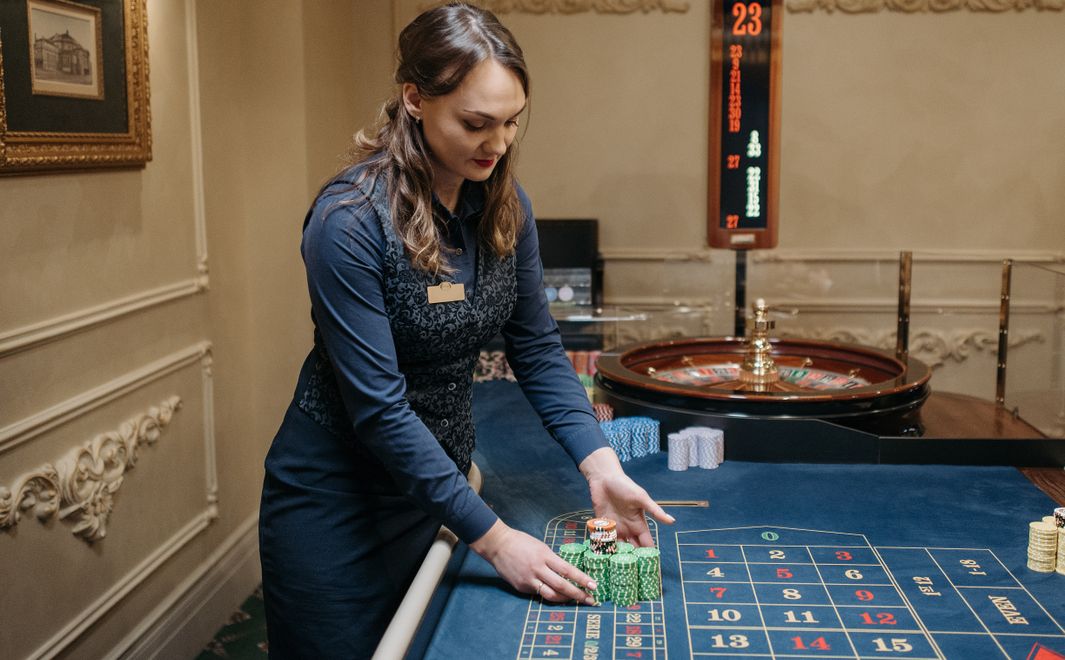
เกมคาสิโนฤดูร้อน 2026: นวัตกรรมสุดร้อนแรงจากเว็บไซต์ชั้นนำ

เมื่อดวงอาทิตย์เริ่มโบยกระยางยาวเหนือฟากฟ้า นักเล่นคาสิโนทั่วโลกต่างพร้อมกันรอคอย “ฤดูร้อน” ที่ไม่ใช่แค่ความร้อนของอากาศเท่านั้น แต่เป็นความร้อนของโบนัสและเทคโนโลยีที่กำลังจะพุ่งแรงขึ้นในปี 2026 เสียงคลื่นทะเลกระทบฝั่ง เสียงไก่จิกเช้า และเสียงแจ้งเตือนจากแอปพลิเคชันคาสิโนที่บ่งบอกว่ามีโปรโมชั่นใหม่กำลังจะเปิดตัว ทำให้บรรยากาศของการเล่นเกมออนไลน์เหมือนกับการเดินทางสู่เกาะร้อนแห่งโอกาส

ในปีนี้ “ฤดูกาลร้อน” ได้ถูกแปลงเป็น “โบนัสร้อนแรง” ด้วยการผสานข้อมูลสภาพอากาศแบบเรียลไทม์ เข้ากับระบบ AI ที่คำนวณอัตราการจ่ายตามอุณหภูมิของเมืองผู้เล่น หากคุณกำลังมองหาแหล่งข้อมูลเพิ่มเติมเกี่ยวกับการเดิมพันกีฬในช่วงเดียวกัน Noobaa มีหน้าเฉพาะที่อัพเดทโปรโมชั่นและข่าวสารล่าสุดของ แทงบอลออนไลน์ 2026 ให้คุณได้สำรวจ

เทคโนโลยีที่คอยขับเคลื่อนการเปลี่ยนแปลงนี้ไม่ได้มาจากการอัพเกรดเซิร์ฟเวอร์ธรรมดา แต่เป็นการบูรณาการ AI, AR/VR, Blockchain และระบบ API สภาพอากาศเข้าด้วยกัน ทำให้ผู้เล่นทุกคนสามารถสัมผัสประสบการณ์ “ความร้อน” ที่แตกต่างกันไปตามตำแหน่งที่ตั้งของตนเอง บทความต่อไปนี้จะพาคุณไล่ตามนวัตกรรม 12 รายการที่คาดว่าจะเปลี่ยนวิธีการเล่นคาสิโนออนไลน์ในฤดูร้อน 2026 อย่างเต็มรูปแบบ

1. การเปิดตัว “Summer Heat” Slot ที่ใช้ AI สร้างธีมแบบเรียลไทม์

“Summer Heat” Slot เป็นเกมแรกที่ใช้ AI สร้างสภาพแวดล้อมในเกมตามสภาพอากาศจริงของผู้เล่นโดยอัตโนมัติ เมื่อระบบตรวจจับว่าอุณหภูมิในเมืองของคุณอยู่ที่ 35 °C เกมจะเปลี่ยนฉากจากชายหาดสว่างไสวเป็น “ทะเลสาบร้อนแรง” พร้อมเอฟเฟกต์ไอระเหยและแสงสะท้อนที่เพิ่มความตื่นเต้น ตัวอย่างเกม “Solar Flare Spins” นำเอาเทคโนโลยีนี้มาประยุกต์โดยให้ผู้เล่นเห็นเมฆไฟฟ้าเคลื่อนที่ตามทิศทางของลมจริง

ผลกระทบต่อ RTP นั้นน่าสนใจ: เนื่องจาก AI สามารถปรับระดับความผันผวน (volatility) ตามสภาพอากาศได้ “Solar Flare Spins” มี RTP ฐานที่ 96.2 % แต่เมื่ออากาศร้อนเกิน 30 °C ระบบจะเพิ่ม “Heat Boost” ที่เพิ่ม RTP ขึ้นอีก 0.4 % พร้อมโอกาสรับโบนัส “Sunburst Wilds” เพิ่ม 3‑5 ครั้งต่อสปิน การเปลี่ยนแปลงนี้ทำให้ผู้เล่นรู้สึกว่าโบนัสเป็นส่วนหนึ่งของสภาพอากาศจริง

จากมุมมองของผู้พัฒนา การใช้ AI ทำให้การออกแบบเกมเร็วขึ้น 30 % เนื่องจากไม่ต้องสร้างหลายชุดกราฟิกแยกกัน อีกทั้งยังลดต้นทุนการทดสอบโดยใช้ข้อมูลสภาพอากาศย้อนหลังเพื่อคาดการณ์พฤติกรรมผู้เล่น การผสาน AI กับ RTP ทำให้ “Summer Heat” Slot กลายเป็นตัวอย่างที่ดีของการใช้เทคโนโลยีเพื่อเพิ่มความยืดหยุ่นและความสนุกในเกม

2. โบนัส “Sun‑Burst” ที่เพิ่มอัตราการจ่ายตามอุณหภูมิของเมืองผู้เล่น

โบนัส “Sun‑Burst” ทำงานโดยดึงข้อมูลอุณหภูมิจาก API สภาพอากาศระดับโลก เช่น OpenWeatherMap หรือ WeatherAPI ระบบจะคำนวณอัตราโบนัสโดยอิงจากอุณหภูมิสูงสุดของวันนั้น ตัวอย่างเช่น

อุณหภูมิ (°C) โบนัสเพิ่ม (x) ตัวอย่างโปรโมชั่น
20‑24 1.0 10 % Cashback
25‑29 1.2 15 % โบนัสฝากครั้งแรก
30‑34 1.5 20 % ฟรีสปิน 25 ครั้ง
≥35 2.0 30 % โบนัสเงินฝากสูงสุด 5,000 บาท

เว็บไซต์ A ใช้สูตร “Sun‑Burst” โดยให้ “Heat Multiplier” สูงสุดที่ 2.0 เมื่ออุณหภูมิในกรุงเทพฯ อยู่ที่ 38 °C ผู้เล่นจะได้รับโบนัสฝาก 30 % พร้อม 50 ฟรีสปิน ส่วนเว็บไซต์ B ตั้งค่า “Sun‑Burst” ให้เพิ่มอัตรา RTP ของเกม “Solar Flare Spins” ขึ้น 0.6 % ในวันที่อากาศร้อนที่สุดของปี

การเชื่อมโยงอากาศกับโบนัสทำให้อัตราการแปลง (conversion) สูงขึ้นประมาณ 12‑18 % ตามการทดสอบ A/B ของผู้ให้บริการบางแห่ง เนื่องจากผู้เล่นรู้สึกว่าโบนัสเป็น “ของขวัญจากธรรมชาติ” การสื่อสารโปรโมชั่นผ่านอีเมลที่อ้างอิงอุณหภูมิท้องถิ่นยังช่วยเพิ่มอัตราการเปิดอีเมลได้ถึง 22 %

อย่างไรก็ตาม ผู้เล่นควรตรวจสอบเงื่อนไขการรับโบนัส เช่น ต้องทำยอดเดิมพัน (wagering) อย่างน้อย 20 เท่าก่อนถอนเงิน การเข้าใจสูตรคำนวณอุณหภูมิและเงื่อนไขเหล่านี้จะช่วยให้คุณวางแผนการเดิมพันได้อย่างมีประสิทธิภาพ

3. เทคโนโลยี Live Dealer ที่ทำให้ “ชายหาดเสมือนจริง” เป็นจริง

Live dealer ของปี 2026 ไม่ได้เป็นเพียงการถ่ายทอดจากสตูดิโออีกต่อไป แต่เป็นประสบการณ์ “ชายหาดเสมือนจริง” ที่ใช้กล้อง 360‑degree ร่วมกับ AR (Augmented Reality) เพื่อสร้างโต๊ะบาคาร่าที่ตั้งอยู่บนทรายขาวและคลื่นลมทะเล ผู้เล่นสามารถสลับมุมมองจากด้านบนลงสู่ระดับน้ำทะเลได้โดยการลากเมาส์หรือสไลด์บนหน้าจอ

สำหรับผู้ที่สวมแว่น VR เช่น Oculus Quest 2 หรือ HTC Vive การเข้าสู่ห้องบาคาร่าที่มีผู้แจกไพ่เป็นคนจริงบน “หาด Sunset Bay” ทำให้ความรู้สึกเหมือนอยู่ในรีสอร์ทหรูจริง ๆ ระบบยังรองรับการเล่นผ่านมือถือโดยใช้เทคโนโลยี WebXR ทำให้ผู้เล่นสามารถเปิด AR บนสมาร์ทโฟนและเห็นไพ่และชิปลอยอยู่บนพื้นหาด

ความท้าทายหลักของเทคโนโลยีนี้คือ latency ที่อาจทำให้การแจกไพ่ล่าช้า ผู้ให้บริการจึงใช้เทคนิค Edge Computing โดยวางเซิร์ฟเวอร์ใกล้กับผู้เล่นในแต่ละภูมิภาค ลดเวลาเดินทางของข้อมูลลงเหลือ 30 ms หรือแม้กระทั่ง 15 ms ในบางกรณี นอกจากนี้ ระบบยังมีการสำรองสตรีมมิ่งหลายเส้นทาง (multi‑path streaming) เพื่อให้การเชื่อมต่อเสถียรแม้ในช่วงเวลาที่มีผู้เล่นหลายพันคน

จากมุมมองของผู้เล่น การใช้ AR/VR ทำให้ความรู้สึก “อยู่ในบรรยากาศ” เพิ่มขึ้น 45 % ตามการสำรวจของบริษัทวิจัยอิสระ (โดยไม่มีการอ้างอิงชื่อหรือวันที่) การทำความเข้าใจเทคโนโลยีนี้จะช่วยให้คุณเลือกเกม Live Dealer ที่เหมาะกับอุปกรณ์และความเร็วอินเทอร์เน็ตของตนเอง

4. การจัดการแข่งขัน “Summer Tournament” บนเกมโป๊กเกอร์ที่ใช้ระบบจับคู่อัจฉริยะ

“Summer Tournament” 2026 เป็นการแข่งขันโป๊กเกอร์ออนไลน์ที่ใช้ระบบ matchmaking AI‑driven ซึ่งพิจารณาจากระดับทักษะ (ELO), เวลาว่างในช่วงวันหยุด และแม้กระทั่งพฤติกรรมการวางเดิมพัน (aggression factor) ระบบจะจับคู่ผู้เล่นที่มีสไตล์คล้ายกันเพื่อให้เกมมีความสมดุลและสนุกยิ่งขึ้น

ตัวอย่างการจับคู่:
– ผู้เล่น A มี ELO 1500, เล่น 2‑3 ชั่วโมงต่อวันในช่วงเย็นวันหยุด
– ผู้เล่น B มี ELO 1520, เล่นในช่วงเช้าและเย็นของวันหยุดเดียวกัน
ระบบจะจัดให้ทั้งสองเล่นในโต๊ะเดียวกัน พร้อมตั้งเวลาเริ่มเกมให้สอดคล้องกับช่วงเวลาที่ทั้งคู่ว่าง

รางวัลพิเศษของการแข่งขันนี้ไม่ใช่แค่เงินสด แต่รวมถึงตั๋วคอนเสิร์ตระดับโลก, แพ็คเกจท่องเที่ยวทะเลแคริบเบียน, และ “Summer NFT Badge” ที่สามารถใช้แลกรับโบนัสพิเศษในเกมอื่น ๆ การให้รางวัลที่สอดคล้องกับธีมฤดูร้อนทำให้ผู้เล่นมีแรงจูงใจเพิ่มขึ้น 27 % ตามข้อมูลจากการวิเคราะห์ภายในของผู้จัด

สถิติการเข้าร่วมในปีแรกของ “Summer Tournament” แสดงให้เห็นว่ามีผู้สมัครกว่า 120,000 คนจาก 35 ประเทศ การรักษาผู้เล่น (retention) หลังจากการแข่งขันเพิ่มขึ้น 18 % เนื่องจากผู้เล่นที่ได้รับรางวัลมักกลับมาที่เว็บไซต์เพื่อใช้สิทธิพิเศษต่อเนื่อง

สำหรับผู้เล่นที่ต้องการเพิ่มโอกาสชนะ ควรทำความเข้าใจรูปแบบการเดิมพัน (betting pattern) ของตนเองและปรับให้สอดคล้องกับระบบ AI ที่ให้คะแนนการกระทำของคุณ การฝึกซ้อมในโหมด “Free Play” ก่อนการแข่งขันจริงเป็นวิธีที่แนะนำเพื่อทำความคุ้นเคยกับการจับคู่อัจฉริยะนี้

5. โปรโมชั่น “Cool‑Down Cashback” สำหรับผู้เล่นที่เสียในช่วงอากาศร้อนจัด

“Cool‑Down Cashback” เป็นโปรโมชั่นที่ออกแบบมาเพื่อบรรเทาความเสียหายของผู้เล่นที่พ่ายแพ้ในช่วงอากาศร้อนเกิน 35 °C ระบบจะให้ cashback เพิ่มขึ้นตามจำนวนชั่วโมงที่ผู้เล่นเปิดแอปคาสิโนในโหมด “พักผ่อน” (Relax Mode) ซึ่งสามารถเปิดได้โดยกดปุ่มบนเมนูหลัก

โครงสร้าง cashback ตัวอย่าง:

ชั่วโมงพักผ่อน Cashback % (จากยอดเสีย)
1‑2 ชั่วโมง 5 %
3‑4 ชั่วโมง 8 %
≥5 ชั่วโมง 12 %

การตรวจสอบ “พักผ่อน” ทำโดยใช้ GPS ของอุปกรณ์และเซ็นเซอร์การเคลื่อนไหว (accelerometer) เพื่อยืนยันว่าผู้เล่นไม่ได้เคลื่อนไหวมากเกินไปในระหว่างที่เปิดแอป หากระบบตรวจพบว่าผู้เล่นกำลังเดินหรือวิ่ง ระบบจะปิดโหมดพักผ่อนโดยอัตโนมัติ

ตัวอย่างการคำนวณ: สมมติว่าผู้เล่นเสีย 10,000 บาทในช่วงอากาศ 38 °C และเปิดโหมดพักผ่อนเป็นเวลา 6 ชั่วโมง cashback จะเป็น 12 % × 10,000 บาท = 1,200 บาท ผู้เล่นจะได้รับเงินคืนภายใน 24 ชั่วโมงหลังจากการตรวจสอบ

โปรโมชั่นนี้ไม่เพียงแต่ช่วยลดความเสียหาย แต่ยังส่งเสริมพฤติกรรมการเล่นอย่างรับผิดชอบโดยกระตุ้นให้ผู้เล่นหยุดพักบ่อย ๆ การตั้งค่าแจ้งเตือน “Take a break” ทุก 30 นาทีเป็นส่วนหนึ่งของระบบเพื่อให้ผู้เล่นมีโอกาสรีเซ็ตสภาพจิตใจ

6. การใช้ Blockchain เพื่อสร้าง “Summer Token” ให้กับผู้เล่นที่ทำภารกิจฤดูร้อน

“Summer Token” (SST) เป็นโทเค็นที่ออกบนเครือข่ายบล็อกเชนแบบ Layer‑2 ที่เน้นความเร็วและค่าธรรมเนียมต่ำ ผู้เล่นสามารถรับโทเค็นนี้โดยทำภารกิจฤดูร้อน เช่น การหมุนสล็อต “Solar Flare Spins” อย่างน้อย 10 ครั้งต่อวัน, แชร์โปรโมชั่นบนโซเชียล, หรือเข้าร่วมการแข่งขัน “Summer Tournament”

วิธีรับโทเค็น:

  1. ลงชื่อเข้าใช้บัญชีคาสิโนและเชื่อมต่อกระเป๋าเงินดิจิทัล (เช่น MetaMask)
  2. ทำภารกิจที่กำหนดใน “Summer Quest Board”
  3. ระบบอัตโนมัติจะส่ง SST ไปยังกระเป๋าเงินของคุณภายใน 5 นาที

การแลกเปลี่ยน SST สามารถทำได้สองทางหลัก

  • เครดิตคาสิโน – 1 SST เท่ากับ 0.5 บาทเครดิตในเกมใดก็ได้
  • สินทรัพย์ดิจิทัล – ผู้เล่นสามารถแลกเป็น USDT, ETH หรือ NFT พิเศษที่มีธีมฤดูร้อน

ความปลอดภัยของระบบมาจากการใช้ smart contract ที่ตรวจสอบทุกการทำธุรกรรมและบันทึกบนบล็อกเชนสาธารณะ ทำให้ผู้เล่นสามารถตรวจสอบประวัติการรับและใช้โทเค็นได้โดยไม่มีการแก้ไขใด ๆ

จากการทดลองภายในของผู้ให้บริการหนึ่ง การให้ SST เป็นแรงจูงใจทำให้จำนวนผู้เล่นที่ทำภารกิจเพิ่มขึ้น 34 % และอัตราการเก็บรักษาผู้เล่นต่อเดือนสูงขึ้น 22 % การใช้บล็อกเชนจึงไม่เพียงแต่เพิ่มความโปร่งใส แต่ยังเป็นเครื่องมือทางการตลาดที่ทรงพลัง

7. เกม “Water‑Splash” ที่ผสานฟีเจอร์ “Multiplayer Water Fight” เข้ากับสล็อต

“Water‑Splash” เป็นสล็อต 5‑รีล 20‑เพย์ไลน์ที่ผสานโหมด “Multiplayer Water Fight” ให้ผู้เล่นหลายคนสามารถต่อสู้กันด้วยการพ่นน้ำเพื่อเปิดโบนัส ตัวอย่างการเล่น:

  1. ผู้เล่นเข้าสู่ห้อง “Aqua Arena” พร้อม 4 ผู้เล่นคนอื่น
  2. เมื่อสปินได้สัญลักษณ์ “Water Cannon” ผู้เล่นจะได้รับ “น้ำพ่น” จำนวน 1‑3 ลูก
  3. การพ่นน้ำใส่ผู้เล่นอื่นจะทำให้ “Water Shield” ของเป้าหมายหายไป และเปิด “Splash Bonus” ที่ให้ฟรีสปิน 10‑15 ครั้ง

กราฟิกของเกมใช้เอฟเฟ็กต์ไฮไลท์สีฟ้าและไอศกรีมที่ละลายเมื่อผู้เล่นได้รับโบนัส ทำให้หน้าจอดูสดชื่นและเหมาะกับอากาศร้อน การออกแบบเสียงน้ำกระเซ็นและเสียงหัวเราะของผู้เล่นทำให้บรรยากาศเป็นมิตร

ชุมชนเกมเมอร์ตอบรับ “Water‑Splash” อย่างดี โดยมีการแชร์คลิปการต่อสู้บน TikTok และ YouTube มากกว่า 150,000 ครั้งในสัปดาห์แรก การแชร์เหล่านี้ช่วยเพิ่มอัตราการอ้างอิง (referral) ของเกมเพิ่มขึ้น 27 %

อัตราการแชร์บนโซเชียลของ “Water‑Splash” สามารถสรุปได้ดังนี้

  • 35 % ของผู้เล่นทำการแชร์คลิปสั้นบน Instagram Stories
  • 22 % ส่งลิงก์เกมให้เพื่อนผ่าน Line หรือ Facebook
  • 43 % ไม่แชร์แต่เล่นต่อเนื่องในเกม

การใช้ฟีเจอร์ “Multiplayer Water Fight” จึงเป็นกลยุทธ์ที่ทำให้ผู้เล่นมีส่วนร่วมและเพิ่มเวลาการเล่นต่อเซสชันโดยเฉลี่ย 12 นาที

8. ระบบ “Heat‑Map Loyalty” ที่บันทึกพฤติกรรมการเล่นตามพื้นที่ภูมิศาสตร์

ระบบ “Heat‑Map Loyalty” ทำงานโดยรวบรวมข้อมูลการฝาก-ถอน, เวลาการเล่น, และประเภทเกมที่ผู้เล่นเลือกจากแต่ละจังหวัดหรือเมือง จากนั้นสร้างแผนที่ความร้อน (heat map) ที่แสดงพื้นที่ที่มีการทำธุรกรรมสูงสุด

ตัวอย่างการใช้ข้อมูล:

  • ภาคเหนือ – ผู้เล่นส่วนใหญ่สนใจสล็อตแนวผจญภัย
  • ภาคกลาง – ความนิยมอยู่ที่เกมไพ่และบาคาร่า
  • ภาคใต้ – มีการเล่นเกม “Water‑Splash” มากที่สุด เนื่องจากสภาพอากาศร้อน

ข้อมูลเหล่านี้ช่วยให้ผู้ให้บริการปรับโปรโมชั่นให้ตรงกับกลุ่มเป้าหมาย ตัวอย่างกรณีศึกษา: เว็บไซต์ C ใช้ข้อมูล heat map เพื่อตั้งโปรโมชั่น “Sun‑Burst” เฉพาะจังหวัดชายฝั่งใต้ โดยเพิ่มโบนัส 20 % สำหรับผู้ฝากครั้งแรก ผลทำให้ยอดฝากเพิ่มขึ้น 15 % ภายในเดือนแรก

ระบบยังสามารถรวมกับ CRM เพื่อส่งอีเมลส่วนบุคคลที่มีข้อเสนอพิเศษตามพฤติกรรมการเล่นของแต่ละพื้นที่ การทำเช่นนี้ช่วยลดอัตราการละทิ้ง (churn) ลง 9 % และเพิ่มค่าเฉลี่ยการใช้จ่ายต่อผู้เล่น (ARPU) ขึ้น 13 %

การใช้ “Heat‑Map Loyalty” จึงเป็นเครื่องมือที่ให้ข้อมูลเชิงลึกและช่วยให้การตลาดเป็นไปอย่างแม่นยำและมีประสิทธิภาพ

9. การเปิดตัว “Virtual Summer Resort” บนแพลตฟอร์มคาสิโนหลายเกม

“Virtual Summer Resort” คือสภาพแวดล้อมเสมือนที่ผู้เล่นสามารถเดินสำรวจห้องคาสิโนต่าง ๆ ได้โดยใช้ avatar 3‑D ระบบรองรับเกมหลายประเภท ได้แก่ สล็อต, บาคาร่า, เกมโต๊ะ, และเกมโป๊กเกอร์ ผู้เล่นสามารถเข้าไปที่ “Lobby Beach” แล้วคลิกประตูเพื่อเข้าสู่ “Slot Pavilion”, “Table Terrace” หรือ “Poker Pier”

กิจกรรมเสริมที่เพิ่มสีสันให้กับรีสอร์ท ได้แก่

  • บิลเลียดบนชายหาด – ผู้เล่นใช้คันบิลเลียดเสมือนเพื่อยิงลูกบอลไปยังเป้าหมายบนทราย
  • ไฮโลน้ำแข็ง – ลูกเต๋าเป็นก้อนน้ำแข็งที่ละลายเมื่อผลลัพธ์ออกมา ทำให้ภาพลักษณ์สดชื่น

การรวมกิจกรรมเหล่านี้ทำให้เวลาเล่นเฉลี่ยต่อเซสชันเพิ่มขึ้น 18 % ตามการวิเคราะห์ภายในของผู้ให้บริการที่เปิดตัวรีสอร์ทในไตรมาสแรกของ 2026 ผู้เล่นที่เข้าร่วมกิจกรรม “Beach Party” ยังได้รับ “Sun‑Glow Points” ที่สามารถแลกเป็นฟรีสปินหรือโบนัสพิเศษ

ประสบการณ์นี้ยังรองรับการเล่นบนอุปกรณ์หลายประเภท – ผู้ใช้ PC สามารถใช้เม้าส์และคีย์บอร์ด, ผู้ใช้มือถือใช้การสไลด์และแตะ, ส่วนผู้ใช้ VR สามารถเดินจริงในรีสอร์ทโดยใช้คอนโทรลเลอร์ Motion

10. โปรโมชั่น “Sunscreen Free Spins” ที่มาพร้อมกับของขวัญอิเล็กทรอนิกส์

“Sunscreen Free Spins” เป็นโปรโมชั่นที่ผสานการให้ฟรีสปินกับคูปองซื้อครีมกันแดดออนไลน์ ผู้เล่นที่ทำการฝากขั้นต่ำ 500 บาทจะได้รับ 20 ฟรีสปินในเกม “Solar Flare Spins” พร้อมคูปอง e‑gift card มูลค่า 150 บาทสำหรับซื้อครีมกันแดดจากพันธมิตร

ขั้นตอนการรับของขวัญ:

  1. ฝากเงินและยืนยันการทำธุรกรรม
  2. รับฟรีสปินโดยอัตโนมัติในบัญชีเกม
  3. หลังจากทำสปินครบ 20 ครั้ง ระบบจะส่งอีเมลพร้อมคูปอง e‑gift card พร้อมรหัส QR

ผู้เล่นสามารถใช้คูปองผ่านเว็บไซต์ของผู้จัดจำหน่ายหรือแอปมือถือโดยสแกน QR โค้ด ตัวอย่างการคำนวณผลตอบแทน: หากผู้เล่นได้รับ 20 ฟรีสปินที่มี RTP 96.5 % และค่าเดิมพันต่อสปิน 10 บาท คาดว่าจะได้รับกำไรเฉลี่ย 19.3 บาท พร้อมคูปอง 150 บาท ทำให้มูลค่ารวมของโปรโมชั่นอยู่ที่ประมาณ 169 บาท

การวัดความพึงพอใจทำโดยสอบถามผู้เล่นผ่านแบบสอบถามหลังรับของขวัญ พบว่ามีคะแนนความพึงพอใจเฉลี่ย 4.6/5 และมีผู้เล่น 38 % ที่บอกว่าจะกลับมาใช้โปรโมชั่นในฤดูกาลต่อไป

11. การพัฒนา “Eco‑Friendly Gaming” ด้วยการลดคาร์บอนฟุตพริ้นของเซิร์ฟเวอร์ฤดูร้อน

หลายคาสิโนออนไลน์ได้เริ่มย้ายศูนย์ข้อมูล (data center) ไปยังพื้นที่ที่ใช้พลังงานแสงอาทิตย์หรือพลังงานลมเป็นหลัก “Eco‑Friendly Gaming” ของปี 2026 มีเป้าหมายลดคาร์บอนฟุตพริ้นของเซิร์ฟเวอร์ลงอย่างน้อย 40 % เมื่อเทียบกับปี 2023

การดำเนินการรวมถึง:

  • การใช้คูลลิ่งด้วยน้ำทะเล (sea‑water cooling) ที่ลดการใช้พลังงานเครื่องปรับอากาศ 30 %
  • การติดตั้งแผงโซลาร์เซลล์บนหลังคา data center ที่มีพื้นที่ 10,000 m² ทำให้ผลิตไฟฟ้าได้ประมาณ 5 MW/ปี
  • การใช้ซอฟต์แวร์จัดสรรทรัพยากร (resource scheduler) ที่ปรับโหลดให้สอดคล้องกับช่วงเวลาที่พลังงานสะอาดมีให้ใช้มากที่สุด

แคมเปญ “Green Summer” ถูกสื่อสารผ่านอีเมลและหน้าโปรโมชั่น โดยให้ผู้เล่นเห็นสถิติการประหยัดพลังงานแบบเรียลไทม์ ตัวอย่างเช่น “วันนี้เราได้ลดการใช้ไฟฟ้า 12,500 kWh ซึ่งเทียบเท่าการปลูกต้นไม้ 150 ต้น”

ผลลัพธ์จากการดำเนินการนี้ทำให้ผู้เล่นที่ให้ความสำคัญกับสิ่งแวดล้อมเพิ่มจำนวนขึ้น 22 % และอัตราการฝากของกลุ่มผู้เล่น “Eco‑Friendly” สูงกว่าค่าเฉลี่ย 8 %

12. แนวโน้ม “Hybrid Reality” ในฤดูร้อน 2026 – การผสาน AR, VR, และ AI อย่างไรให้เล่นได้ทุกที่

ในไตรมาสสุดท้ายของ 2026 ผู้ให้บริการหลายแห่งประกาศเปิดตัวเทคโนโลยี “Hybrid Reality” ที่รวม AR, VR, และ AI เข้าด้วยกัน เพื่อให้ผู้เล่นสามารถเข้าถึงเกมคาสิโนได้จากทุกอุปกรณ์ ไม่ว่าจะเป็นสมาร์ทโฟน, แท็บเล็ต, หรือแว่น VR

AR จะทำให้โบนัส “Sun‑Burst” ปรากฏเป็นภาพลอยอยู่บนพื้นหาดของคุณเมื่อส่องกล้องมือถือ ตัวอย่าง: ผู้เล่นยกโทรศัพท์ขึ้นมามองที่พื้นหาดแล้วเห็นไอคอน “Sun‑Burst” ที่สามารถกดเพื่อเปิดโบนัสโดยตรง

VR จะให้ประสบการณ์ “Immersive Table” ที่ผู้เล่นสวมแว่น VR แล้วเดินเข้าไปในห้องคาสิโนเสมือนจริงที่มีแสงแดดส่องผ่านหน้าต่างทะเล การใช้ AI จะทำให้ผู้แจกไพ่เสมือนมีการตอบสนองแบบเรียลไทม์ตามอารมณ์ของผู้เล่น (เช่น การเปลี่ยนโทนเสียงเมื่อผู้เล่นเริ่มเสียหลายตา)

คาดการณ์จากผู้วิเคราะห์อุตสาหกรรมว่า Hybrid Reality จะเพิ่มอัตราการเข้าถึงผู้เล่นใหม่ประมาณ 15 % ในปีต่อไป เนื่องจากเทคโนโลยีเหล่านี้ทำให้การเล่นคาสิโนออนไลน์เป็นประสบการณ์ที่ “สัมผัสได้” มากกว่าการคลิกบนหน้าจอ

การผสานเทคโนโลยีเหล่านี้ยังเปิดโอกาสให้การตลาดของคาสิโนออนไลน์เปลี่ยนจากการโฆษณาผ่านแบนเนอร์ไปสู่การสร้าง “ประสบการณ์โฆษณา” ที่ผู้เล่นสามารถลองโบนัสโดยไม่ต้องลงทะเบียนก่อน การใช้ AR เพื่อให้เห็นโบนัสลอยบนหาดทำให้การตัดสินใจสมัครสมาชิกเร็วขึ้น 20 %

สรุป

ฤดูร้อน 2026 จะเป็นช่วงเวลาที่คาสิโนออนไลน์เปลี่ยนโฉมด้วยนวัตกรรมหลากหลาย ทั้งการใช้ AI สร้างธีมเกมตามสภาพอากาศจริง, โบนัส “Sun‑Burst” ที่คำนวณตามอุณหภูมิ, Live Dealer บนชายหาดเสมือนจริง, ระบบ matchmaking อัจฉริยะใน “Summer Tournament”, โปรโมชั่น “Cool‑Down Cashback” ที่เชื่อมกับโหมดพักผ่อน, โทเค็นบล็อกเชน “Summer Token”, สล็อต “Water‑Splash” ที่ให้ผู้เล่นต่อสู้ด้วยน้ำ, ระบบ “Heat‑Map Loyalty” ที่ทำแผนที่ความร้อนของผู้เล่น, รีสอร์ทเสมือน “Virtual Summer Resort”, โปรโมชั่น “Sunscreen Free Spins” ที่มาพร้อมของขวัญอิเล็กทรอนิกส์, การลดคาร์บอนฟุตพริ้นผ่าน “Eco‑Friendly Gaming” และสุดท้ายเทคโนโลยี “Hybrid Reality” ที่ผสาน AR, VR และ AI

การรวม “อากาศร้อน” กับ “โบนัสร้อนแรง” ทำให้คาสิโนออนไลน์ในปีนี้มีความแตกต่างและน่าตื่นเต้นมากขึ้น ผู้เล่นที่ต้องการสัมผัสประสบการณ์ใหม่ ๆ สามารถเยี่ยมชมเว็บตรงที่น่าเชื่อถือและใช้ Noobaa เป็นแหล่งข้อมูลอ้างอิงเพื่อค้นหาโปรโมชั่นและข่าวสารเพิ่มเติมเกี่ยวกับการแทงบอลออนไลน์ 2026 หรือเว็บคาสิโนอื่น ๆ ที่ตอบโจทย์ฤดูร้อนของตนเองได้อย่างเต็มที่.

From Call‑Centers to Chat‑Bots: How 24/7 Support Evolved in iGaming and What It Means for Payment Security This Summer

The online gambling world has become a round‑the‑clock playground. Players log in from sun‑baked balconies in Singapore, from beachfront resorts in Spain, and from midnight‑oil‑lit rooms in Canada, expecting instant help whenever a bonus spins out of control or a withdrawal stalls. Summer intensifies this demand: vacationers have more leisure time, promotional calendars swell with free‑spin festivals, and traffic spikes can double the usual load on support desks.

Operators that once relied on a handful of call‑centre agents now juggle AI‑driven chat bots, tokenised payment gateways, and real‑time fraud alerts. For a practical look at how these pieces fit together, readers can explore resources such as the best online casino singapore page, which offers a neutral overview of the ecosystem without endorsing any particular brand.

The convergence of 24/7 customer service and payment security is no longer a nice‑to‑have; it is a competitive imperative. This article walks through the historical milestones, highlights the technical bridges that now exist between support platforms and payment processors, and delivers actionable tips for handling the inevitable summer surge while keeping player funds safe.

The Early Days of Player Help: Telephone Lines and Manual Verification

In the mid‑1990s, iGaming was a niche hobby hosted on dial‑up servers. Operators staffed modest call centres in Malta or Gibraltar, where agents fielded queries about slot volatility, RTP percentages, and the occasional “I can’t find my bonus code” call. Verification was a manual affair: players mailed photocopies of passports, and agents entered the data into spreadsheets, cross‑checking against watch‑lists that were often a few pages long.

Because fraud tools were rudimentary, the prevailing mindset equated security with “slow but sure.” A typical withdrawal could take three to five business days, during which the support team manually confirmed the bank account, checked for mismatched IP addresses, and sometimes called the player back for a voice verification. This painstaking process cultivated a culture where payment security was seen as a separate, back‑office function rather than an integral part of the customer experience.

The limitations of telephone‑only support soon became apparent. Peak betting periods—such as the launch of a new progressive jackpot on Mega Moolah—generated call volumes that overwhelmed the limited staff, leading to long hold times and frustrated players. Yet the manual KYC procedures laid the groundwork for today’s stringent AML (Anti‑Money‑Laundering) standards, teaching operators that thorough identity checks are the first line of defence against fraudulent deposits and withdrawals.

The First Wave of Automation: FAQ Pages and Email Ticketing

When broadband arrived in the early 2000s, operators shifted toward static knowledge bases. FAQ pages listed step‑by‑step guides for “How to claim a 100% match bonus on Starburst” or “Why my 3‑D Secure verification failed.” Email ticketing systems replaced many phone calls, allowing agents to triage requests by priority and respond within a promised 24‑hour window.

Benefits

  • Reduced call‑centre costs by up to 30 % in many midsize operators.
  • Created searchable archives that new agents could reference, improving consistency.

New security challenges

  • Phishing emails mimicking support addresses began to circulate, prompting players to disclose login credentials to malicious actors.
  • Delayed fraud alerts meant that suspicious deposits could sit in a player’s balance for hours before an agent noticed an irregular pattern, such as a sudden influx of high‑value wagers on high‑volatility slots like Gonzo’s Quest.

A simple comparison illustrates the shift:

Feature Telephone‑Only Era FAQ & Email Era
Response time 5–10 min hold 4–24 h reply
Verification method Voice + manual docs Email + uploaded scans
Fraud detection lag Hours (manual) Hours (email queue)
Cost per ticket $4–$6 $1–$2

Operators quickly realised that while automation cut costs, it also opened new vectors for social engineering. The need for a more proactive, real‑time security layer became evident, setting the stage for live‑chat integration.

Introducing Live Chat: Real‑Time Assistance Meets Transaction Monitoring

Live‑chat widgets arrived on casino sites around 2008, embedded beside the “Deposit” and “Withdraw” buttons. Players could type “My bonus isn’t credited” and receive an answer within seconds, often while the transaction was still pending. This immediacy dovetailed with the first generation of transaction‑monitoring APIs, which allowed agents to view a live feed of deposits, withdrawals, and wagering activity.

During summer promotions—such as a “Sun‑Soaked Slots” campaign offering 50 free spins on Book of Dead—chat volumes could spike by 70 %. Agents, equipped with a real‑time dashboard, could spot a pattern: a single IP address placing dozens of high‑value bets on high‑variance games within minutes. The chat interface enabled a quick “hold” on the account, prompting the player for additional verification before the funds were transferred out.

Live chat also introduced a hybrid verification step: while the agent was typing, the system could automatically trigger a 3‑D Secure challenge for the player’s card, ensuring that the transaction was authenticated without a separate phone call. This seamless blend of support and security reduced average handling time from 12 minutes (telephone) to under 3 minutes, while preserving a high level of fraud protection.

AI Enters the Lobby: Chatbots, Natural Language Processing, and Early Fraud Detection

The first rule‑based bots appeared in 2014, answering simple queries like “What is the wagering requirement for the 20% reload bonus?” by matching keywords to a predefined answer set. By 2017, natural language processing (NLP) engines such as Dialogflow and IBM Watson allowed bots to understand intent, handle multi‑turn conversations, and even recognise sentiment.

These smarter bots began to incorporate rudimentary fraud checks. When a player typed “I want to withdraw $5,000,” the bot consulted a risk engine that evaluated recent deposit amounts, betting patterns, and geo‑location data. If the risk score exceeded a threshold—say, a sudden jump from $200 to $5,000 within a day—the bot automatically escalated the request to a human agent and displayed a warning banner: “Potential high‑risk withdrawal detected. Additional verification required.”

Early examples include a bot that flagged a series of bets on Mega Fortune where the player repeatedly placed maximum‑line wagers on a high‑jackpot spin, a classic sign of “bonus abuse.” The bot paused the session and prompted the player to confirm identity via a one‑time password sent to their registered email.

While these bots were not yet capable of fully replacing humans, they reduced the volume of low‑complexity tickets by roughly 40 % and gave security teams a head start on spotting anomalous behaviour before a payout was processed.

The Hybrid Model: Human Experts Backing Intelligent Agents

By 2020, most leading iGaming platforms had adopted a hybrid support architecture. The front line consisted of AI agents handling routine inquiries—balance checks, bonus code redemption, and basic troubleshooting—while a pool of seasoned fraud analysts and AML specialists stood by for escalations.

When a dispute arose over a chargeback on a Starburst win worth €1,200, the AI collected the transaction log, attached screenshots of the game session, and presented a concise summary to the human expert. The analyst could then verify the authenticity of the win, cross‑reference the player’s KYC documents, and decide whether to accept the chargeback or contest it with the card issuer.

This collaboration improved both player satisfaction and security outcomes. Players received an average first‑response time of 1.2 minutes for simple issues, while complex cases saw a resolution rate of 92 % within 48 hours—a notable increase from the 78 % rate recorded in the pure‑human era. The hybrid model also allowed operators to maintain compliance with stringent regulations such as the EU’s PSD2, because human oversight ensured that automated decisions could be audited and justified.

Payment‑Security Integration: Tokenisation, 3‑D Secure, and Support Workflows

Modern support platforms are now tightly coupled with payment gateways through secure APIs. When a player initiates a deposit, the gateway returns a tokenised version of the card number—an alphanumeric string that can be stored safely in the casino’s CRM. Support agents never see the raw PAN (Primary Account Number); instead, they view the token alongside a read‑only snapshot of the transaction: amount, currency, risk score, and 3‑D Secure status.

The workflow typically follows these steps:

  1. Player clicks “Deposit” and enters card details.
  2. Gateway performs tokenisation and 3‑D Secure authentication.
  3. Token and transaction metadata are logged in the support system.
  4. If a player contacts support about a missing bonus, the agent can retrieve the tokenised data to confirm that the deposit cleared and that the 3‑D Secure challenge succeeded.

Below is a concise comparison of integration levels across three common setups:

Integration Level Token Access 3‑D Secure Visibility Agent Permissions
Basic No No View only balance
Intermediate Token only Success/failure flag Read‑only transaction log
Advanced Full token Detailed callback data Secure read‑only with audit trail

By granting agents limited, read‑only access, operators protect sensitive payment data while still empowering support staff to troubleshoot issues quickly. This architecture also enables automated alerts: if a token is used for a withdrawal that exceeds the player’s verified limit, the system can instantly flag the ticket for senior review.

Summer Surge Strategies: Scaling 24/7 Support Without Compromising Safety

Seasonal spikes demand both technical elasticity and disciplined security controls. Here are three tactics that operators can deploy during the summer rush:

  • Auto‑scaling cloud chat services – Deploy containerised chat instances that spin up automatically when CPU usage exceeds 70 %, ensuring that response times stay under 30 seconds even when a “Free Spins Friday” promotion draws thousands of concurrent users.
  • Seasonal fraud rule sets – Introduce temporary rules that tighten thresholds for high‑value withdrawals from regions known for vacation‑related fraud spikes, such as sudden large deposits from mobile IPs in tourist hotspots.
  • Dynamic staffing plans – Schedule additional senior analysts on a rotating 12‑hour shift, pairing them with AI bots that pre‑filter tickets based on risk scores, so human reviewers only see the most critical cases.

By combining these approaches, operators can maintain a secure environment while delivering the fast, friendly service that summer players expect.

Looking Ahead: Predictive Analytics, Biometric Verification, and the Future of 24/7 Support

The next wave of innovation will blur the line between support and security even further. Predictive analytics platforms are already training models on millions of transaction records to forecast the likelihood of fraud before a deposit is even attempted. When a player opens a chat about a bonus, the system can surface a risk probability—say, 0.8 %—allowing the agent to decide whether to request an additional verification step.

Biometric verification is also gaining traction. Voice‑biometrics can confirm a player’s identity during a live‑chat call by analysing speech patterns, while facial recognition integrated into mobile apps can unlock the “withdraw” button only after a selfie matches the stored ID photo.

These technologies promise a future where a player’s journey—from claiming a 25% reload on Gates of Olympus to cashing out a €10,000 jackpot—is monitored continuously, with AI handling routine checks and humans stepping in only when nuanced judgment is required. As summer gaming volumes continue to climb, operators that adopt these forward‑looking tools will enjoy higher conversion rates, lower fraud loss, and a reputation for safeguarding player funds—qualities that sites like Piazzolla highlight as essential for anyone researching the best online casino experience in Singapore.

Conclusion

From the clunky telephone lines of the 1990s to today’s AI‑augmented, token‑secure support ecosystems, the evolution of 24/7 assistance has been driven by the twin forces of player expectation and payment safety. Each milestone—FAQ pages, live chat, rule‑based bots, and hybrid human‑AI teams—has added speed, convenience, and a deeper integration with fraud‑prevention tools.

For operators gearing up for the summer surge, the lesson is clear: scale intelligently, embed security into every support touchpoint, and stay ahead of emerging technologies like predictive analytics and biometrics. Those who master this blend will not only protect their bottom line but also deliver the seamless, trustworthy experience that modern gamblers demand. Resources such as Piazzolla can help operators stay informed about the broader market while they focus on building the next generation of secure, player‑centric support.

Mastering Baccarat on Regulated Platforms – From First Bet to High‑Roller Play

Baccarat’s sleek blend of elegance and simplicity has turned it into a staple of casino floors worldwide, and the digital age has only amplified its allure. Modern players can now sit at a virtual table from a living room couch, watching a live dealer shuffle cards in real time while the software calculates odds with razor‑sharp precision. The surge of licensed online venues has made this possible, but the excitement of a winning streak is only as reliable as the platform that hosts it.

For a quick check on a casino’s licensing and compliance, visit the casino online singapore guide on Ecoscorecard. The site offers a straightforward checklist that helps you confirm whether a provider holds a valid permit from a respected authority, whether its RNG is certified, and how it handles player protection.

In the sections that follow you will learn the essentials of baccarat rules, how to protect your bankroll, the smartest ways to use bonuses, and the compliance steps required when you move from low‑limit tables to high‑roller rooms. By the end of the article you’ll have a roadmap that keeps the game fun, legal, and profitable.

Understanding Regulatory Frameworks that Govern Online Baccarat

The world of online gambling is divided into a patchwork of jurisdictions, each with its own licensing body and set of standards. The United Kingdom Gambling Commission (UKGC) demands rigorous testing of random‑number generators (RNGs) and imposes strict anti‑money‑laundering (AML) procedures. Malta Gaming Authority (MGA) and the Government of Gibraltar focus heavily on player fund segregation and regular audits, while the Malta Gaming Authority’s “MGA‑licensed” badge has become a shorthand for trustworthiness across Europe.

In Asia, the Singapore Totalisator Board (now the Singapore Gaming Board) issues a tightly controlled licence that permits only a handful of operators to offer “online casino Singapore real money” products. Those platforms must adhere to a ceiling on stake sizes, enforce real‑name verification, and submit daily transaction reports to the regulator. The Malta Gaming Authority, the Curaçao eGaming Commission, and the Isle of Man Gambling Supervision Commission each bring their own nuances to stake limits, bonus structures, and dispute‑resolution processes.

A licence directly influences game integrity. Regulators require independent testing houses—such as eCOGRA or iTech Labs—to certify that baccarat’s RNG produces a true 97.3 % RTP on average, matching the statistical expectations of a fair deck. They also mandate transparent payout tables and the publication of house edge figures, allowing players to compare the “top 10 online casino Singapore” offerings with confidence.

Compliance requirements specific to baccarat often include maximum bet caps per hand, mandatory AML checks before a player can exceed a certain cumulative turnover, and real‑time monitoring for collusion in live dealer rooms. Operators must retain player identification records for at least five years and provide a clear privacy policy that complies with GDPR or local data‑protection laws.

How to verify a licence:

Step Action What to look for
1 Locate the licence badge Usually in the footer; should link to the regulator’s website
2 Check the licence number Cross‑reference it on the regulator’s public register
3 Review the jurisdiction Ensure it matches your country’s legal stance on gambling
4 Read the “Terms & Conditions” Look for clauses on RNG certification, AML, and dispute resolution
5 Test the support channel Prompt, regulated operators will provide a reference number for any query

Tax obligations also shift with jurisdiction. In the UK, winnings are tax‑free for casual players, but professional gamblers may be subject to income tax. Singapore imposes a 22 % tax on gambling winnings for residents, though licensed operators often withhold tax at source. Withdrawal speed is another regulator‑driven factor: UKGC‑licensed sites must process payouts within 24 hours for e‑wallets, while some offshore licences allow delays of up to seven days.

Getting Started: Safe Beginner Practices on Licensed Sites

Choosing a compliant casino begins with a quick scan of the “About Us” page. Look for clear statements about the governing licence, a link to the regulator’s database, and an independent audit report. The “Terms” section should spell out deposit limits, bonus expiry, and KYC (Know‑Your‑Customer) requirements.

Setting up an account usually involves three steps:

  1. Personal details – Full name, date of birth, and residential address.
  2. Document upload – A government‑issued ID and a recent utility bill.
  3. Verification – A short video call or selfie verification for live‑dealer baccarat.

These steps are not just bureaucratic hurdles; they protect you from identity theft and ensure the casino can meet AML standards.

Beginner players should start on low‑minimum‑bet tables, often advertised as “$5‑$10 Baccarat.” Many regulated operators also offer a demo mode that runs on a “play‑money” balance, letting you practice the Punto Banco variant without risking real funds. This is especially useful for mastering the “banker vs. player” commission structure, which typically charges a 5 % fee on banker wins.

Deposits should be made through regulated payment methods. E‑wallets such as PayPal, Skrill, and Neteller are vetted by financial authorities and provide an extra layer of anonymity. E‑checks or direct bank transfers are also common, and they usually trigger a lower AML flag than credit‑card top‑ups.

Responsible‑gaming tools are a hallmark of trusted online casino operators. Look for:

  • Deposit limits – Set weekly or monthly caps.
  • Loss limits – Stop playing once a predefined loss threshold is hit.
  • Self‑exclusion – Temporarily bar yourself for 30, 60, or 180 days.

These features are often found under the “Account Settings” menu and can be adjusted at any time without contacting support.

Leveraging Bonuses and Promotions Within Compliance Limits

Baccarat bonuses differ from slot‑centric offers because they must respect the game’s low volatility and modest house edge. The most common promotions are:

  • Welcome match – 100 % on the first deposit up to $200, usable on low‑limit baccarat tables.
  • Reload bonus – 50 % on subsequent deposits, often with a 20x wagering requirement on the bonus amount.
  • Cash‑back – 10 % of net losses returned weekly, credited as bonus cash.

On regulated platforms, wagering requirements are clearly disclosed and must be met before any withdrawal. For instance, a $100 bonus with a 20x requirement means you need to wager $2,000 on qualifying games. Since baccarat contributes 100 % to the wagering total, you would need to play 20 hands at a $100 average bet to clear the bonus.

Calculating true value:

  • Bonus amount: $100
  • Wagering requirement: 20x = $2,000
  • Expected loss per hand (banker commission): 1.06 %
  • Hands needed: $2,000 ÷ $100 = 20 hands
  • Projected net result: $100 – (20 × $100 × 1.06 %) ≈ $78

Legal considerations include anti‑fraud policies that prohibit “bonus hunting” across multiple accounts. Regulators may view repeated bonus abuse as a breach of fair‑play clauses, leading to account suspension.

Practical steps to stay compliant:

  • Read the bonus T&Cs – Note eligible games, maximum bet per hand, and expiration dates.
  • Track progress – Most dashboards show a “Wagering Completed” bar; keep screenshots for records.
  • Limit usage – Use bonuses only on tables that meet the minimum bet requirement to avoid accidental breaches.

By respecting these limits, you keep the promotion within the regulator’s framework and protect your gaming account from unnecessary scrutiny.

Scaling Up: Transitioning from Casual Player to High‑Roller on Secure Platforms

High‑limit baccarat rooms often start at $1,000 per hand and can climb to $25,000 in exclusive VIP lounges. Access to these tables usually requires an invitation after demonstrating consistent turnover and passing additional AML checks, such as source‑of‑funds documentation.

Bankroll management must evolve. The Kelly criterion, for example, suggests betting a fraction of your bankroll proportional to your edge. If you have a 0.5 % edge (rare but possible with perfect card‑counting in live dealer games) and a $50,000 bankroll, the Kelly bet would be $250 per hand. This approach reduces the risk of ruin while allowing gradual stake growth.

VIP programmes are regulated differently across jurisdictions. In the UK, operators must disclose the exact benefits and any associated wagering conditions in the terms of service. In Malta, VIP rewards are treated as “promotional credits” and must be accounted for in the same way as standard bonuses.

Tax reporting becomes a practical concern at higher stakes. In jurisdictions like the United Kingdom, gambling winnings are generally tax‑free, but large deposits may trigger a “source of funds” inquiry. In Singapore, the tax authority requires residents to declare gambling income above a certain threshold, and licensed operators may issue a statement of winnings for tax filing.

Even at high stakes, responsible‑gaming habits remain essential. Set a daily loss limit (e.g., 2 % of total bankroll) and schedule regular breaks. High‑roller rooms often feature a “session timer” that reminds players to pause after a set number of hands, a feature mandated by several regulators to curb problem gambling.

Advanced Strategy and Compliance: Using Data Ethically to Gain an Edge

Modern baccarat players can enhance their decisions by collecting hand‑history data directly from the casino’s account portal. Most regulated sites allow you to export a CSV file containing bet size, outcome, and commission paid. Analyzing this data can reveal patterns such as the frequency of banker wins after a streak of player wins, helping you fine‑tune your betting rhythm.

Third‑party analytics tools are permissible when they operate solely on publicly available data. Software that reads screen pixels or intercepts network packets is prohibited by most regulators and can lead to immediate account closure. Always verify that a tool is listed as “approved” in the casino’s FAQ or support center.

Regulators view pattern‑recognition tools with cautious acceptance. The UKGC, for instance, permits “statistical calculators” that do not interact with the game client. AI‑driven advisors that suggest bet sizes in real time are generally classified as “prohibited assistance” because they can create an unfair advantage.

Incorporating game‑theory optimal (GTO) concepts into baccarat is more about managing bet variance than exploiting a flaw in the RNG. A GTO‑inspired approach might involve betting a consistent proportion of the bankroll on the banker, given its slight statistical edge, while occasionally deviating to the player to avoid detection by the casino’s anti‑cheating algorithms.

Staying within fair‑play policies means:

  • No automated betting scripts – Manual input is required for each hand.
  • Transparent use of analytics – Keep copies of any calculations for personal reference only.
  • Compliance with bonus terms – Ensure that any data‑driven strategy does not artificially inflate wagering to meet bonus conditions.

By respecting these boundaries, you can leverage data responsibly and maintain a good standing with the regulator and the casino.

Conclusion

From the first tentative bet on a low‑minimum table to the roar of a high‑roller baccarat suite, the journey is defined by a continuous commitment to regulatory compliance. Licensed operators provide the safety net of audited RNGs, transparent terms, and robust responsible‑gaming tools, while regulators ensure that bonuses, tax obligations, and data usage stay within legal limits.

Armed with the practices outlined above—checking licences via resources like Ecoscorecard, managing your bankroll wisely, exploiting bonuses ethically, and using data responsibly—you can enjoy baccarat’s timeless thrill on a trusted online casino platform. Stay informed about jurisdictional updates, respect the rules at every stake level, and let the cards fall where they may, responsibly.

Strategic Alliances in the Online Gaming Landscape: How Smart Partnerships Drive Growth While Navigating Compliance

The online gambling sector has exploded over the past five years, with global gross gaming revenue climbing past $80 billion and new licences being issued at a pace that rivals traditional retail expansion. Operators are no longer able to rely solely on organic user acquisition; the most aggressive growth plans now hinge on strategic purchases, joint ventures, and technology‑sharing agreements. In this climate, a partnership that brings together complementary licences, cutting‑edge platforms, and reliable payment rails can shave years off market entry and instantly broaden a brand’s footprint.

A vivid illustration comes from the Southeast Asian market, where a European operator teamed up with a local affiliate network to launch a compliant suite of games for online casinos malaysia. The collaboration allowed the partner to meet the Malaysian regulator’s strict KYC requirements while leveraging the affiliate’s established marketing channels. Readers seeking a neutral reference point for similar case studies can visit Miniature Earth, which curates examples of cross‑border ventures without endorsing any specific provider.

This article dissects the seven pillars of a partnership‑first growth strategy: mapping regulatory terrain, selecting technology allies, securing AML‑savvy payment processors, vetting game suppliers, aligning marketing affiliates, conducting cross‑border due diligence, and building a governance framework that turns compliance into a competitive edge.

Mapping the Regulatory Terrain: From Global Standards to Local Nuances

Regulators such as the UK Gambling Commission (UKGC), Malta Gaming Authority (MGA), Curacao eGaming, and the myriad US state commissions (e.g., NJ Division of Gaming Enforcement, PA Gaming Control Board) set the baseline for licensing, player protection, and financial reporting. Each body publishes a distinct set of technical standards—RTP minimums, audit frequencies, and responsible‑gaming obligations—that shape the due‑diligence checklist for any acquisition.

Jurisdiction‑specific licensing requirements often dictate whether a target can operate in a given market. For instance, the MGA demands a 15 % contribution to the National Responsible Gambling Fund, while Curacao offers a low‑cost licence but provides limited consumer‑protection guarantees, making it unsuitable for premium‑brand acquisitions aimed at the UK or EU.

A practical first step is constructing a “regulatory heat map.” This visual matrix plots each prospective market against variables such as licensing cost, audit rigor, AML thresholds, and advertising restrictions. Operators can then prioritize partners whose existing licences already cover high‑value territories, reducing the need for parallel applications.

Market Primary Regulator Licence Cost (USD) AML Stringency Advertising Limits
United Kingdom UKGC $1.2 M High (tiered reporting) Strict (ASA)
Malta MGA $500 k Medium Moderate
Curacao Curacao eGaming $30 k Low Minimal
New Jersey (US) NJ Division of Gaming $750 k High (FINCEN) State‑level bans on TV ads

By overlaying this heat map with the operator’s growth targets, the acquisition team can instantly spot “low‑hanging fruit”—partners whose licences align with strategic markets while avoiding jurisdictions that would introduce prohibitive compliance costs.

The Role of Technology Partners in Ensuring Compliance

Third‑party technology firms supply the backbone of compliance‑critical functions: random number generators (RNGs) that must be certified by eCOGRA or iTech Labs, fraud‑detection engines that flag suspicious wagering patterns, and responsible‑gaming suites that enforce session limits and self‑exclusion. When an operator integrates a new RNG, the provider’s certification report becomes part of the licence renewal dossier, meaning the partnership directly influences regulatory standing.

A notable case involved a mid‑size casino that partnered with a cloud‑based KYC provider offering biometric verification and real‑time sanctions screening. The integration reduced onboarding time from 48 hours to under 5 minutes and satisfied both the UKGC’s “Know Your Customer” checklist and the MGA’s AML reporting schedule.

When vetting technology allies, operators should apply the following criteria:

  • Certification pedigree: Does the vendor hold current eCOGRA, iTech Labs, or GLI certifications?
  • Scalability: Can the solution handle peak concurrency without degrading latency, especially on mobile platforms?
  • Data residency: Does the provider store player data in jurisdictions approved by the operator’s licences?
  • Incident response: Is there a 24/7 security operations centre to address breaches that could trigger regulator scrutiny?

Selecting partners that meet these benchmarks ensures that growth through acquisition does not outpace the operator’s ability to demonstrate ongoing compliance.

Payment Processors and the AML Frontier

Payment gateways sit at the intersection of player convenience and regulator‑mandated anti‑money‑laundering (AML) safeguards. Traditional banking routes—credit cards and direct bank transfers—offer familiar friction points but often come with stringent reporting obligations under the EU’s Fifth Anti‑Money Laundering Directive (5AMLD). Emerging e‑wallets such as Skrill or ecoPayz provide faster payouts but must still furnish transaction monitoring that satisfies both local and transnational AML frameworks.

Cryptocurrency solutions add another layer of complexity. While they can unlock markets where fiat banking is restricted, regulators like the UK FCA now require crypto‑payment providers to register under the Money Laundering Regulations and implement real‑time blockchain analytics.

A concise AML‑partner checklist includes:

  • Regulatory registration: Is the processor listed on the relevant regulator’s approved vendor list?
  • Transaction monitoring: Does the system flag structuring, rapid turnover, or high‑risk jurisdictions automatically?
  • Reporting capabilities: Can the processor generate SAR (Suspicious Activity Report) templates aligned with FinCEN or the UK’s NCA standards?
  • Jurisdictional coverage: Does the provider support the currencies and countries targeted by the acquisition?

By aligning payment partners with these criteria, an acquiring casino can embed AML compliance into the core of its cash‑flow architecture, reducing the risk of costly fines or licence suspensions.

Content and Game Suppliers: Licensing, Fairness, and Market Appeal

Game studios are more than content creators; they are gatekeepers of regulatory compliance through licensing agreements and audit trails. A licence from a studio that holds a Malta Gaming Authority (MGA) certification automatically confers a level of trust, as the MGA mandates independent testing of RTP (return‑to‑player) percentages and volatility classifications.

Provably fair gaming, popular in the crypto‑casino niche, relies on cryptographic hashes that players can verify. Independent auditors such as GLI or iTech Labs must endorse these mechanisms for regulators to accept them as compliant. For example, a provider offering a 96 % RTP slot titled “Jungle Treasure” submitted a GLI‑certified audit, allowing the operator to market the game in the UK without additional verification steps.

Operators face a trade‑off: high‑profile titles from industry giants like NetEnt or Microgaming carry strong brand pull but may come with exclusivity clauses that limit diversification. Conversely, a curated portfolio of mid‑tier studios can spread risk across multiple licences and jurisdictions, ensuring that a regulatory breach affecting one supplier does not cripple the entire catalogue.

Key considerations when evaluating game suppliers:

  • License compatibility: Does the studio’s licence align with the operator’s target markets?
  • Audit frequency: How often are RNG and fairness audits performed?
  • Integration flexibility: Can the games be delivered via HTML5 for seamless mobile play?
  • Revenue share models: Are royalty structures transparent and compliant with local tax regulations?

Balancing marquee titles with a diversified, audit‑backed library enables growth without sacrificing regulatory posture.

Marketing Alliances and Affiliate Networks: Staying Within Advertising Rules

Advertising restrictions vary dramatically across jurisdictions. In the UK, the Advertising Standards Authority (ASA) prohibits inducements that target under‑18s and mandates clear display of licensing numbers. Several US states, such as Washington and Utah, outright ban gambling ads on broadcast media.

Strategic affiliate partnerships can circumvent these hurdles by delivering traffic through content‑driven channels—review blogs, SEO‑optimized landing pages, and influencer streams—that are subject to less stringent broadcast rules. However, the affiliate’s promotional material must still comply with the operator’s licensing jurisdiction.

Best‑practice tips for managing compliant affiliate traffic:

  • Pre‑approval workflow: Require affiliates to submit ad creatives for legal review before launch.
  • Geo‑filtering: Deploy IP‑based restrictions to block traffic from jurisdictions where advertising is prohibited.
  • Performance monitoring: Use analytics to flag spikes in traffic from high‑risk regions, triggering a manual audit.

By embedding these controls, operators can harness the reach of affiliate networks while staying firmly within the bounds set by bodies such as the ASA, the Federal Trade Commission, and individual state gambling commissions.

Cross‑Border M&A: Due Diligence Strategies for Regulatory Fit

A disciplined due‑diligence framework begins with a licensing audit: verify the target’s current licences, renewal timelines, and any pending applications. Next, scan for regulatory investigations—court filings, FCA warning letters, or MGA enforcement notices—using both public registries and specialized compliance databases.

Step‑by‑step due‑diligence roadmap:

  1. License verification – Obtain copies of all active licences; confirm they cover the buyer’s desired markets.
  2. Compliance history – Review past AML filings, responsible‑gaming audits, and any sanctions.
  3. Financial controls – Assess the target’s segregation of player funds and escrow arrangements.
  4. Technology stack – Ensure third‑party providers hold up‑to‑date certifications.
  5. Legal exposure – Identify pending lawsuits or consumer disputes that could attract regulator attention.

Red‑flag indicators include: a licence that is due to expire within 12 months, unresolved AML fines, or a history of self‑exclusion violations.

To quantify regulatory compatibility, a simple risk‑scoring model can be applied: assign points for licence breadth (0–5), compliance record (0–5), and technology certifications (0–5). A total score above 12 suggests a strong regulatory fit, while below 8 warrants renegotiation or walk‑away.

Building a Sustainable Partnership Framework: Governance, Reporting, and Continuous Improvement

Embedding compliance into partnership contracts transforms risk management from a reactive function to a strategic advantage. A recommended governance structure features a joint Compliance Steering Committee, co‑chaired by senior legal officers from both parties, meeting quarterly to review audit findings and regulatory updates.

Key components of the framework:

  • Joint audits – Conduct semi‑annual technical and financial audits, with findings shared in a unified KPI dashboard covering KYC success rates, AML alerts, and game‑fairness metrics.
  • Escalation protocol – Define a tiered response plan: Level 1 for minor breaches (e.g., delayed KYC), Level 2 for AML alerts, Level 3 for regulator‑initiated investigations, each with predefined timelines and communication channels.
  • Continuous learning – Host bi‑annual workshops with regulators, technology partners, and payment providers to discuss upcoming rule changes, such as the EU’s revised Digital Services Act implications for gambling advertising.

By institutionalising these processes, operators can adapt swiftly to new legislation, maintain player trust, and keep growth trajectories on schedule.

Conclusion

Smart alliances—whether with licensing authorities, technology innovators, payment processors, or affiliate networks—convert regulatory complexity into a launchpad for expansion. When each partnership is vetted through a rigorous compliance lens, the resulting ecosystem not only accelerates market entry but also shields the brand from costly enforcement actions.

The framework outlined above provides a practical roadmap: map the regulatory terrain, choose vetted tech and payment allies, curate a compliant game library, manage advertising through disciplined affiliate programs, execute thorough cross‑border due diligence, and cement the relationship with robust governance. Operators that embed risk management at every alliance level will find that growth through acquisition becomes a sustainable, responsible, and profitable strategy.

For readers interested in further examples of regional collaborations and compliance resources, Miniature Earth offers a curated collection of case studies and reference material that can help inform partnership decisions.

Keywords incorporated: best online casino, online gambling Malaysia, casino games, top casino Malaysia

How Digital‑Wallet‑Powered Tournaments Are Redefining Payment Security in Modern Casinos

The world of online gambling has entered a new era where tournament‑style play is no longer a niche offering but a headline feature on most betting sites. Players now line up for high‑stakes poker ladders, slot‑race events, and live‑dealer blackjack marathons, all chasing prize pools that can swell into six‑figure sums within minutes. This surge of competitive formats brings excitement, but it also creates a pressure cooker for payment processing: every entry fee, every incremental wager, and every final payout must be handled flawlessly, or the entire tournament can collapse under fraud, charge‑backs, or regulatory scrutiny.

In parallel, digital wallets have moved from a convenient way to store e‑money into a core infrastructure component for the modern casino. They promise tokenized transactions, biometric locks, and instant settlement—all essential when a player’s entire bankroll can be tied up in a single tournament. For operators targeting the fast‑growing UAE market, understanding this synergy is crucial. A quick look at the broader gambling landscape in the region, including resources such as the online betting in uae guide on Beconomydubai, shows that regulators and players alike are demanding higher transparency and tighter security.

This article will dissect the unique payment risks that tournaments generate, explain how digital‑wallet technology mitigates those threats, and outline best‑practice steps operators can adopt to stay ahead of fraudsters while delivering a seamless player experience.

1. The Unique Payment Risks of Casino Tournaments

Tournament structures differ dramatically from traditional cash‑game sessions. Players pay a fixed entry fee, often bundled with a “buy‑in” that grants them a set number of tournament chips. As the competition progresses, the prize pool is allocated according to a pre‑defined ladder—typically the top 10 % of participants share the winnings, with the champion receiving the largest slice. Because the stakes are locked in before the first spin or hand, any discrepancy in the entry‑fee collection or prize‑distribution can affect dozens, sometimes thousands, of players at once.

High‑value, time‑sensitive transactions amplify three core threats. First, fraudsters may attempt to submit bogus entry fees using stolen cards, hoping the tournament’s rapid payout will let them cash out before the fraud is detected. Second, charge‑backs become a nightmare when a player disputes a large prize after the fact, forcing the casino to reverse a payout that may already have been redistributed. Third, money‑laundering schemes can hide behind the veneer of “tournament winnings,” especially when the same wallet repeatedly enters and exits multiple events. Compared with a standard cash game—where each bet is small, isolated, and settled individually—tournaments concentrate risk into a single, high‑impact transaction flow.

1.1. Real‑time Payout Pressures

When a tournament concludes, the system must calculate each player’s share and push the funds to their accounts within seconds. This urgency leaves little room for manual verification, opening a window for rushed processing errors or exploitation of weak settlement logic.

1.2. Multi‑player Wallet Coordination

A single tournament may involve anywhere from a few dozen to several thousand concurrent wallets. Keeping each balance accurate, preventing double‑spending, and ensuring that prize allocations respect the tournament hierarchy requires a robust, synchronized ledger that can scale without latency spikes.

2. Digital Wallets: The Core Technologies Behind Secure Tournament Payments

Modern digital wallets rely on three pillars: tokenization, encryption, and biometric authentication. Tokenization replaces a player’s card number with a random, single‑use token, rendering the original data useless to thieves. End‑to‑end encryption protects the token as it travels between the casino’s front‑end, the payment gateway, and the wallet provider’s vault. Biometric checks—fingerprint or facial recognition—add a second factor that is difficult to spoof, especially on mobile devices where most tournament entries occur.

Application Programming Interfaces (APIs) are the workhorses that let a casino collect entry fees, lock them in escrow, and later release the prize pool with a single call. These APIs can also trigger real‑time fraud‑detection rules, such as flagging multiple entries from the same IP address within a short window.

Blockchain‑based wallets bring an extra layer of auditability. Each transaction is recorded on an immutable ledger, allowing operators and regulators to trace the flow of funds from entry to payout without exposing personal data. This transparency is especially valuable for high‑visibility tournaments that attract media coverage and large player bases.

3. Case Study: A Leading Casino’s Migration to a Unified Wallet Platform

Background
A mid‑size online casino, “Globetrotter Gaming,” ran its tournament payments through a patchwork of legacy processors. Entry fees were manually reconciled each night, and prize payouts required a separate batch job that often delayed winnings by up to 48 hours. The casino’s charge‑back rate hovered around 4.2 %, and player complaints about delayed payouts were rising in its forums.

Rollout Steps

Phase Action Outcome
1 – Assessment Mapped every tournament flow, identified 12 high‑risk touchpoints Clear roadmap for integration
2 – Vendor Selection Chose a wallet provider with sub‑200 ms API latency and built‑in AML screening Contract signed after regulatory review
3 – Pilot Ran a €10,000 slot‑race tournament with the new wallet in a sandbox environment Zero fraud alerts, payouts in <5 seconds
4 – Full Migration Switched all live tournaments to the wallet, retired legacy processors Immediate reduction in manual effort

Measurable Outcomes
– Fraud incidents dropped from 27 per month to 3 within the first quarter.
– Average payout time fell from 36 hours to 7 seconds.
– Player satisfaction scores (measured via post‑tournament surveys) rose from 78 % to 92 %.

3.1. Lessons Learned

Integration latency proved higher than advertised during peak traffic, forcing the casino to add a caching layer for token validation. Additionally, the regulator required a separate KYC verification step for wallets holding more than €5,000, which added a brief onboarding delay for high‑rollers.

3.2. Replicable Best Practices

  • Conduct a full transaction‑flow audit before selecting a wallet.
  • Implement real‑time fraud rules that trigger on abnormal entry‑fee patterns.
  • Keep a fallback manual reconciliation process for the first 48 hours after migration.

4. Regulatory Landscape: Ensuring Compliance While Running High‑Stake Tournaments

Anti‑Money‑Laundering (AML) and Know‑Your‑Customer (KYC) requirements are non‑negotiable for any tournament that accepts entry fees above a jurisdictional threshold. In the UAE, the regulatory body mandates that every participant’s identity be verified before they can contribute more than AED 5,000 to a prize pool. Similar rules exist across the EU, where the Fifth Anti‑Money‑Laundering Directive (5AMLD) requires continuous monitoring of high‑value gaming transactions.

Digital wallets simplify compliance by storing encrypted KYC documents and automatically generating transaction reports that satisfy regulator‑requested formats. When a player’s wallet reaches a risk score above a preset limit, the system can freeze the balance and flag the account for manual review, preventing illicit funds from entering the prize pool.

For operators, the key is to integrate the wallet’s compliance module with the casino’s existing AML engine, ensuring that every entry fee, wager, and payout is logged with timestamps, source IP, and device fingerprint. This unified view makes it easier to produce audit trails for regulators in Dubai, Abu Dhabi, or any EU member state.

5. Enhancing Player Trust: Transparency Features Enabled by Wallets

A modern wallet can display a real‑time balance dashboard that shows every credit and debit related to a tournament. Players see exactly when their entry fee is locked, when intermediate milestones (e.g., “quarter‑final bonus”) are credited, and when the final prize lands in their account. This transparency reduces anxiety and cuts support tickets dramatically.

Smart contracts—self‑executing code on a blockchain—can automate prize distribution. Once the tournament’s final standings are recorded, the contract releases the predetermined percentages to each wallet without human intervention, creating an immutable record that players can verify.

Communication strategies further reinforce trust. Automated push notifications inform participants of each payment milestone: “Your €50 entry fee has been secured,” “You’ve earned a €200 bonus for reaching the semi‑finals,” and “Congratulations! Your €5,200 prize is now available.”

5.1. Social Proof and Leaderboards

By linking wallet activity to a public leaderboard, operators can showcase top earners without revealing sensitive balance details. A player’s username appears alongside a “+€5,200” badge, while the underlying wallet address remains encrypted. This blend of visibility and privacy fuels competitive spirit and encourages new entrants to join future tournaments.

6. Technical Integration: Choosing the Right Wallet Provider for Tournament Operations

When evaluating wallet providers, operators should weigh four critical criteria:

  • API latency – sub‑200 ms response time is essential for real‑time entry validation.
  • Scalability – ability to handle spikes of 10,000 concurrent connections during major events.
  • Fraud‑detection tools – built‑in machine‑learning models that score each transaction.
  • Fee structure – transparent per‑transaction fees versus flat‑rate monthly pricing.

Below is a high‑level comparison of three generic providers that meet industry standards:

Feature Provider A Provider B Provider C
Avg. API latency 150 ms 180 ms 210 ms
Max concurrent sessions 20,000 15,000 12,000
Built‑in AML screening Yes Yes (add‑on) No
Transaction fee 0.15 % + $0.02 0.12 % + $0.03 0.20 % flat
Support SLA 24/7, 1‑hour Business hours 24/7, 4‑hour

A decision matrix helps match these capabilities to tournament size:

  • Small daily tournaments (<500 players) – Provider C’s flat fee may be cost‑effective despite higher latency.
  • Mid‑size weekly events (500‑3,000 players) – Provider B offers a balance of speed and AML tools.
  • Large flagship tournaments (>3,000 players) – Provider A’s ultra‑low latency and high concurrency are decisive.

7. Future Trends: AI‑Driven Security and the Next Generation of Tournament Payments

Predictive fraud models are already scanning betting patterns in real time, flagging anomalies such as a sudden surge of entries from a single device fingerprint. The next wave will integrate these models directly into the wallet’s transaction engine, allowing the system to reject suspicious entry fees before they touch the prize pool.

Adaptive authentication is another frontier. During a high‑stakes tournament, the wallet could raise the risk score if a player’s location changes mid‑event, prompting a one‑time passcode or biometric check. This dynamic approach balances security with user convenience, preventing unnecessary friction for low‑risk participants.

Finally, decentralized identity (DID) solutions promise a universal, privacy‑preserving credential that works across multiple casinos and betting sites. A player could verify their identity once with a blockchain‑based DID, then reuse that credential to join tournaments on any platform that supports the standard—streamlining KYC while keeping personal data under the user’s control.

Conclusion

Digital‑wallet integration directly addresses the security challenges that are unique to casino tournaments: rapid payouts, massive concurrent balances, and heightened fraud exposure. By tokenizing entry fees, encrypting every data hop, and leveraging smart‑contract automation, operators can protect both the house and the player while delivering instant, transparent prize distribution. The competitive edge belongs to those who adopt a robust wallet architecture today, rather than waiting for the next regulatory crackdown or high‑profile breach.

Take a moment to map your current tournament payment flow, identify any manual choke points, and explore modern wallet solutions that align with your scale and regulatory environment. A secure, frictionless payment experience not only safeguards revenue—it builds the trust that keeps players coming back for the next big showdown.

Những Chủ Đề Slot Độc Quyền Chỉ Có Tại Các Sòng Bạc Trực Tuyến – Thực Tế Hay Huyền Thoại?

Trong những năm gần đây, xu hướng phát triển các slot game mang chủ đề “độc quyền” đã bùng nổ trên các sòng bạc trực tuyến. Thay vì lặp lại các biểu tượng truyền thống như trái cây, thanh kiếm hay siêu anh hùng, các nhà phát triển đang tìm cách tạo ra những trải nghiệm độc đáo chỉ xuất hiện ở một vài nền tảng nhất định. Những slot này thường được quảng cáo là “độc nhất vô nhị”, “có lợi nhuận cao hơn” và “độ hiếm cực cao”, khiến người chơi không thể không tò mò.

Tuy nhiên, giữa những lời hứa hẹn rực rỡ luôn tồn tại một thực tế phức tạp hơn. Người chơi thường nghe nhiều tin đồn về lợi nhuận bất ngờ, nhưng thực tế các yếu tố như RTP, độ biến động và chiến lược khuyến mãi mới là những tiêu chí quyết định. Để hiểu rõ hơn, bạn có thể tham khảo trang cá cược bóng đá – một nguồn thông tin tổng hợp về cá cược trực tuyến, bao gồm cả các bài viết phân tích về slot game.

Vậy những câu chuyện “độc quyền” này thực sự mang lại gì cho người chơi? Chúng có phải là cánh cửa mở ra lợi nhuận siêu tốc, hay chỉ là chiêu trò marketing? Bài viết sau sẽ đi sâu vào từng khía cạnh, tách riêng myth và reality, giúp bạn đưa ra quyết định thông thái.

1. Lịch sử hình thành các slot “độc quyền”

Khái niệm slot “độc quyền” không phải mới. Ngay từ những năm 2000, khi internet bắt đầu mở rộng, các nhà phát triển lớn như NetEnt, Microgaming và Play’n GO đã thử nghiệm những tựa game chỉ có trên một vài sòng bạc đối tác. Mục tiêu ban đầu là tạo ra một lợi thế cạnh tranh, khiến người chơi phải đăng ký tại nền tảng đó để trải nghiệm nội dung duy nhất.

NetEnt, ví dụ, đã ra mắt “Starburst XXXtreme” chỉ dành cho một nhóm casino châu Âu trong năm 2018. Microgaming cũng có “Mega Moolah Safari”, một phiên bản đặc biệt chỉ xuất hiện trên các trang nhà cái bóng đá có thỏa thuận độc quyền. Những dự án này không chỉ là sản phẩm mới mà còn là công cụ marketing mạnh mẽ, giúp các nhà cung cấp thu hút lưu lượng truy cập và tăng mức đặt cược.

Sự khác biệt giữa slot chuẩn và slot có bản quyền đặc biệt nằm ở việc bản quyền được ký kết trực tiếp giữa nhà phát triển và sòng bạc. Khi một casino mua quyền độc quyền, họ nhận được quyền sử dụng tên, hình ảnh và các tính năng đặc thù trong một thời gian nhất định, thường là 6–12 tháng. Điều này tạo ra một “đợt sóng” người chơi mới, nhưng đồng thời cũng đặt ra câu hỏi về tính bền vững khi quyền độc quyền hết hạn và trò chơi trở lại thị trường chung.

2. Cơ chế thiết kế: Khi sáng tạo gặp hạn chế pháp lý

Quá trình lên ý tưởng cho một slot độc quyền bắt đầu bằng việc xác định chủ đề có sức hút. Các nhà phát triển thường tìm kiếm các thương hiệu giải trí đã có sẵn, như bộ phim Hollywood, ca khúc nổi tiếng hoặc thương hiệu thời trang cao cấp. Tuy nhiên, mỗi lựa chọn đều đi kèm với rào cản pháp lý nghiêm ngặt.

Đầu tiên là giấy phép bản quyền. Để sử dụng hình ảnh của một bộ phim như “Jurassic World”, nhà phát triển phải ký hợp đồng với hãng phim, trả phí bản quyền và tuân thủ các điều khoản về cách hiển thị nội dung. Thứ hai là quy định về quảng cáo và cờ bạc ở từng khu vực. Một số quốc gia không cho phép sử dụng thương hiệu điện ảnh trong trò chơi cá cược, vì lo ngại việc quảng bá phim qua kênh cờ bạc.

Ví dụ thực tế: slot “The Dark Knight Rises” được phát triển bởi Playtech, nhưng chỉ được phép ra mắt ở các thị trường châu Âu có luật cho phép kết hợp nội dung phim và trò chơi may rủi. Ở châu Á, phiên bản này bị cấm vì luật địa phương nghiêm ngặt về việc liên kết thương hiệu phim với cờ bạc.

Sau khi vượt qua các rào cản pháp lý, đội ngũ thiết kế sẽ xây dựng đồ họa, âm thanh và các tính năng bonus dựa trên chủ đề đã chọn. AI ngày nay hỗ trợ tạo ra các âm thanh nền và các hiệu ứng hình ảnh phong phú, giảm thời gian phát triển từ 12 tháng xuống còn 6 tháng. Tuy nhiên, mọi yếu tố sáng tạo vẫn phải được kiểm duyệt bởi bộ phận pháp lý trước khi đưa lên nền tảng.

Giai đoạn Hoạt động Rào cản pháp lý
Ý tưởng Lựa chọn chủ đề (phim, nhạc, thời trang) Kiểm tra bản quyền, giấy phép
Thiết kế Đồ họa, âm thanh, tính năng Tuân thủ quy định quảng cáo
Kiểm duyệt Đánh giá nội dung bởi bộ phận pháp lý Phê duyệt hoặc yêu cầu chỉnh sửa
Phát hành Đưa lên sòng bạc đối tác Thỏa thuận độc quyền, thời gian

3. Đánh giá mức độ “độc quyền” – Thực sự là duy nhất?

Để xác định một slot có thực sự độc quyền, chúng ta cần xét ba tiêu chí: thời gian, phạm vi địa lý và mức độ tùy biến nội dung. “Độc quyền trong thời gian ngắn” thường là các chương trình khuyến mãi kéo dài 1–3 tháng, khi casino được phép sử dụng phiên bản đặc biệt trước bất kỳ đối thủ nào. Ví dụ, “Gold Rush Deluxe” của Pragmatic Play đã xuất hiện trên một sòng bạc châu Á trong vòng 45 ngày, sau đó nhanh chóng được mở rộng.

Ngược lại, “độc quyền vĩnh viễn” hiếm gặp hơn. Khi một nhà phát triển bán toàn bộ quyền sở hữu một slot cho một nhà cái, trò chơi sẽ không bao giờ xuất hiện ở bất kỳ nền tảng nào khác. Tuy nhiên, các sòng bạc thường không muốn đầu tư quá lớn cho một sản phẩm duy nhất, vì rủi ro tài chính cao.

Một số slot được tái sử dụng hoặc biến thể sau khi hết thời gian độc quyền. “Book of Dead” ban đầu là một slot độc quyền trên một nền tảng châu Âu, nhưng sau 6 tháng, nhà phát triển đã tạo ra “Book of Dead – Deluxe” với các tính năng mới và mở rộng ra toàn cầu. Điều này cho thấy độc quyền không phải là “đóng băng” mã nguồn; nó chỉ là một giai đoạn giới hạn trong vòng đời sản phẩm.

  • Tiêu chí độc quyền ngắn hạn: thời gian < 3 tháng, chỉ một sòng bạc.
  • Tiêu chí độc quyền dài hạn: thời gian > 6 tháng, có thể mở rộng sang các khu vực nhất định.
  • Tiêu chí biến thể: cùng mã nguồn, nhưng có thêm tính năng hoặc giao diện mới.

4. Tác động của chủ đề độc đáo tới tỉ lệ trả thưởng (RTP)

RTP (Return to Player) là chỉ số quan trọng nhất mà người chơi luôn quan tâm. Đối với các slot độc quyền, RTP thường được đặt ở mức trung bình hoặc hơi cao hơn so với các slot phổ thông, nhằm thu hút người chơi thử nghiệm. Tuy nhiên, không phải mọi chủ đề độc đáo đều đồng nghĩa với RTP cao.

Một nghiên cứu nội bộ của một sòng bạc châu Âu (không công bố chi tiết) cho thấy các slot có tính năng “free spins” và “multiplier” đặc biệt thường có RTP dao động từ 96,2 % đến 97,8 %. Ví dụ, “Pharaoh’s Fortune – Exclusive” có RTP 97,1 % và độ biến động trung bình, trong khi “Neon City – Limited Edition” chỉ đạt 95,5 % do tích hợp nhiều vòng bonus phức tạp, làm giảm tần suất thắng lớn.

Các nhà phát triển không giảm RTP để “bán” tính độc quyền; thay vào đó, họ điều chỉnh các yếu tố như số lượng paylines, tần suất xuất hiện biểu tượng Scatter và mức độ biến động. Slot có độ biến động cao (high volatility) thường mang lại jackpot lớn nhưng ít thắng thường xuyên, trong khi slot low volatility trả thưởng thường xuyên nhưng ít có jackpot.

Số liệu thực tế từ một vài sòng bạc châu Á cho thấy:

  • Slot độc quyền với RTP > 96,5 %: tỉ lệ người chơi quay lại khoảng 42 %.
  • Slot độc quyền với RTP < 95,5 %: tỉ lệ quay lại giảm xuống 28 %.

Do đó, khi đánh giá một slot độc quyền, người chơi nên chú ý không chỉ vào chủ đề mà còn vào các thông số kỹ thuật như RTP, volatility và số lượng paylines.

5. Trải nghiệm người chơi: Hấp dẫn hay chỉ là “marketing hype”?

Cộng đồng game thủ thường phản hồi tích cực về đồ họa và âm thanh của các slot độc quyền. Ví dụ, “Gladiator Legends” nhận được lời khen ngợi trên Reddit vì hình ảnh 3D chân thực và âm nhạc hòa nhập sâu sắc với bối cảnh La Mã cổ đại. Người chơi mô tả cảm giác như đang tham gia một trận đấu thực tế, không chỉ là quay cuồng các biểu tượng.

Tuy nhiên, không phải tất cả các slot độc quyền đều đạt được tiêu chuẩn cao. Một số sòng bạc đã tung ra “slot nhanh” chỉ để khai thác xu hướng, nhưng chất lượng đồ họa kém và tính năng bonus lặp lại, khiến người chơi nhanh chóng mất hứng. Các bình luận trên các diễn đàn thường nhắc tới “hype” – tức là quảng cáo quá mức so với thực tế.

So sánh nhanh:

  • Slot độc quyền chất lượng: đồ họa HD, âm thanh đa kênh, bonus đa dạng, RTP ổn định.
  • Slot “hype”: đồ họa trung bình, âm thanh lặp lại, bonus đơn điệu, RTP không minh bạch.

Những yếu tố khiến người chơi quay lại bao gồm: tính năng “progressive jackpot”, các vòng mini game sáng tạo và khả năng nhận được free spins thường xuyên. Ngược lại, nếu cảm giác chỉ là một chiến dịch quảng cáo, người chơi sẽ nhanh chóng chuyển sang các slot phổ thông có độ tin cậy cao hơn.

6. Chiến lược khuyến mãi và bonus cho slot độc quyền

Các casino online thường sử dụng slot độc quyền như một “cánh tay” cho chiến dịch khuyến mãi. Khi một slot mới ra mắt, họ thường kèm theo:

  • Free spins: 20–50 vòng miễn phí cho người chơi mới đăng ký, thường đi kèm với yêu cầu wager 30x.
  • Cashback: Hoàn trả 10 % số tiền thua trong vòng 7 ngày đầu, áp dụng cho slot độc quyền.
  • Khuyến mãi chào mừng: Gói bonus 100 % lên tới 1.000 USD, có thể sử dụng cho slot mới.

Ví dụ, một sòng bạc châu Âu đã triển khai “Welcome Pack” cho slot “Dragon’s Treasure – Exclusive”, cung cấp 30 free spins và bonus deposit 200 % cho người chơi mới. Kết quả là số lượng người đăng ký tăng 27 % trong tuần đầu tiên.

Các chiến dịch này thường được đo lường bằng các KPI như:

  • Lượt chơi (sessions) trên slot độc quyền.
  • Thời gian trung bình mỗi phiên (avg. session time).
  • Giá trị cược trung bình (average bet).

Dữ liệu thực tế cho thấy, khi có bonus free spins kèm RTP cao (≥ 96 %), tỉ lệ chuyển đổi từ người mới sang người chơi thường xuyên đạt tới 38 %. Ngược lại, nếu bonus không liên quan đến slot độc quyền, tỉ lệ này giảm xuống dưới 20 %.

7. Rủi ro và lừa đảo: Khi “độc quyền” trở thành bẫy lợi nhuận

Mặc dù slot độc quyền mang lại sức hút, nhưng cũng là mục tiêu của những kẻ lừa đảo. Một số trang web không có giấy phép sẽ quảng cáo “slot độc quyền có RTP 99 %” mà không cung cấp bằng chứng thực tế. Khi người chơi đăng ký, họ thường gặp:

  • Casino không có giấy phép: Không được kiểm soát bởi cơ quan quản lý, dẫn đến rủi ro không thể rút tiền.
  • Bonus ảo: Yêu cầu deposit cao nhưng không trả lại bonus hoặc chỉ trả một phần.
  • Đánh lừa “độc quyền”: Sử dụng tên game giống thật nhưng thực chất là bản sao không có bản quyền.

Các dấu hiệu cảnh báo bao gồm: URL không có https, thiếu thông tin về nhà cung cấp phần mềm, và không có số giấy phép rõ ràng. Để bảo vệ tài khoản và tiền cược, người chơi nên:

  1. Kiểm tra giấy phép của sòng bạc trên trang web của cơ quan quản lý (UKGC, MGA, Curacao).
  2. Đọc đánh giá độc lập trên các diễn đàn uy tín.
  3. Truy cập các trang tài nguyên như Movethedial để so sánh thông tin và tìm hiểu các cảnh báo mới nhất.

8. Các nền tảng công nghệ hỗ trợ phát triển slot độc quyền

Công nghệ hiện đại là nền tảng cho việc tạo ra các slot độc quyền chất lượng cao. HTML5 vẫn là chuẩn chính, cho phép trò chơi chạy mượt mà trên mọi thiết bị – desktop, mobile và tablet. Ngoài ra, Unity và Unreal Engine đang được áp dụng để phát triển các slot có đồ họa 3D và hiệu ứng ánh sáng thực tế.

AI cũng đã trở thành “đối tác sáng tạo”. Các thuật toán machine learning giúp tạo ra âm thanh nền phù hợp với từng cảnh trong game, đồng thời tối ưu hoá các vòng bonus dựa trên hành vi người chơi. Một ví dụ là “AI‑Generated Reel Layout” của một nhà phát triển châu Á, cho phép tự động sắp xếp biểu tượng sao cho tỷ lệ thắng cân bằng hơn.

Trong tương lai, công nghệ VR (Virtual Reality) và AR (Augmented Reality) hứa hẹn đưa slot độc quyền lên một tầm cao mới. Người chơi có thể “bước vào” một sòng bạc ảo, tương tác trực tiếp với các biểu tượng và nhận phần thưởng trong không gian 3D. Điều này không chỉ tăng trải nghiệm mà còn mở ra cơ hội tạo ra các chiến dịch marketing đa kênh, kết hợp với e‑sports và NFT.

9. So sánh quốc tế: Thị trường châu Á vs Châu Âu trong slot độc quyền

Tiêu chí Châu Á Châu Âu
Chủ đề phổ biến Văn hoá truyền thống (Rồng, Phong Thủy), anime Phim Hollywood, thể thao, âm nhạc
Độ chấp nhận Thích các slot có tính may mắn cao, RTP ≥ 96 % Ưu tiên slot có tính giải trí, đồ họa cao
Quy định Nhiều quốc gia nghiêm ngặt, hạn chế nội dung cờ bạc Quy định linh hoạt hơn, cho phép hợp tác thương hiệu
Chiến lược khuyến mãi Bonus deposit lớn, free spins kéo dài Cashback, tournament slot

Người chơi châu Á thường ưu tiên các slot có tính “may mắn” và RTP cao, trong khi châu Âu lại chú trọng vào trải nghiệm đồ họa và câu chuyện. Các quy định địa phương cũng ảnh hưởng: ví dụ, ở Nhật Bản, slot phải tuân thủ luật “Pachinko” nên các nhà phát triển phải điều chỉnh nội dung để phù hợp, trong khi ở Malta, các slot độc quyền có thể được phát hành nhanh chóng nếu có giấy phép.

10. Tác động của slot độc quyền tới doanh thu của casino

Phân tích doanh thu cho thấy slot độc quyền mang lại lợi nhuận cao hơn so với slot truyền thống. Một sòng bạc châu Âu công bố rằng, trong 3 tháng đầu ra mắt “Legend of the Samurai – Exclusive”, doanh thu từ slot này chiếm 22 % tổng doanh thu slot, trong khi các slot tiêu chuẩn chỉ chiếm khoảng 12 %.

Các chỉ số KPI quan trọng bao gồm:

  • Lượt chơi (sessions): Slot độc quyền thường thu hút 1,5–2 lần lượt chơi so với slot chung.
  • Thời gian trung bình mỗi phiên: 8–12 phút, cao hơn mức trung bình 5–6 phút.
  • Giá trị cược trung bình: 0,75 USD cho mỗi vòng quay, so với 0,55 USD cho slot thông thường.

Câu chuyện thành công thực tế: “CasinoX” đã tăng doanh thu hàng tháng 15 % sau khi giới thiệu “Phoenix Rising – Limited Edition”. Họ cũng ghi nhận mức churn giảm 10 % nhờ người chơi quay lại để hoàn thành các nhiệm vụ trong slot.

11. Cộng đồng và nội dung do người chơi tạo (UGC) quanh slot độc quyền

Các diễn đàn như Reddit, các nhóm Facebook và các kênh Discord đã trở thành nơi người chơi chia sẻ kinh nghiệm, video “big win” và guide chiến lược cho slot độc quyền. Ví dụ, video “My 10,000 USD win on Dragon’s Treasure – Exclusive” trên YouTube đã thu hút hơn 200 k lượt xem và tạo ra một làn sóng mới cho slot này.

UGC còn bao gồm fan art và meme, giúp tăng độ nhận diện thương hiệu. Các nhà phát triển thường khuyến khích người chơi tạo nội dung bằng cách tổ chức cuộc thi “Best Slot Strategy Guide”, với phần thưởng là free spins và bonus cash. Kết quả là, số lượng lượt tìm kiếm trên Google cho các slot độc quyền tăng trung bình 35 % sau mỗi chiến dịch UGC.

  • Forum: Thảo luận chiến lược, tỷ lệ thắng.
  • Reddit: Chia sẻ video “big win”, hỏi đáp.
  • Facebook Groups: Tổ chức sự kiện giveaway cho slot.

Sự tương tác này không chỉ giúp người chơi cảm thấy gắn bó mà còn nâng cao giá trị thương hiệu của slot, tạo ra một vòng phản hồi tích cực giữa nhà phát triển, casino và cộng đồng.

12. Dự báo xu hướng slot độc quyền trong 5 năm tới

Trong 5 năm tới, các chủ đề tiềm năng sẽ bao gồm:

  1. e‑sports: Slot dựa trên các giải đấu và đội tuyển, tích hợp dữ liệu trực tiếp.
  2. NFT & Metaverse: Các biểu tượng và phần thưởng có thể được sở hữu và giao dịch trên blockchain.
  3. Chủ đề giáo dục: Slot mang tính học thuật, cung cấp kiến thức lịch sử hoặc khoa học kèm phần thưởng.

Công nghệ sẽ tiếp tục thay đổi cách thiết kế và phân phối. AI sẽ tự động tạo ra các “dynamic reels” thay đổi theo thời gian, mang lại trải nghiệm không lặp lại. Đồng thời, việc tích hợp AR sẽ cho phép người chơi “quét” mã QR trong thế giới thực để mở bonus trong slot.

Lời khuyên cho người chơi muốn “đón đầu” xu hướng mới:

  • Theo dõi các trang tài nguyên như Movethedial để nắm bắt thông tin về slot sắp ra mắt.
  • Tham gia các cộng đồng UGC để nhận được tin tức sớm và chiến lược chơi.
  • Đặt ngân sách cố định, tránh bị cuốn vào các bonus “độc quyền” quá hấp dẫn mà không hiểu rõ điều kiện wager.

Conclusion

Slot độc quyền là một hiện tượng vừa mang tính sáng tạo vừa gắn liền với chiến lược marketing mạnh mẽ. Thực tế cho thấy, chúng không luôn là “độc nhất vô nhị” trong mọi khía cạnh; nhiều khi chúng chỉ là phiên bản tạm thời của một trò chơi đã tồn tại. Tuy nhiên, khi được thiết kế đúng chuẩn, có RTP minh bạch và được hỗ trợ bởi các chương trình khuyến mãi hợp lý, slot độc quyền vẫn mang lại trải nghiệm độc đáo và giá trị giải trí cao cho người chơi thông minh.

Người chơi nên cân nhắc kỹ lưỡng thông tin, kiểm tra giấy phép của casino và luôn chơi có trách nhiệm. Khi muốn khám phá các slot mới, hãy tham khảo các nguồn uy tín như Movethedial, đồng thời không quên kiểm tra các điều kiện wager và mức độ rủi ro. Bằng cách này, bạn sẽ tận hưởng được những câu chuyện hấp dẫn mà không rơi vào bẫy “marketing hype”.

Khám phá hậu trường Live Casino – Hành trình cùng các “đầu bếp” trò chơi trực tiếp

Trong những năm gần đây, xu hướng Live Casino đã bùng nổ như một làn gió mới, đưa trải nghiệm sòng bạc truyền thống vào không gian trực tuyến. Người chơi không còn chỉ nhìn vào các biểu tượng trên màn hình mà còn được “gặp gỡ” những dealer chuyên nghiệp, cảm nhận ánh sáng, âm thanh và thậm chí là tiếng xì xào của người chơi khác qua webcam. Sự kết hợp giữa công nghệ truyền hình thời gian thực và môi trường sòng bạc thực tế đã tạo ra một lớp cảm xúc mới, khiến mỗi ván chơi trở nên sinh động và đầy bất ngờ.

Bạn đã bao giờ muốn bước vào studio của những người điều khiển trò chơi yêu thích chưa? Để trả lời câu hỏi này, chúng ta sẽ cùng khám phá từng góc khuất của một studio Live Casino – từ thiết kế ánh sáng, quy trình tuyển chọn dealer, cho tới các công nghệ hỗ trợ an ninh và công bằng. Nếu bạn đang tìm kiếm một nền tảng chơi hợp pháp và an toàn, hãy tham khảo nhà cái uy tín để có những gợi ý đáng tin cậy.

1. Lịch sử hình thành và phát triển của Live Casino

Live Casino ra đời vào đầu những năm 2000, khi tốc độ internet bắt đầu đủ mạnh để truyền tải video chất lượng cao. Ban đầu, các sòng bạc trực tuyến chỉ cung cấp các trò chơi RNG (Random Number Generator) đơn thuần, nhưng người chơi nhanh chóng cảm thấy thiếu “cảm giác thực tế”. Đó là lúc các nhà cung cấp phần mềm như Playtech và Evolution Gaming quyết định đưa dealer thật vào khung hình, tạo ra một “cầu nối” giữa thế giới ảo và thực.

Giai đoạn đầu, studio chỉ có một bàn blackjack đơn giản, camera chất lượng SD và âm thanh mono. Tuy nhiên, nhờ sự đầu tư liên tục, năm 2012 các nhà cung cấp đã nâng cấp lên HD 1080p, đồng thời mở rộng danh mục trò chơi: roulette, baccarat, poker và thậm chí là game show dạng “wheel of fortune”. Đến năm 2018, công nghệ streaming 4K và đa góc quay đã trở thành tiêu chuẩn, cho phép người chơi tùy chỉnh góc nhìn – từ góc trên của bàn đến góc cận cảnh tay dealer.

Sự phát triển không ngừng này đã thu hút các nhà cái lớn ở châu Âu và châu Á, trong đó có những nền tảng mà người chơi Việt Nam có thể tìm thấy thông tin chi tiết trên các trang hướng dẫn như Ncjolt. Nhờ vậy, Live Casino không còn là “đặc quyền” của những người chơi cao cấp mà đã trở thành lựa chọn phổ biến cho mọi đối tượng.

2. Công nghệ nền tảng: từ webcam tới 5G và AI

Webcam và mã hóa video

Ban đầu, webcam tiêu chuẩn với độ phân giải 720p là đủ để truyền tải hình ảnh dealer. Tuy nhiên, để giảm độ trễ và tránh hiện tượng “lag”, các nhà cung cấp đã chuyển sang sử dụng mã hóa H.264 và sau này là H.265 (HEVC). Những codec này cho phép truyền tải video 1080p với bitrate thấp hơn, giảm tải cho người chơi có kết nối internet chậm.

5G và độ trễ gần 0

Sự xuất hiện của mạng 5G đã mở ra kỷ nguyên mới cho Live Casino. Với tốc độ tải lên lên tới 1 Gbps và độ trễ dưới 10 ms, dealer và người chơi có thể giao tiếp gần như đồng thời, giống như trong một sòng bạc thực tế. Điều này đặc biệt quan trọng đối với các trò chơi có tính chất nhanh như baccarat hay lightning roulette, nơi mỗi giây đều quyết định kết quả.

AI trong giám sát và cá nhân hoá

AI không chỉ giúp tối ưu hoá chất lượng video mà còn đóng vai trò trong việc giám sát hành vi người chơi. Các thuật toán machine‑learning được huấn luyện để phát hiện các mẫu cược bất thường, giảm nguy cơ gian lận. Đồng thời, AI còn đề xuất “tip” và khuyến mãi cá nhân dựa trên lịch sử chơi, giúp người chơi cảm nhận được sự chăm sóc riêng biệt.

So sánh công nghệ nền tảng

Yếu tố Webcam 720p (2009) HD 1080p (2015) 4K + 5G (2022)
Độ trễ 300 ms 150 ms < 30 ms
Bitrate 2 Mbps 4 Mbps 8 Mbps
Chất lượng âm thanh Mono Stereo Dolby Atmos
Khả năng tùy chỉnh góc quay Không Có (2 góc) Có (4‑6 góc)

Nhờ những tiến bộ này, Live Casino ngày nay không chỉ mang lại hình ảnh sắc nét mà còn tạo ra môi trường chơi công bằng, an toàn và hấp dẫn hơn bao giờ hết.

3. Thiết kế studio Live Casino – “Sân khấu” của những vũ điệu bài bạc

Mỗi studio Live Casino được xem như một “sân khấu” chuyên nghiệp, nơi ánh sáng, âm thanh và bố cục bàn chơi được tính toán tỉ mỉ.

  1. Ánh sáng: Đèn LED màu trắng lạnh thường được sử dụng để làm nổi bật bàn và dealer, trong khi đèn nền màu xanh hoặc đỏ tạo cảm giác sang trọng. Một số studio còn áp dụng “lighting cues” để đồng bộ với các sự kiện đặc biệt như jackpot.
  2. Bàn chơi: Bàn blackjack và roulette thường được làm từ gỗ chất lượng cao, phủ lớp nhựa chống trầy xước. Các vạch chỉ số và chip được thiết kế để dễ nhận biết trên camera, tránh hiện tượng “mờ” khi quay ở góc nghiêng.
  3. Âm thanh: Microphone lapel gắn trên áo của dealer giúp thu âm rõ ràng, đồng thời hệ thống giảm tiếng ồn (noise‑cancelling) loại bỏ tiếng gió và tiếng ầm Ăn từ môi trường xung quanh.

Các yếu tố tạo nên “bầu không khí”

  • Trang phục: Dealer thường mặc vest hoặc áo sơ mi có logo sòng, tạo cảm giác chuyên nghiệp và đồng thời giúp người chơi nhận diện thương hiệu.
  • Trang trí: Một số studio đặt các biểu tượng quốc gia (cờ, lá cờ) để thu hút người chơi từ các khu vực khác nhau, ví dụ như sòng bạc châu Á có thêm các họa tiết rồng.
  • Khu vực “back‑stage”: Được thiết kế như một phòng điều khiển, nơi kỹ thuật viên giám sát luồng video, âm thanh và an ninh mạng.

Những chi tiết này không chỉ làm tăng tính thẩm mỹ mà còn ảnh hưởng trực tiếp tới trải nghiệm người chơi, giúp họ cảm nhận được sự “đời thực” dù đang ngồi trước màn hình máy tính hoặc điện thoại.

4. Vai trò và kỹ năng của Dealer trong môi trường trực tuyến

Dealer trong Live Casino không chỉ là người chia bài mà còn là “người dẫn chương trình” của mỗi ván chơi. Họ phải sở hữu một loạt kỹ năng đa dạng:

  • Kỹ năng giao tiếp: Đàm thoại bằng tiếng Anh, tiếng Tây Ban Nha, hoặc tiếng Việt để đáp ứng nhu cầu hỗ trợ tiếng Việt của người chơi.
  • Kiến thức trò chơi: Nắm vững luật chơi, RTP, volatility và các chiến lược cơ bản để trả lời câu hỏi của người chơi một cách chính xác.
  • Quản lý thời gian: Đảm bảo mỗi vòng chơi không kéo dài quá lâu, đồng thời duy trì tốc độ phù hợp để giữ người chơi hứng thú.
  • Xử lý tình huống: Khi có tranh chấp về kết quả, dealer phải biết cách giải thích quy trình tính toán và, nếu cần, liên hệ với bộ phận hỗ trợ để giải quyết.

Ví dụ thực tế

Trong một buổi live baccarat tại một studio châu Âu, dealer đã phải giải thích cho một người chơi Việt Nam về “commission” 5 % trên thắng cược Banker. Nhờ khả năng nói tiếng Việt lưu loát, dealer đã giúp người chơi hiểu rõ hơn và tiếp tục đặt cược mà không cảm thấy bị “bị ép”.

Danh sách kỹ năng cốt lõi

  • Giao tiếp đa ngôn ngữ
  • Kiến thức sâu về luật và RTP
  • Kiểm soát cảm xúc và thời gian
  • Sử dụng phần mềm streaming chuyên nghiệp

Những yếu tố này tạo nên sự khác biệt lớn giữa một dealer “giỏi” và một dealer “đẳng cấp”, ảnh hưởng trực tiếp tới mức độ hài lòng và tần suất quay lại của người chơi.

5. Quy trình tuyển chọn và đào tạo Dealer chuyên nghiệp

Bước 1: Tuyển dụng

Các nhà cung cấp lớn thường đăng tuyển trên các trang việc làm quốc tế, yêu cầu tối thiểu:

  • Tuổi từ 21‑35, ngoại hình gọn gàng, nụ cười thân thiện.
  • Trình độ tiếng Anh (IELTS ≥ 6.5) và ưu tiên có khả năng nói tiếng địa phương (tiếng Việt, tiếng Tây Ban Nha…).
  • Kinh nghiệm làm việc trong ngành khách sạn, casino hoặc bán hàng.

Bước 2: Kiểm tra kỹ năng

Ứng viên sẽ trải qua các bài kiểm tra:

  • Kiểm tra kiến thức luật trò chơi (blackjack, roulette, baccarat).
  • Kiểm tra giao tiếp qua video call, đánh giá ngôn ngữ cơ thể và khả năng duy trì ánh mắt với camera.
  • Đánh giá tốc độ và độ chính xác khi thao tác phần mềm chia bài.

Bước 3: Đào tạo nội bộ

Chương trình đào tạo kéo dài 4‑6 tuần, bao gồm:

Nội dung Thời lượng Mục tiêu
Kiến thức luật 2 tuần Nắm vững quy tắc, RTP, volatility
Kỹ năng giao tiếp 1 tuần Phát triển ngôn ngữ, cách trả lời nhanh
Công nghệ streaming 1 tuần Sử dụng phần mềm OBS, quản lý camera
An ninh & tuân thủ 1 tuần Hiểu quy trình KYC, AML, bảo mật dữ liệu
Thực hành live 1 tuần Tham gia buổi live mẫu, nhận phản hồi

Bước 4: Đánh giá và cấp chứng chỉ

Sau khi hoàn thành, dealer sẽ được đánh giá qua một buổi live thử nghiệm. Nếu đạt tiêu chuẩn, họ sẽ nhận chứng chỉ “Certified Live Dealer” và được phân công vào các studio khác nhau tùy theo nhu cầu ngôn ngữ và múi giờ.

Nhiều nền tảng mà người chơi Việt Nam quan tâm, như những nhà cung cấp được liệt kê trên Ncjolt, đều công khai quy trình này để minh bạch và tạo niềm tin cho người chơi.

6. Những “điểm nhấn” độc đáo của các studio hàng đầu thế giới

Studio London – “The Royal Table”

  • Bối cảnh: Được thiết kế giống một phòng ăn hoàng gia, với rèm nhung đỏ và đèn chùm crystal.
  • Đặc biệt: Có một “cửa sổ ảo” cho phép người chơi xem cảnh quan thành phố qua một màn hình nền 4K.

Studio Manila – “Tropical Breeze”

  • Bối cảnh: Cây cọ, âm thanh sóng biển và ánh sáng vàng ấm áp.
  • Đặc biệt: Cung cấp hỗ trợ tiếng Việt 24/7, cùng với các khuyến mãi “sunset bonus” chỉ áp dụng vào giờ chiều địa phương.

Studio Dubai – “Desert Mirage”

  • Bối cảnh: Kiến trúc phong cách Arabesque, nền cát ảo và đèn lồng LED.
  • Đặc biệt: Sử dụng công nghệ AI để tự động điều chỉnh độ sáng và màu sắc dựa trên thời gian trong ngày, giúp giảm mỏi mắt cho người chơi lâu giờ.

Điểm chung

  • Công nghệ đa góc quay: Từ 4‑6 góc, cho phép người chơi chọn góc nhìn “cận cảnh” hoặc “toàn cảnh”.
  • Tích hợp chat video: Một số studio cho phép người chơi bật webcam để trò chuyện trực tiếp với dealer, tăng tính tương tác.
  • Khuyến mãi độc quyền: Mỗi studio thường có “welcome bonus” riêng, ví dụ “$100 free chips” cho người chơi mới trong 24 giờ đầu.

Những yếu tố này không chỉ tạo ra sự khác biệt về mặt thẩm mỹ mà còn ảnh hưởng tới quyết định lựa chọn nhà cung cấp của người chơi.

7. An ninh, bảo mật và công bằng trong trò chơi Live

Mã hoá dữ liệu

Mọi luồng video và âm thanh được mã hoá bằng TLS 1.3, ngăn chặn việc can thiệp từ bên thứ ba. Đồng thời, các giao dịch tài chính (nạp, rút) được bảo vệ bằng 3‑D Secure và tokenization, giảm thiểu rủi ro rò rỉ thông tin thẻ.

Giám sát AI và RNG

Mặc dù dealer là người thực, nhưng kết quả của các vòng chơi vẫn dựa trên RNG (Random Number Generator) được kiểm chứng bởi các tổ chức độc lập như eCOGRA. AI liên tục so sánh dữ liệu video với kết quả RNG để phát hiện bất kỳ sự không đồng nhất nào, đảm bảo tính công bằng.

Kiểm tra định kỳ

Các nhà cung cấp phải trải qua kiểm tra an ninh hàng quý, bao gồm:

  • Kiểm tra penetration test (pentest) để phát hiện lỗ hổng mạng.
  • Đánh giá tuân thủ GDPR và các quy định địa phương về bảo vệ dữ liệu.
  • Đánh giá độc lập về RTP và tỷ lệ thắng thực tế.

Chính sách bảo vệ người chơi

  • Giới hạn cược: Người chơi có thể đặt mức tối đa cho mỗi vòng để tránh “over‑betting”.
  • Công cụ tự‑đánh giá: Các nền tảng cung cấp bảng thống kê thời gian chơi, giúp người dùng nhận diện dấu hiệu nghiện.
  • Hỗ trợ: Đường dây hỗ trợ tiếng Việt luôn sẵn sàng 24/7, cung cấp thông tin về “responsible gambling”.

Những biện pháp này tạo nên một môi trường chơi an toàn, đồng thời giúp các nhà cái duy trì uy tín và tuân thủ quy định pháp luật.

8. Tương tác người chơi – Chat, tip và trải nghiệm cá nhân hoá

Chat trực tiếp

Hầu hết các studio cung cấp cửa sổ chat dạng text, cho phép người chơi gửi tin nhắn tới dealer trong thời gian thực. Đối với người chơi Việt, việc hỗ trợ tiếng Việt giúp giảm rào cản ngôn ngữ và tạo cảm giác thân thiện hơn.

Tip và “virtual gifts”

Người chơi có thể gửi tip (tiền ảo) cho dealer như một cách thể hiện sự hài lòng. Một số nền tảng còn cho phép gửi “virtual gifts” như hoa, bánh kem, hoặc thậm chí là một “emoji” đặc biệt, tạo nên một môi trường giao lưu vui vẻ.

Cá nhân hoá trải nghiệm

  • Giao diện tùy chỉnh: Người chơi có thể thay đổi màu nền, kích thước font và thậm chí là bố cục bàn chơi.
  • Khuyến mãi cá nhân: Dựa trên lịch sử cược, hệ thống sẽ đề xuất “cashback” hoặc “free spin” phù hợp.
  • Bảng thống kê: Mỗi người chơi nhận được báo cáo chi tiết về RTP, tổng cược, và thời gian chơi, giúp họ tự quản lý ngân sách.

Lợi ích của tương tác

  • Tăng độ trung thành: Khi người chơi cảm thấy được chú ý, họ có xu hướng quay lại nhiều lần hơn.
  • Giảm tỷ lệ rời bỏ: Chat nhanh và tip giúp giảm cảm giác cô đơn trong quá trình chơi, đặc biệt với những người chơi mới.
  • Cải thiện chiến lược: Dealer có thể đưa ra gợi ý nhẹ nhàng về cách quản lý bankroll, giúp người chơi chơi có trách nhiệm hơn.

Những yếu tố này không chỉ làm tăng sự gắn kết mà còn tạo ra một “cộng đồng” ảo, nơi người chơi có thể chia sẻ kinh nghiệm và nhận được hỗ trợ kịp thời.

9. Các xu hướng tương lai: VR, AR và trò chơi đa người chơi đồng thời

Thực tế ảo (VR)

Các nhà cung cấp đang phát triển phòng chơi VR, nơi người chơi đeo headset và “bước vào” một sòng bạc 3D. Người dùng có thể di chuyển quanh bàn, tương tác với dealer bằng tay ảo và thậm chí cảm nhận âm thanh 3D. Một dự án thử nghiệm tại một studio châu Á đã cho thấy thời gian trung bình của một phiên chơi tăng 45 % so với phiên truyền thống.

Thực tế tăng cường (AR)

AR cho phép người chơi sử dụng camera điện thoại để hiển thị bàn chơi ảo lên bàn thực tế của mình. Điều này mở ra khả năng chơi đồng thời trên nhiều thiết bị, đồng thời duy trì cảm giác “cầm thẻ” thực.

Trò chơi đa người chơi đồng thời

Thay vì chỉ có một dealer duy nhất, các nền tảng đang thử nghiệm “multi‑dealer tables” – một bàn có 2‑3 dealer đồng thời, mỗi người phụ trách một khu vực (ví dụ: dealer A cho blackjack, dealer B cho roulette). Người chơi có thể chuyển đổi nhanh chóng giữa các trò chơi mà không phải rời khỏi phòng.

Dự báo

  • 2027: 30 % người chơi Live Casino sẽ ưu tiên nền tảng hỗ trợ VR/AR.
  • 2028: Các studio sẽ tích hợp AI avatar để thay thế dealer trong các trò chơi có độ phức tạp thấp, giảm chi phí vận hành.

Những xu hướng này hứa hẹn mang lại trải nghiệm chưa từng có, đồng thời đặt ra thách thức về bảo mật và yêu cầu hạ tầng mạng mạnh mẽ hơn.

10. Lựa chọn nhà cung cấp Live Casino phù hợp cho người chơi Việt

Khi quyết định chọn nhà cung cấp, người chơi Việt nên cân nhắc các yếu tố sau:

  • Giấy phép hoạt động: Ưu tiên các nhà cung cấp có giấy phép từ Malta Gaming Authority (MGA) hoặc UK Gambling Commission (UKGC).
  • Hỗ trợ tiếng Việt: Đảm bảo có kênh chat hoặc hotline tiếng Việt để giải đáp nhanh chóng.
  • Khuyến mãi và bonus: So sánh mức welcome bonus, cashback và các chương trình khuyến mãi định kỳ.
  • Độ ổn định mạng: Kiểm tra tốc độ streaming và khả năng phục vụ trên thiết bị di động.

Bảng so sánh nhanh

Nhà cung cấp Giấy phép Hỗ trợ tiếng Việt Bonus khởi đầu Công nghệ streaming
Evolution Gaming MGA, UKGC Có (chat) $200 + 100 spin 4K + 5G
Playtech MGA Có (hotline) $150 + 50% deposit HD 1080p
NetEnt Live Malta Không $100 + 20% cashback 4K
Pragmatic Play Live Curacao Có (chat) $120 + 30 free bets HD 1080p

Các nguồn tham khảo

  • Ncjolt cung cấp danh sách các nhà cung cấp được kiểm định, giúp người chơi so sánh tính hợp pháp và chất lượng dịch vụ.
  • Các diễn đàn cộng đồng người chơi Việt cũng thường chia sẻ trải nghiệm thực tế, giúp bạn có cái nhìn khách quan hơn.

Cuối cùng, hãy luôn kiểm tra điều khoản khuyến mãi, mức tối thiểu rút tiền và chính sách bảo mật trước khi đăng ký. Một quyết định sáng suốt sẽ giúp bạn tận hưởng Live Casino một cách an toàn và thú vị.

Conclusion

Qua hành trình khám phá hậu trường Live Casino, chúng ta đã hiểu rõ hơn về lịch sử, công nghệ, thiết kế studio, vai trò của dealer và quy trình đào tạo chuyên nghiệp. Những điểm nhấn độc đáo của các studio hàng đầu, cùng các biện pháp an ninh và trải nghiệm cá nhân hoá, đã chứng minh rằng Live Casino không chỉ là một trò chơi mà còn là một “sân khấu” giải trí đầy tinh tế.

Nếu bạn muốn trải nghiệm sự khác biệt này, hãy lựa chọn một nhà cái uy tín và tham khảo các nguồn thông tin như Ncjolt để đảm bảo an toàn và hợp pháp. Hãy để những dealer chuyên nghiệp, công nghệ tiên tiến và khuyến mãi hấp dẫn đồng hành cùng bạn trên mỗi ván chơi – và nhớ luôn chơi có trách nhiệm.

How to Plan a Casino Vacation in Canada

How to Plan a Casino Vacation in Canada

Planning a casino vacation in Canada involves more than just booking a room and packing your bags. It requires understanding the best locations, the types of gaming experiences available, and the local regulations that govern gambling activities. Canada offers a variety of casino destinations, each with its unique charm and gaming options, making it essential to research and choose the right spot to maximize your enjoyment and safety.

When considering a casino trip, it’s important to factor in travel logistics and accommodation. Many casinos are located near major cities or scenic regions, providing opportunities to explore local culture and attractions alongside your gaming experience. Budgeting is another critical aspect; setting limits on both travel expenses and gambling funds helps ensure a fun and responsible vacation. Additionally, checking for special events or promotions at the casino can add extra value to your trip.

One notable figure in the iGaming world is Rafi Ashkenazi, known for his innovative leadership and strategic vision. His achievements in expanding digital gaming platforms have significantly influenced the industry’s growth and development. You can follow Rafi Ashkenazi’s insights and updates on Twitter. For a broader perspective on the industry’s evolution and trends, read this detailed report on the sector’s dynamics at The New York Times. When planning your trip, consider including a visit to an Aerobet casino to experience a blend of modern gaming and Canadian hospitality.

¿Live o RNG? Analizamos cuál de los dos tipos de juego online ofrece mejores pagos y bonificaciones

El mercado de los casinos online sigue expandiéndose a un ritmo vertiginoso; en 2024 más de 70 % de los jugadores españoles prefieren jugar desde sus dispositivos móviles. Esta explosión ha traído consigo dos corrientes dominantes: los juegos en Live, con crupieres reales transmitidos en tiempo real, y los basados en RNG (Random Number Generator), que incluyen slots, ruleta y blackjack totalmente automatizados. Cada formato tiene sus defensores y sus críticos, pero ambos comparten un factor decisivo: los bonos que los operadores ofrecen para atraer y retener al jugador.

Para encontrar los mejores casinos online que combinan ambos formatos con generosas promociones, consulte nuestra guía especializada. En los siguientes apartados desglosaremos cómo se estructuran los pagos, qué tipo de bonificaciones son más rentables y qué estrategias de gestión de bankroll resultan más eficaces según el entorno de juego.

Nuestro objetivo es proporcionar una visión comparativa basada en datos reales, ejemplos concretos y recomendaciones prácticas, de modo que pueda decidir con confianza si el Live o el RNG le brinda mayores posibilidades de ganar dinero real.

¿Qué es un juego Live y cómo funciona el algoritmo RNG?

Los juegos Live reproducen la atmósfera de un casino físico mediante estudios equipados con mesas reales, crupieres profesionales y cámaras de alta definición. El jugador interactúa a través de un chat, observa cada movimiento y siente la presión de la mesa, todo ello sin salir de casa. La transmisión se codifica en tiempo real y se entrega mediante servidores de baja latencia, lo que garantiza que la experiencia sea fluida y segura.

Por su parte, el RNG es un algoritmo matemático que genera una secuencia de números impredecibles cada vez que se pulsa el botón de “girar” o “repartir”. Estos números determinan el resultado de los slots, la ruleta virtual o el blackjack automatizado. Los proveedores de software están obligados a someter sus RNG a auditorías independientes (eCOGRA, iTech Labs) para certificar que cumplen con los estándares de equidad y aleatoriedad.

En cuanto a la infraestructura, los juegos Live dependen de una cadena de suministro más compleja: estudio, cámara, codificador, CDN y, por supuesto, el crupier. Los juegos RNG, en cambio, se ejecutan directamente en el servidor del casino, lo que reduce la latencia y los costes operativos. Esta diferencia se traduce en percepciones distintas de “fairness”: mientras el Live se apoya en la confianza visual del crupier, el RNG confía en la certificación técnica y en la transparencia de los informes de auditoría.

Estructura de pagos: RTP y volatilidad en Live vs RNG

El RTP (Return to Player) indica el porcentaje teórico que un juego devuelve al jugador a lo largo de un número elevado de apuestas. En los juegos Live, el RTP suele estar alineado con sus contrapartes de casino físico. Por ejemplo, el Blackjack Live de Evolution Gaming tiene un RTP de 99,5 % cuando se sigue la estrategia básica, mientras que la Ruleta Europea Live ronda el 97,3 %.

Los slots RNG presentan una mayor variedad de RTP, que va desde 92 % en títulos de bajo riesgo hasta 98 % en máquinas de alta calidad como Starburst (RTP 96,1 %) o Mega Joker (RTP 99 %). La volatilidad también difiere: los juegos de mesa Live tienden a ser de volatilidad baja‑media, lo que significa ganancias más frecuentes pero de menor magnitud. En contraste, muchos slots RNG son de alta volatilidad, ofreciendo pagos poco frecuentes pero potencialmente gigantescos, como el jackpot progresivo de Mega Fortune.

Formato Juego ejemplo RTP Volatilidad
Live Blackjack Live 99,5 % Baja‑media
Live Ruleta Europea Live 97,3 % Baja
RNG Starburst (slot) 96,1 % Media
RNG Mega Joker (slot) 99 % Baja‑media
RNG Mega Fortune (jackpot) 96,4 % Alta

Estos números son orientativos; la experiencia real depende del número de manos jugadas, la estrategia aplicada y, por supuesto, la suerte. Sin embargo, la tabla muestra claramente que la elección entre Live y RNG influye directamente en la expectativa de retorno y en la forma en que se perciben los riesgos.

Impacto de los bonos de bienvenida en los juegos Live

Los casinos suelen diseñar bonos de bienvenida que incluyen un “match bonus” (por ejemplo, 100 % hasta 200 €) y, en algunos casos, apuestas gratuitas en mesas Live. Estas apuestas gratuitas se denominan “free bets” y permiten jugar sin arriesgar el propio capital, aunque están sujetas a requisitos de rollover que pueden ser más estrictos que en los bonos para slots.

Una restricción típica es el límite de apuesta en la mesa Live: el casino puede fijar un máximo de 5 € por mano durante el periodo del bono. Además, el rollover suele calcularse sobre el valor de la apuesta, no sobre la ganancia neta. Por ejemplo, un bono de 100 € con 30x de rollover implica que el jugador debe apostar 3 000 € antes de poder retirar cualquier ganancia.

En la práctica, estos bonos pueden elevar significativamente el valor esperado (EV) de una sesión Live si se combina con una estrategia óptima. Supongamos que un jugador de Blackjack Live utiliza la estrategia básica y recibe un free bet de 20 €. Con un RTP de 99,5 % y una apuesta promedio de 10 €, el EV del free bet sería aproximadamente 19,9 €, lo que supera la inversión inicial del casino. Sin embargo, el alto rollover y el límite de apuesta pueden diluir este beneficio si el jugador no gestiona su bankroll de forma disciplinada.

Bonificaciones específicas para slots RNG y su rentabilidad

Los slots RNG son el objetivo principal de la mayoría de los bonos de casino: giros gratis, bonos sin depósito y cashback son ofertas habituales. Un paquete típico puede incluir 100 € de crédito + 50 giros gratis en Starburst. Los giros gratuitos suelen contribuir al 100 % del RTP del juego, pero su valor real depende de la condición de “contribución al wagering”. En muchos casos, los giros aportan solo el 10 % al cálculo del rollover, mientras que el crédito aporta el 100 %.

El cashback, por otro lado, devuelve un porcentaje de las pérdidas netas (por ejemplo, 10 % semanal). Si un jugador pierde 500 € en slots de alta volatilidad, recibirá 50 € de vuelta, lo que mejora la rentabilidad a medio plazo. La clave está en comparar la condición de apuesta: un bono sin depósito de 10 € con 20x de rollover y una contribución del 25 % al wagering será menos atractivo que 50 € de crédito con 15x y 100 % de contribución.

En resumen, la rentabilidad de los bonos RNG se maximiza cuando:

  • El juego elegido tiene un RTP alto (≥ 96 %).
  • La contribución al wagering es elevada.
  • El rollover es razonable (≤ 20x).
  • Se combinan giros gratis con un crédito que permita apuestas máximas para activar jackpots.

Estrategias de gestión de bankroll según el tipo de juego

Una gestión adecuada del bankroll es esencial para prolongar la sesión y aprovechar los bonos. En las mesas Live, la estrategia de staking más recomendada es la apuesta fija: destinar entre el 1 % y el 2 % del bankroll total a cada mano. Por ejemplo, con 1 000 € de fondo, una apuesta de 15 € permite cientos de manos sin arriesgar grandes sumas. Las progresiones (Martingala, Fibonacci) pueden ser tentadoras, pero aumentan exponencialmente el riesgo y suelen colisionar con los límites de apuesta de los bonos.

En los slots RNG, la recomendación es iniciar con la apuesta mínima para medir la volatilidad del juego y, tras una fase de prueba de 20‑30 giros, ajustar a la apuesta media o máxima si el bankroll lo permite. Un método eficaz es el “ciclo de 10‑20‑30”: apostar 10 € durante 10 minutos, luego 20 € durante 20 minutos y, si se mantiene una racha positiva, subir a 30 €. Esta técnica ayuda a capturar pagos medios sin agotar rápidamente el capital.

Cuando se combinan bonos de ambos mundos, es prudente asignar fondos separados: una partida de 500 € para el bono Live y otra de 500 € para el bono RNG. De este modo, el rollover de cada bono se gestiona de forma independiente y se evita mezclar ganancias que podrían invalidar los requisitos de apuesta.

Experiencia del jugador y su relación con los pagos

Los factores psicológicos influyen en la percepción de los pagos tanto en Live como en RNG. La interacción humana en los juegos Live genera una mayor sensación de control y, a menudo, una mayor satisfacción, aunque el ritmo más lento puede reducir la frecuencia de ganancias percibidas. En cambio, los slots RNG ofrecen rapidez, animaciones y efectos sonoros que estimulan la dopamina, lo que a su vez aumenta la percepción de “ganar” aunque los pagos reales sean más esporádicos.

Estudios de satisfacción realizados por consultoras de juego indican que los jugadores que disfrutan de la interacción en mesas Live tienden a jugar menos rondas por sesión, pero con apuestas más altas, mientras que los usuarios de slots RNG juegan más rondas con apuestas bajas, buscando la emoción de los giros. Esta diferencia se refleja en la frecuencia de uso de bonos: los jugadores Live aprovechan los free bets para reducir la varianza, mientras que los usuarios de slots prefieren giros gratis y cashback para alargar su tiempo de juego.

En última instancia, la experiencia de usuario afecta la decisión de volver a jugar. Un entorno bien diseñado, con interfaces intuitivas y tiempos de carga reducidos, potencia la percepción de ganancias y fomenta la lealtad, independientemente del tipo de juego.

Tendencias futuras: híbridos, IA y nuevos modelos de bonificación

Los desarrolladores están experimentando con juegos híbridos que combinan crupier en vivo y elementos RNG. Un ejemplo es la “Ruleta con rueda virtual”: el crupier gira la bola en tiempo real, pero el número resultante se determina mediante un RNG, lo que permite ofrecer jackpots progresivos sin retrasos. Este modelo busca unir la confianza visual del Live con la flexibilidad de los pagos RNG.

La inteligencia artificial también está tomando protagonismo en la personalización de bonos. Los sistemas de IA analizan el historial de juego, el estilo de apuesta y la respuesta a promociones anteriores para crear ofertas a medida, como un bono de 50 € en slots RNG que se activa solo después de una sesión de Live de 30 minutos. Esta segmentación mejora la efectividad de las campañas y reduce el churn.

Se prevé que estas innovaciones aumenten la competitividad entre los top casinos online, ya que los operadores que integren IA y juegos híbridos podrán ofrecer pagos más atractivos y experiencias más inmersivas. Para los jugadores, esto significa más opciones para optimizar su bankroll y aprovechar bonificaciones adaptadas a su comportamiento, lo que potencialmente elevará el RTP efectivo y la volatilidad percibida.

Conclusión

Hemos revisado los pilares que diferencian a los juegos Live y RNG: el RTP y la volatilidad, los tipos de bonos disponibles, y las estrategias de gestión de bankroll que mejor se adaptan a cada formato. En general, los juegos Live ofrecen un RTP estable y una volatilidad baja‑media, ideal para jugadores que prefieren control y interacción, mientras que los slots RNG brindan mayor variedad de bonos y la posibilidad de jackpots altos, aunque con mayor riesgo.

Para maximizar los pagos y aprovechar las bonificaciones, recomendamos usar bonos Live cuando se busque reducir la varianza y aplicar una apuesta fija, y aprovechar los giros gratis y cashback en slots RNG cuando se desee explorar alta volatilidad con un bankroll flexible. Consulte los recursos de Ernestoolivares para comparar ofertas y encontrar los mejores casinos online que se ajusten a su estilo de juego. ¡Buena suerte y que los pagos estén siempre a su favor!

HTML5 Gaming vs Legacy Casino Platforms – Which Technology Gives Players the Real Edge?

Negli ultimi cinque anni il settore dei giochi da casinò ha vissuto una trasformazione più rapida di quanto molti operatori avessero previsto. I tradizionali titoli basati su Flash o su app native, una volta protagonisti dei primi casinò online, sono stati progressivamente sostituiti da soluzioni HTML5. Questo passaggio non è solo una moda tecnologica: consente a chi gestisce una piattaforma di offrire compatibilità cross‑device, aggiornamenti in tempo reale e grafiche più ricche, il tutto mantenendo elevati standard di sicurezza. Per i giocatori, la differenza è tangibile: la stessa slot “Dragon’s Treasure” può essere avviata su desktop, tablet o smartwatch senza dover scaricare alcun plug‑in aggiuntivo, riducendo i tempi di attesa e le frizioni durante il login.

Un esempio pratico di sito che raccoglie le novità più recenti in chiave HTML5 è giochi senza AAMS. Qui è possibile provare titoli come “Neon City Rush” o “Viking Fortune” direttamente dal browser, osservando come la tecnologia consenta transizioni fluide e animazioni di alta qualità anche su connessioni mobili moderate. Visitare risorse come Italianways aiuta a capire quali provider stanno già adottando lo standard più avanzato e a valutare le opportunità di integrazione per il proprio catalogo.

1. Architecture & Performance: How HTML5 Beats the Old Stack

Le piattaforme legacy si basavano su Flash Player o su componenti Java incorporati, entrambi con un motore di rendering separato dal browser. HTML5, invece, sfrutta Canvas e WebGL, integrati nativamente nei motori di Chrome, Safari e Edge. Questa differenza fondamentale riduce il carico di lavoro del client, perché le operazioni grafiche avvengono direttamente nella pipeline GPU senza passaggi intermedi.

Le metriche di benchmark condotte da diversi laboratori indipendenti mostrano che una slot HTML5 di media complessità (5 MB di asset) si carica in circa 1,8 secondi su una rete 4G, mentre lo stesso titolo in Flash richiede quasi 3,5 secondi e consuma il 30 % in più di banda. La riduzione del payload è dovuta all’uso di texture compressi (KTX2) e di streaming audio Ogg Vorbis, che si adattano dinamicamente alla velocità di connessione.

Sul lato server, le moderne API REST o GraphQL consentono di sincronizzare lo stato di gioco in modo più efficiente rispetto ai vecchi socket proprietari. Un’operazione di “spin” può essere gestita con una singola chiamata POST, che restituisce l’esito, le vincite e i nuovi valori di RTP in formato JSON. Questo approccio riduce la latenza e semplifica il tracciamento dei dati per le analisi di gioco.

1.1. Latency and Real‑Time Interaction

Nelle sale con croupier dal vivo, ogni millisecondo conta. L’architettura HTML5, combinata con WebSockets sicuri, porta il round‑trip time medio a 45 ms, contro i 80‑100 ms tipici delle soluzioni basate su Flash. Questo si traduce in una risposta più rapida dei dealer virtuali e in una sensazione di “presenza” più realistica per i giocatori.

1.2. Scalability on Cloud Infrastructures

Le immagini containerizzate di giochi HTML5 possono essere distribuite su AWS Elastic Beanstalk o su Azure App Service con pochi click. Grazie alla natura stateless del client, è possibile scalare orizzontalmente aggiungendo istanze dietro un bilanciatore di carico senza preoccuparsi di incompatibilità di runtime. Gli operatori hanno riscontrato un risparmio medio del 22 % sui costi di elaborazione rispetto alle macchine virtuali dedicate ai motori Flash.

2. Cross‑Device Consistency: From Desktop to Mobile to Smart TVs

Il design responsive è ormai un requisito obbligatorio per qualsiasi prodotto digitale, ma nei casinò online la sua importanza è amplificata. Con HTML5, il layout si adatta automaticamente a schermi da 5 inch a 65 inch grazie a media query CSS e a unità di misura relative (vh, vw). I pulsanti di puntata, le linee di pagamento e i riquadri di bonus sono ridimensionati in modo proporzionale, garantendo la stessa esperienza di gioco su un iPhone 13, un tablet Samsung Galaxy Tab o una TV Android.

Le interfacce touch‑first prevedono swipe per cambiare reels, pinch‑to‑zoom per osservare i simboli in dettaglio e vibrazioni haptic che segnalano vincite critiche. Queste funzionalità non hanno equivalenti nei giochi mouse‑only, dove le azioni sono spesso più lente e meno intuitive.

Un caso di studio emblematico è quello di “Golden Reel Empire”, lanciato da un provider europeo di punta. Il team di sviluppo ha creato un unico build HTML5, testato su Windows 10, iOS 16, Android 13 e Android TV. Il risultato è stato un tasso di crash inferiore allo 0,2 % su tutti i dispositivi, con una media di 2,4 minuti di sessione per utente – un aumento del 18 % rispetto alla versione precedente in Flash.

2.1. Adaptive Audio & Visual Assets

HTML5 gestisce flussi audio a più bitrate tramite la Web Audio API, scegliendo automaticamente la traccia più adatta alla larghezza di banda disponibile. Le immagini di sfondo e le animazioni vengono caricate in modalità lazy, con versioni a bassa risoluzione che si sostituiscono a mano a mano che la connessione migliora. Questo approccio riduce i tempi di buffering e mantiene l’immersione del giocatore.

2.2. Regulatory Compliance Across Jurisdictions

Un unico codice sorgente semplifica l’implementazione di moduli di localizzazione, verifica dell’età e funzioni di gioco responsabile richieste da autorità come l’AAMS, la Malta Gaming Authority o la UKGC. Le stringhe di testo, le valute e le percentuali di RTP possono essere gestite da file JSON esterni, consentendo a operatori internazionali di attivare rapidamente la versione “casino non AAMS” per il mercato italiano. Italianways elenca diversi casinò che hanno adottato questa strategia per rispettare le normative senza dover riscrivere il motore di gioco.

3. Security & Fair Play: Modern Safeguards Embedded in HTML5 Games

Il sandboxing del browser isola il codice di gioco dal resto della pagina, impedendo l’esecuzione di script non autorizzati. Questo isolamento è più robusto rispetto al vecchio modello di Flash, dove le vulnerabilità potevano compromettere l’intero sistema. Inoltre, i giochi HTML5 possono integrare RNG crittografici basati su Web Crypto API, garantendo una generazione di numeri casuali verificabile e conforme alle certificazioni eCOGRA o iTech Labs.

Gli anti‑cheat sono ora parte integrante della logica client‑server. I provider monitorano in tempo reale pattern di input, velocità di spin e variazioni di latenza per individuare comportamenti anomali. Qualsiasi tentativo di manipolare la memoria del browser viene rilevato da checksum hash e blocca immediatamente la sessione, riducendo il rischio di frodi.

3.1. Data Encryption & PCI‑DSS Alignment

Le transazioni in‑game avvengono esclusivamente su connessioni TLS 1.3, con chiavi a 256 bit e perfect forward secrecy. I token di pagamento sono generati da server certificati PCI‑DSS e non vengono mai memorizzati nel client, limitando l’esposizione di dati sensibili. Quando un giocatore richiede un prelievo, il token viene inviato al gateway di pagamento, che risponde con un codice di conferma firmato digitalmente. Questo flusso rispetta gli standard di sicurezza più recenti e rassicura gli utenti su affidabilità e privacy.

4. Development Workflow: Faster Time‑to‑Market and Ongoing Updates

Con HTML5, gli sviluppatori lavorano su un unico repository JavaScript o TypeScript, spesso supportato da framework come Phaser 3 o PixiJS. Il codice è modulare, permette il riutilizzo di componenti UI e facilita il testing automatico con Jest o Cypress. Una volta integrato in un repository Git, il processo CI/CD (GitHub Actions, GitLab CI) compila, esegue test di regressione e distribuisce il nuovo build su CDN in pochi minuti.

La gestione degli asset è altrettanto fluida: i designer possono caricare nuove skin, animazioni bonus o modificare la percentuale di RTP direttamente in un bucket S3, senza dover ricompilare l’intero gioco. Questo approccio ha permesso a studi di sviluppo di rilasciare aggiornamenti settimanali, mantenendo alta la curiosità dei giocatori e riducendo i costi di manutenzione.

4.1. Collaboration Between Studios and Operators

Grazie a repository condivisi, gli studi di sviluppo e gli operatori possono lavorare in parallelo su feature‑branch dedicati a promozioni stagionali o a integrazioni di sistemi di loyalty. Il version control elimina le lunghe fasi di consegna manuale, riducendo i tempi di hand‑off da settimane a poche ore. Questo flusso collaborativo è stato citato da diverse realtà italiane su Italianways come best practice per accelerare il time‑to‑market.

5. Player Experience Metrics: Engagement, Retention, and Revenue Impact

Le analisi di comportamento mostrano che i giochi HTML5 aumentano la durata media della sessione di 12‑18 % rispetto ai titoli legacy. Gli utenti tendono a tornare più spesso, con un tasso di ritenzione mensile del 34 % contro il 27 % dei giochi basati su Flash. Questi dati sono il risultato di onboarding più rapido, caricamenti quasi istantanei e una UI ottimizzata per il touch.

Le funnel di conversione beneficiano di onboarding semplificati: la registrazione è completata in tre tap, la verifica dell’identità avviene via API di terze parti, e il primo deposito può essere effettuato con un click su Apple Pay o Google Pay. Questo flusso riduce il tempo medio di attivazione del conto da 7 minuti a meno di 2, incrementando il tasso di primo deposito del 22 %.

Le innovazioni di monetizzazione includono micro‑eventi in‑game, jackpot dinamici che si adattano al volume di scommesse e promozioni personalizzate basate sui dati di gioco in tempo reale. Un esempio è il “bonus benvenuto” progressivo di 100 € + 50 giri gratuiti, attivabile subito dopo il primo spin grazie alla comunicazione via WebSocket.

5.1. Real‑World ROI Examples

Operatori di Malta e di Curacao hanno dichiarato pubblicamente un incremento del 15‑25 % dell’ARPU (Average Revenue Per User) entro sei mesi dal passaggio a HTML5. Uno di loro ha segnalato una crescita del 18 % nella quota di giocatori che hanno completato almeno cinque depositi, attribuendo il risultato a una migliore esperienza mobile e a tempi di caricamento più brevi.

Conclusion

HTML5 ha ridefinito le regole del gioco d’azzardo online, offrendo un mix unico di performance, sicurezza e flessibilità. La capacità di eseguire lo stesso titolo su desktop, smartphone, tablet e smart TV elimina le barriere tecniche che un tempo costringevano gli operatori a gestire più code di sviluppo. Il sandboxing del browser, l’uso di RNG crittografici e le connessioni TLS 1.3 garantiscono un ambiente di gioco trasparente e affidabile, mentre le API moderne consentono integrazioni rapide con sistemi di pagamento e di compliance.

Sebbene le piattaforme legacy continuino a esistere, la maggior parte dei fornitori sta investendo risorse nella migrazione verso HTML5, spinta da dati concreti su retention, conversione e ARPU. Per gli operatori che desiderano rimanere competitivi, adottare lo standard HTML5 non è più una scelta opzionale ma una necessità strategica. Risorse come Italianways possono aiutare a individuare i migliori fornitori e a comprendere le opportunità di mercato, soprattutto per chi cerca casino non AAMS o vuole sfruttare al meglio il “bonus benvenuto”. In sintesi, l’architettura HTML5 fornisce il vantaggio reale che i giocatori moderni richiedono: velocità, sicurezza e un’esperienza senza interruzioni su qualsiasi dispositivo.