
Generalitat: Competències i relació amb el currículum
-
competència comunicativa
-
competència oral
-
competència escrita
-
competència audiovisual
-
-
competència plurilingüe i intercultural
-
competència literària
OPTIMISTIC FEELINGS
Unit 1: Feelings
That unit is for First Level in Primary School. They will learn about how to express themselves, how to express their feelings and how ask for feelings to other people.
Children will develop skills about how they can request information from classmates. This particular information in this unit is Feelings.
The mean goals are:
1. Express their feelings (Vocabulary)
2. Request information (Questions and Answers)
3. Start working dialogues between pupils.
Teaching Goals
1st Aim: Recognise Vocabulary
2nd Aim: keep talking naturally with the questions and answers about feelings.
3rd Aim: Increase the coversation during the year.
The assessments are focused in three aspects:
1. The interest in learning English and the actitude.
2. The capacity of learning in progress. Everyone has their own rhythm. The most important thing is not to forget what you are learning and practice as much as you can.
Activities:
1. Worksheets
2. Youtube’s videos
3. Roll playing in class
4. It could be really amazing if we could add some phisical exercices in order to work those elements doing gymnastics. That is a good way for enjoy English and avoid remaining all the time in the same place.
Schedule:
1. Introduction to “Feelings&Emotions” vocabulary.
2. See a Video Media from Youtube “Feelings” TV123 song.
3. Working Jclic ( http://clic.xtec.cat/projects/engverbs/jclic/engverbs.jclic.zip )
4. Return study theory with the Power Point EmotionsPWP
5. Roll Playing with all this elements: Students have to practice in the Theater’s classroom some conversation about feelings. In fact, We have already done this in class one week before. The structure is as follows:
a. Student A appears at the Theater and think about some feeling which he has to represent to his class mates.
b. Student B will ask him ” Are you (feeling: sad, happy,…)? and so on till the answer be Yes.
c. Student A will answer “No, I’m not sad,……; Yes, I’m sad…….”
d. This structure will be repeated untill every student act and ask every structure. They will have a good mark if they can do this conversation. They have the questions and the answers on the blackboard. The main aim is to increase the size of the conversation during the year with personal introductions (I’m …..) and answering questions as “Where do you live?” , “Have you got….?”, “Do you like….?”…. for instance.
Extra work for Mòdul 3: Tractar la informació mitjançant aplicacions digitals per a la construcció de nou coneixement personal.la construcció de nou coneixement personal.Unitat: Feelings
Fonaments teòrics:
- Organitzar i construir un nou coneixement amb la informació disponible, amb suport d’aplicacins digitals, per aplicar-la a les tasques per realitzar tot seguint pautes i guies.
- Els alumnes han de ser parts actives i que no es quedin asseguts esperant a veure que diu el professor. La seves inquietuts en aquest tema dels sentiments es vital per els i per mi per coneixer-nos millor. Són éssers vius i necessiten expressar-se.
- Faran per tant fotos i/o videos que es penjaran al bloc però que principalment es projectaran a classe pel canó, ja sigui des del bloc com des de una unitat de l’ordinador.
- Si trobem un programari podríem modificar les expressions del alumnes a les seves fotografias o en dibuixos que podem fer nosaltres. Penso que és una activitat molt important si tenim alumnes amb alguna problemàtica (autisme, etc) i així estimular-los i fer-los participar a la classe. Molts d’aquests nens tenen problemes de parla i l’audiovisual facilita la seva expressió.
- Després hauran d’explicar per què les imatges són d’una manera o una altra, d’aquesta manera se’ls incorpora a la classe i deixen de ser pasius. Si afegint contes vivencials encara més es sentiran part de la classe.
- Finalment, una història i una cançó per fer-ho tot una mica més alegre.
El projector ens ajuda a que hi hagi sempre un control de la situació i poder anar endavant o enrere si alguna cosa no queda clara, a més de practicar les vegades que volguin els alumnes i fins i tot fer-ho un altre dia. La possibilitat de trobar un programari que ens permeti canviar (si per exemple tenim una pantalla tàctil) les expressions de les cares és genial per fer-los encara més participants a la classe.
Procés:
– Cada alumne haurà de fer una sèrie de fotografies (i/o videos) de cares de gent “trista”, “alegre”, “enfadada”, “feliç”, “cansada”, “preocupada”, etc. Ells projectaran les imatges pel canó i preguntaran a la classe tal i com hem fet abans per com estan aquestes persones i ells mateixos respondran.
Es podria configurar la presentació amb un programari que canviés una cara trita per una alegre, etc de manera que podrien aprendre diferents parts de la cara: “eyes”, “cheeks”, etc.
Finalment, seria el moment d’introduïr els motius de perquè les cares de les imatges estan tristes, alegres, etc i introduïr estructures com “because”, etc i verbs com “can”, “can’t”, i augmentar les possibilitats del verb “to be”.
Una altra possibilitat seria grabar contes vivencials ( el problema seria el nivell d’anglès) i explicar una història afegint sentiments (feelings). I al final, intentar que la resta de companys expliqui les sensacions que els produeix la història.
Finalment, tenim aquest link per veure un conte i treballar a l’aula una història a la vegada que parlem a classe del que ens produeix: http://www.storyjumper.com/book/index/16678482/I-Have-Many-Feelings-#page/7
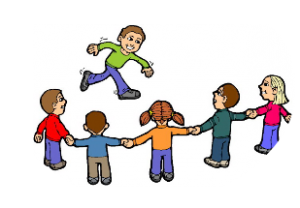
I escoltarem:
http://laurieberkner.com/music/song-lyrics/94-the-story-of-my-feelings.html

This is the story of when I cry
When I’m feeling sad that’s when I cry
And it makes me feel better
You know I feel better
After I cry
This is the story of when I laugh
When I’m feeling happy that’s when I laugh
And it makes me feel better
It makes me feel better
You know I feel even better
After I laugh
This is the story of when I yell
When I’m feeling angry that’s when I yell
And it makes me feel better
You know it makes better
You know it makes me feel better
After I yell
This is the story of when I sigh
When I’m feeling peaceful that’s when I sigh
And it makes me feel better
It makes me feel better
You know I feel even better
After I sigh
And after I cry
And after I yell
And after I laugh
You know it makes me feel better
Inclusive Education:
I have a daughter with a cerebral palsy. I’m sensitive about this problem and I reckon diversity is necessary at school if we want a better world. I know diversity needs resources from the government, specific human resources in the classroom. But in the end, people with special needs are not guilty.
We can live without learning English, but we have the right of listening English, speaking English, whatever level we have and independent how we are.