Els alumnes de l’assignatura de modalitat d’alemany han elaborat la següent revista digital en la qual han inclòs informació diversa sobre la seua vida i ciutat, la qual ha estat presentada en un acte d’homenatge a la llengua alemanya durant l’intercanvi escolar amb l’IGS Sassenburg. Gaudiu de la lectura!
Frederic Mauri, in memoriam
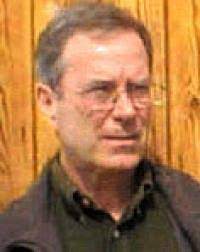
Si haguéssim de fer una definició ràpida de la figura d’en Frederic Mauri (Tortosa 1940-2019) ens expressaríem de la següent manera: era un artista molt complert, com queda ben explícit per mitjà de la seua heterogènia faceta com a cartellista, exlibrista, gravador, dibuixant i pintor. La seua pèrdua ens ha deixat un notable buit atès que era una de les grans personalitats de l’art contemporani vora l’Ebre: un dels millors artistes dels que es fan i es desfan, ja que tenim el gust de posar-li un emblemàtic afegitó poètic.
Nascut a Tortosa el 1940, si el seu amic l’escriptor Manuel Pérez Bonfill era un xiquet de la guerra, el podem considerar com a un xiquet de la postguerra. Va créixer en una ciutat dramàticament devastada per les bombes i envoltada de misèria ciutadana, sota un règim extremadament venjatiu i repressor. L’escola franquista li posar al davant les primeres lletres, basades en xenofòbies ideològiques i ideari ultracatòlic.
Format artísticament a la Facultat de Belles Arts de Barcelona, la seua trajectòria professional va lligada estrictament a l’institut de Tortosa, tal com a ell i a tota una generació d’intel·lectuals els agradava anomenar. Hi treballava amb la seua companya de vida, Araceli Boix, i va esdevindre tot un emblema de l’institut, en el qual va ser-ne professor de dibuix durant més de tres dècades. Represaliat pel règim franquista, va sofrir presó pels seus ideals
Paral·lelament, va desenvolupar una carrera artística molt interessant en els heterogenis àmbits anteriorment esmentats. Va formar part de Macla 65, un col·lectiu artístic que feia un art realista amb vocació social i popular. Hem de destacar molt especialment els seus exlibris, atès que ha esdevingut indubtablement un dels grans exlibristes del país. Un dels seus grans admiradors, el seu bon amic Manel Ollé, va posar tot l’interès en què veiessin la llum en varis volums d’un llibre que és una autèntica joia artística. En va dedicar a familiars, amics, artistes, institucions i associacions, sempre amb una generositat grandíssima. Familiarment, ens en va realitzar una d’aquestes marques de propietat llibresca en el qual destacava la cultura del llibre i la torre templera enllaçades amb les quatre barres, tot un senyal identificador per a nosaltres.
Seguidament, cal igualment destacar els seus grans dots com a dibuixant i cartellista. Dibuixava amb una gran facilitat i destresa, sorprenia la seua capacitat creativa i l’extremada elaboració de les seues creacions. Vam poder gaudir d’algunes exposicions extraordinàries, com la del 2010 anomenada Anys i treballs, dels amics Manolo i Frederic, i la darrera que va exhibir-se al museu de Tortosa i que unia les figures de Mauri i Jesús Massip. Novament podem parlar de joies artístiques de primer nivell.
El Mauri pintor l’hem pogut veure en comptagotes ja que era una persona molt discreta, el qual mai no va tindre gaire interès en la inauguració d’exposicións. Malgrat tot, compta amb una obra pictòrica extensíssima i altament valorada pels crítics artístics.
Manel Ollé és el seu biògraf després de la publicació de “Mauri essencial”, un adjectiu que defineix veritablement la grandesa de la seua obra artística. Durant el curs passat vaig tindre el plaer de tutoritzar un treball de recerca en anglès, de l’alumna Alina Malik, sobre la seua persona i obra. Era una aportació estudiantil substancial a la figura d’un dels grans artistes catalans del moment.
Sortosament, en vida ha pogut copsar aquesta estima i admiració ciutadana. Justament durant els mesos d’abril i maig vam poder veure la llum el llibre biogràfic esmentat i la darrera de les seues exposicions. A hores d’ara semblen tot un comiat, però l’obra d’un artista l’immortalitza per sempre més. Ens ha deixat un gran entre els grans de l’art contemporani nostrat! Sit tibi terra levis.
Sortida a Horta de Sant Joan
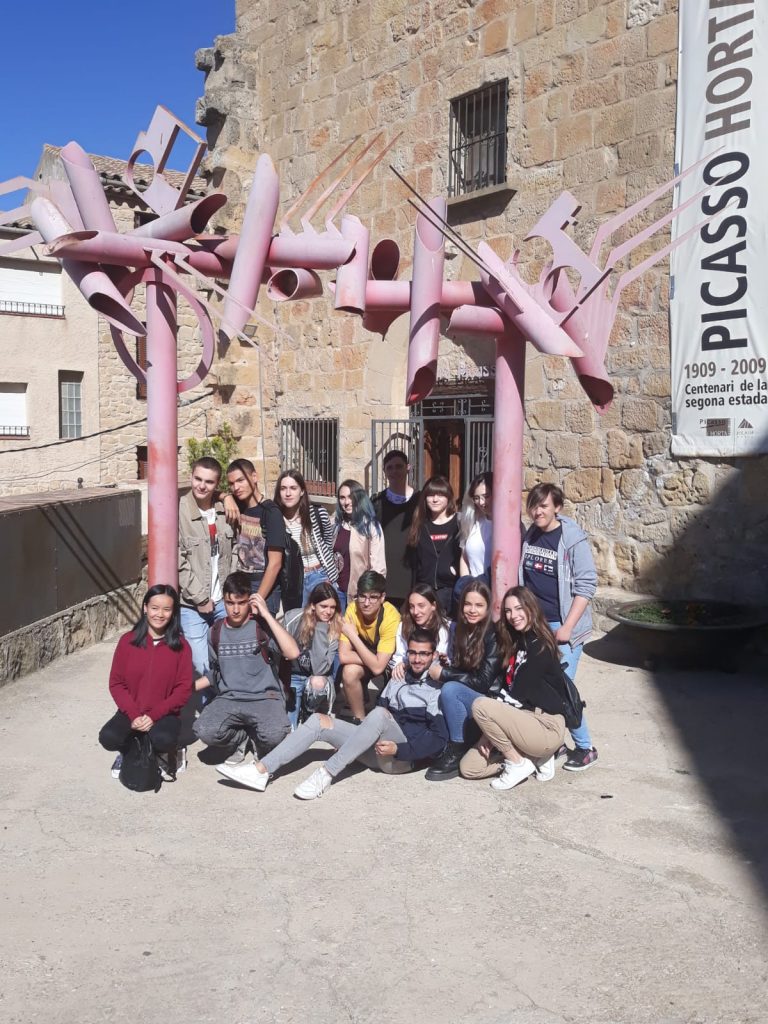
Didàctica sortida la que ha realitzat l’alumnat de 2n de batxillerat artístic als espais picassians d’Horta de Sant Joan. Com a comiat de la tutoria havien planejat aquesta visita a un dels pobles artísticament més potents de les Terres de l’Ebre, per tal de veure de primera mà un patrimoni artístic de nivell. Primerament, han visitat el museu Picasso, on han quedat entusiasmats amb el conjunt expositori en la seua globalitat: dibuixos excelsos, pintures representatives de la primera etapa cubista, fotografies picassianes, etc. Posteriorment han visitat l’antiga presó, on també hi havia una excel·lent exposició de dibuixos dels alumnes de l’Escola d’art de Vilanova i la Geltrú; la bellíssima església parroquial. Un passeig pel poble, amb els seus racons medievals i d’altres amb petjada picassiana, ha posat el punt i final a una excursió productiva i divertida.
Video promocional del centre
Els alumnes de l’optativa d’alemany de 4t d’eso han elaborat un vídeo divertit i instructiu de promoció del centre, el qual serà usat durant l’intercanvi escolar amb l’IGS Sassenburg a la tardor. Van anar visitant diversos espais de l’institut per tal d’anar transmetent informació de l’activitat acadèmica que s’hi realitza. El resultat ha estat francament satisfactori.
Poster by former student
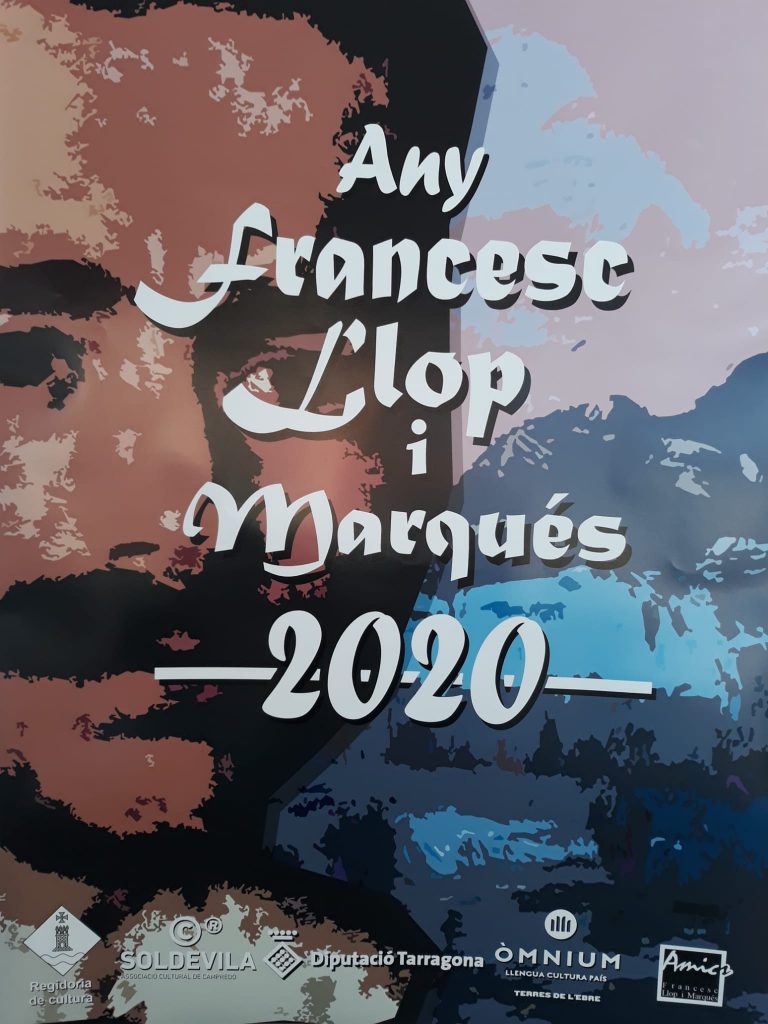 Joan Beltri, exalumne del batxillerat artístic del nostre centre durant els passats dos cursos, ha estat l’autor del cartell de l’Any Francesc Llop i Marqués, durant el qual se celebraran tot un seguit d’actes d’homenatge a la figura del pintor impressionista campredonenc (Campredó 1873-Barcelona 1970). Beltri, que estudia audiovisuals a la Universitat Pompeu Fabra actualment, va voler reflectir en el cartell el colorisme impressionista que va caracteritzar l’il·lustre pintor, que va realitzar una molt bona carrera artística a Mèxic i a Barcelona.
The Jacobites
On Thursday May 21 and Friday May 22 more than 70 students from different groups: 4t ESO C (humanistic and artistic), 1r Batx B (technological), C (scientific and humanistic) and D (business) took part in several online lessons so as to have a chat with the 4 members of ‘The Jacobites’, a Scottish traditional music band: Thoran Ferguson, Lewis Kelly, Stuart Spence i Ciaran McGhee. They could ask the Scottish musicians all kinds of questions related to the kind of music they usually play or their professional careers. They also learnt about the difficult moment all the musicians and artists are living nowadays, most specially self-employed ones. Our students could make use of their very good level of English, which was the lesson’s main purpose. The young Scottish musicians encouraged them to go on learning English as it can be very useful for their future. Besides, they told them a little bit about the Scottish accent and the way they spoke English in their country. They took for granted that knowing different dialects is very important in order to communicate with people, as there are many Englishes, all of them proper English.
“The Jacobites” have played twice in Mestràlia, a traditional music festival held in July in the little village of Campredo. They were very pleased to be in contact again with Catalan students as they remembered the beautiful enjoyable moments they had in Terres de l’Ebre.
A lesson with a Scottish musician
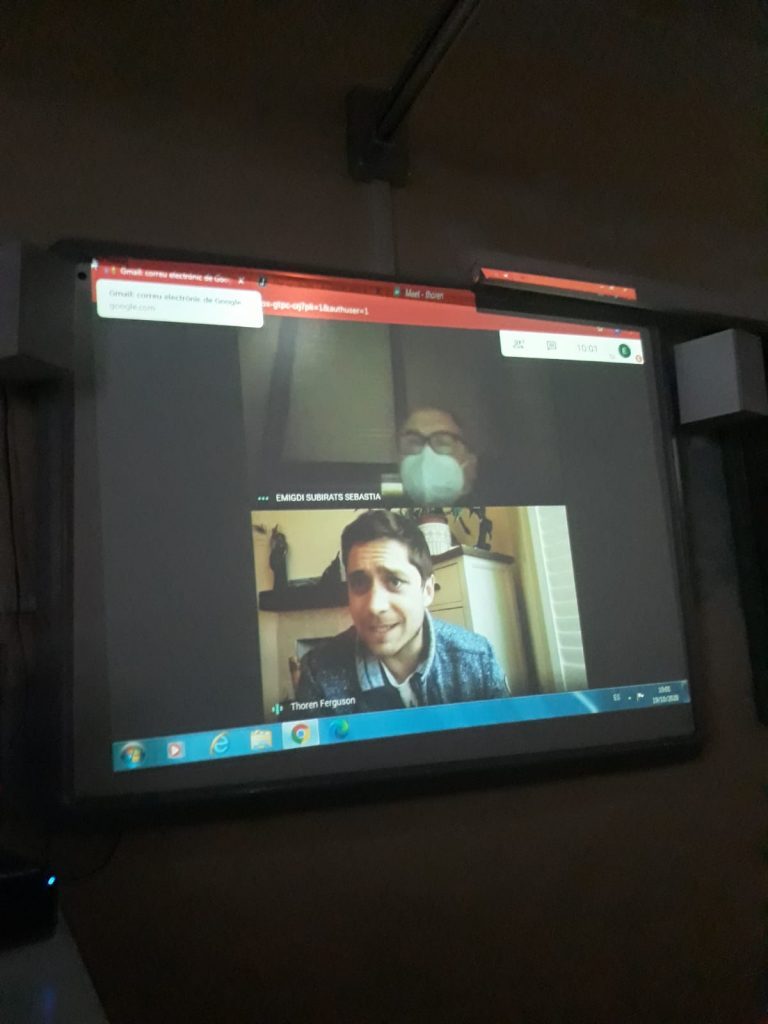
Thoren Ferguson is an actor, a fiddle player and a member of The Jacobites, a Scottish traditional ceilidh band. He is known for his work on Matriarch (2018), Armchair Detectives (2017) and Clique (2017).He comes from Edinburgh and kindly joined an online lesson last Monday 19th October.He was being interviewed by teacher Emigdi Subirats, who was asking him about lots of different matters related to Scotland: the city of Edinburgh, celtic music, the kilt as traditional wearing, the Jacobites career, the current coronavirus situation in the country, Scottish politics, the gaelic language, the Loch Ness legend, football, drinking and eating habits, and so on.Our 15-year-old students in grade 4 class D (artistic and humanistic) had the chance to listen to him. They could learn a great deal of things about Scottish culture, also they could hear the Scottish accent, as a clear example that there are many Englishes spoken around the English speaking countries.It was a very interesting lesson for our students. The group’s mentor teacher, Maria José Darder, also attended the lesson. We must be very thankful with musician Thoren Ferguson, as it’s the second time that he gives a speech to our students. During lockdown in May all the four members of The Jacobites had an online lesson with students from different grades and classes.
Scottish Architect and Musician Lewis Cullen took part in another online lesson
Scottish architect and musician Lewis Cullen took part in another online lesson with 15-year-old students in grade 4 (business studies), 4t ESO C econòmic in Catalan. He was being interviewed again by teacher Emigdi Subirats, who was asking him about anything related to Scottish music, leisure, geography, language, myths, sport and politics. It was a very interesting conversation as our pupils could be listening to an English native speaker for an hour about .
Lewis Cullen, also Thoren Ferguson who took part in another online lesson last week with students in grade 4 (humanistic and artistic), are members of the ceilidh band (traditional music) The Jacobites. A third member, Stuart Spence, sent us a very funny and interesting video, which could also be watched by our Students. We must thank all of them for their generosity and kindness.
Catalan Modernist Art
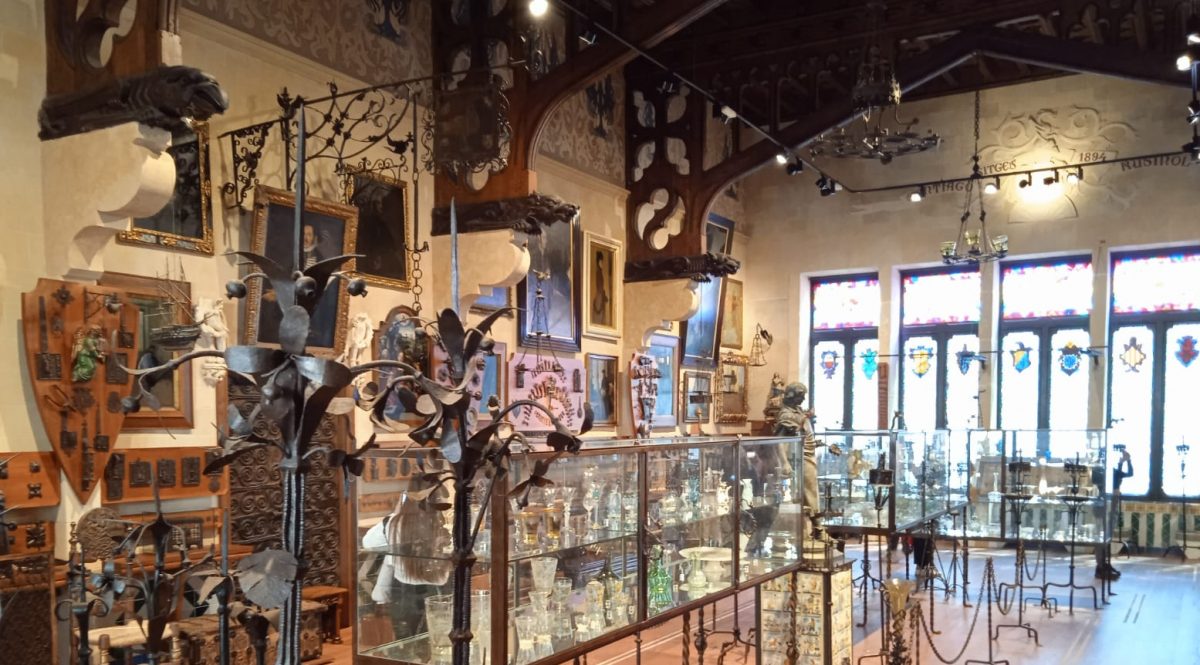
You can watch and enjoy several videos, which have been recorded by 15 and 16-year-old students, who are following both humanistic and artistic studies. They have been learning about two mythical places as for Catalan modernist art: Cau Ferrat in Sitges and Els 4 Gats in Barcelona. Needless to say that they have made a great work summarising the information and adding pictures accordingly. Thus, they have found out quite a lot about a fascinating artistic movement through which Catalonia became the center of the artistic movement of the time, at the beginning of the XX century.
The Jewish Quarter and Celio Tower in Tortosa
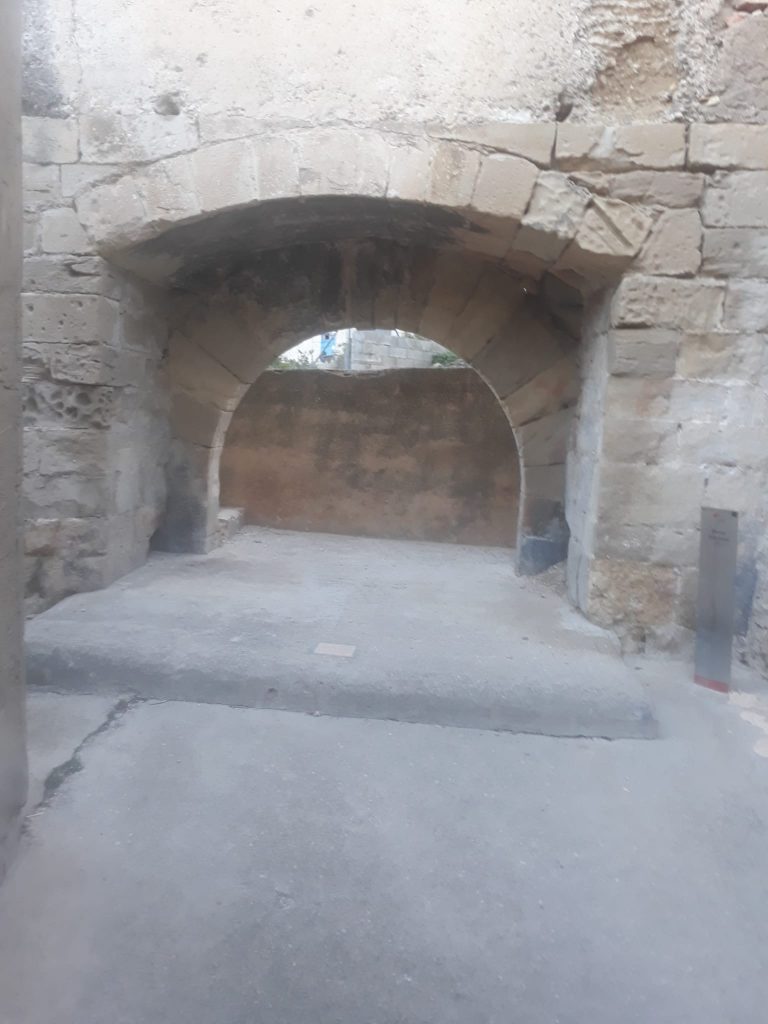
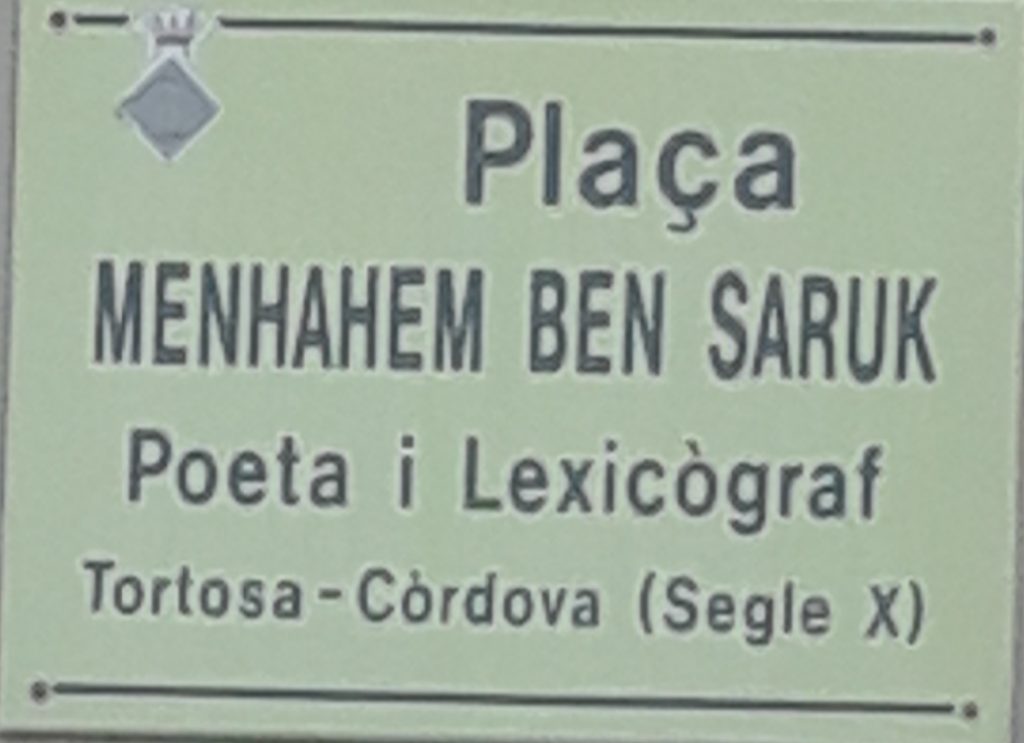
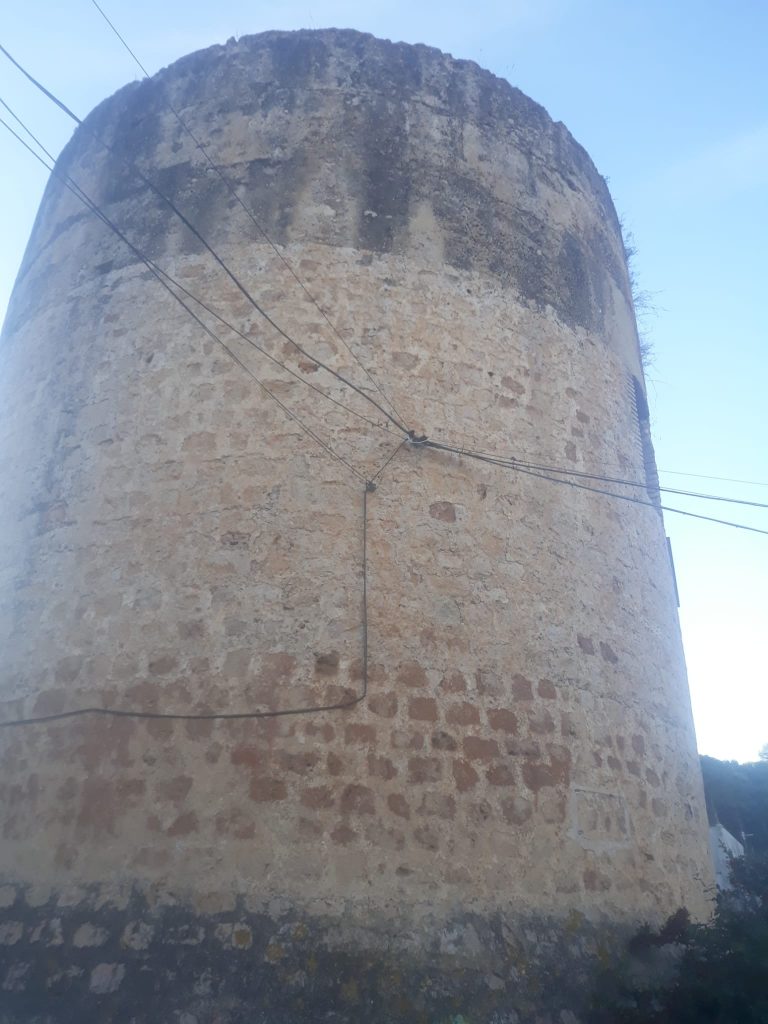
Our humanistic and artistic students in grade 4 (4t ESO D) had the chance of visiting the Tortosa Jewish Quarter on Thursday 4th December. They followed an English tour within the Quarter, and could have a look at the famous Iron gate, the synagogue, the butcher’s shop, the baker’s AND the different Medieval wells in the place. They could also hear about Menahem Ben Saruq, a very famous lexicographer from the X century born in the quarter, who wrote the Mahbered, the first dictionary on Biblical terms. They were able to walk across the narrow streets (some very characteristic ones) and breath a little bit of the Medieval atmosphere. They were given some documents in English to follow the explanations properly. At the Celio tower they could learn about the three cultures featured in ancient Tortosa: Christian. Jewish and Arabic