Learning Situation ‘Art for life foundation’

Since 1988, Art for Life https://artforlife.org/ has focused on creating programmes that help kids who are undergoing physical, emotional or mental crisis to use art as a way of helping them work through and with their illness. They empower kids from an early age through their teens to embrace art as a way of expressing how they feel during what is a very scary and difficult time for them. All their programmes focus on different aspects of the healing process. From their award-winning ART WHILE YOU WAIT PROGRAMME in Emergency rooms to Oncology, Cardiology, Pallative Care and children’s Hospice programmes that use art as a way of healing families who have lost a child. Art for life is there. Somewhere every day through their network of programmes nationwide they are helping kids and their families to use art as a form of self-expression and in doing so they find a way of moving through their illness into wellness.
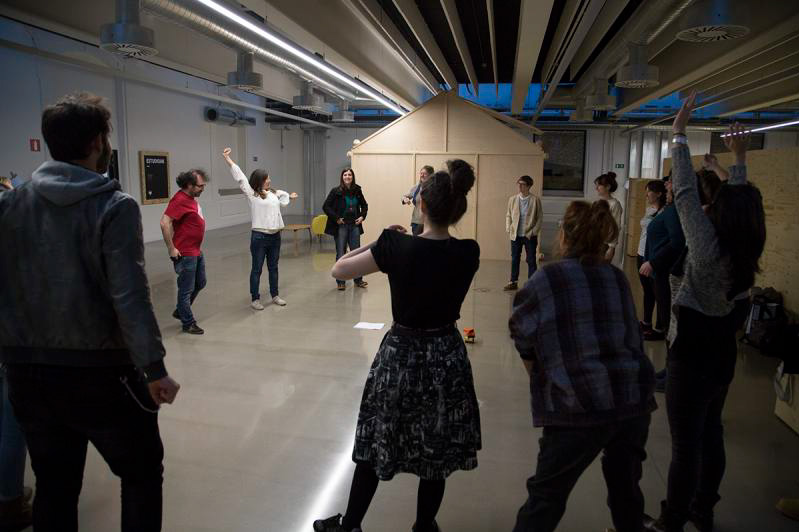
Our students (in Group F) in the second year of High School ‘Batxillerat’ (Catalan A-levels) have been carrying out a large number of activities related to a Learning Situation called ‘Art for life foundation’.
We asked them a question. What do you reckon of their work? What does it imply for our society?
This learning scenario intends to develop SDG 4 (Quality Education) of the United Nations Sustainable Development Goals. Students will need to determine whether this goal can be reached given the current approach of pupils to art throughout the world. To do this they will need to find information on the way art has been taught at schools (since the mid 20th century up to the beginning of the 21st century, particularly in Europe), and develop critical thinking to see if things have changed, remain the same or have worsened, as well as to infer what should be done.
The development of this LS includes two initial activities (a brainstorming and a discussion), two development activities (with listening, speaking and reading comprehension), one consolidation activity (a book club) and two implementation activities (a booktuber video and a
discussion essay), one of which is used for summative assessment. This will also allow them to work on narrative essays, connectors, past tenses and -ed & -ing adjectives.

CHALLENGE: During lockdown (in spring 2020) both art and music took a major role as far as people’s (all ages) entertainment at home was concerned. Nowadays most hospitalised children have access to all kinds of online resources related to artistic development as well. How can we all help to expand art among sick children, as much in hospital as at home?
They have created an online magazine with all the stories they have written about the relationship between art and healing kids’ illnesses, which we are going to display on our school website.
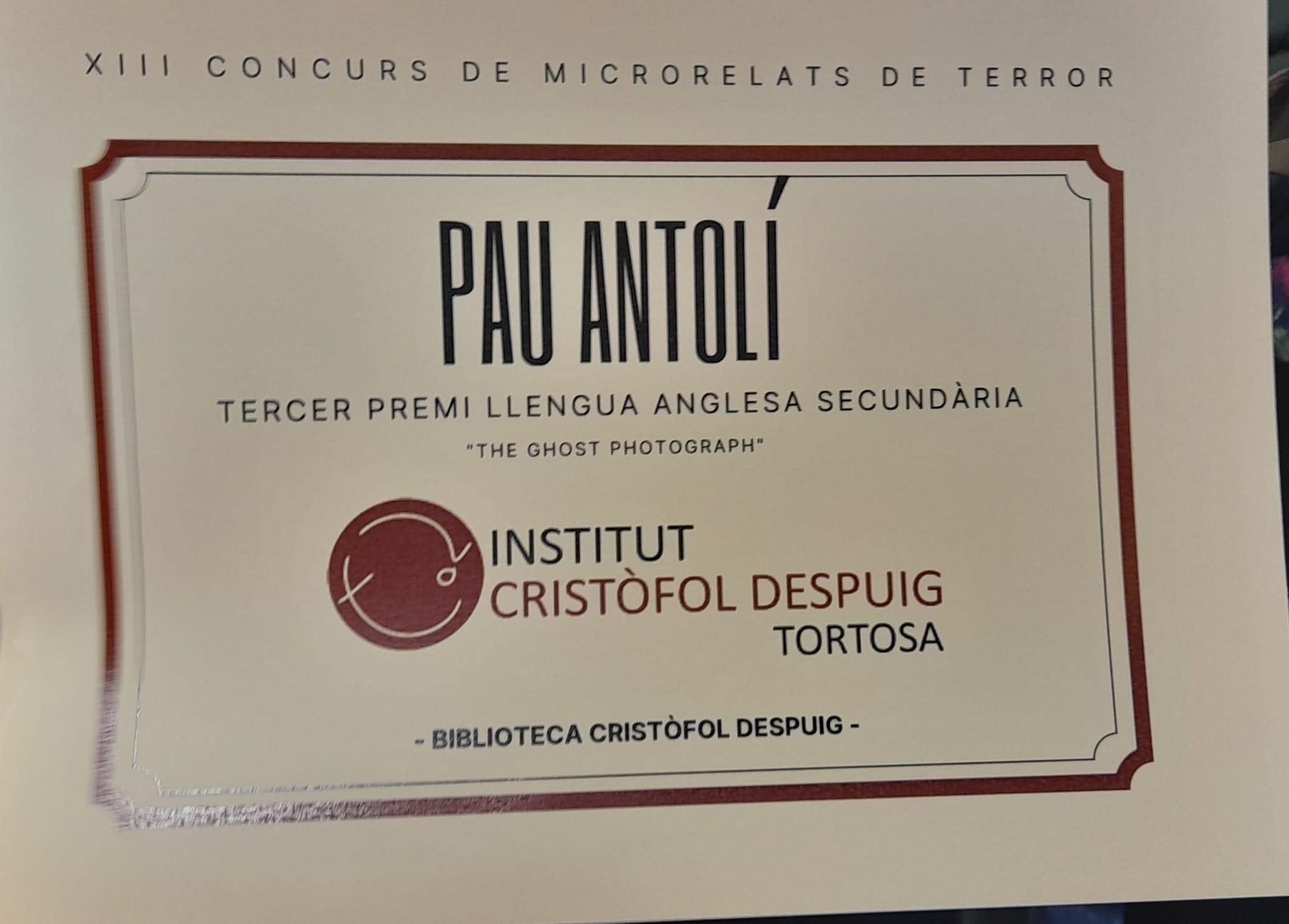
The Ghost Photograph, de Pau Antolí, premiada al Concurs de narracions de terror de l’Institut Despuig

The Ghost Photograph

A few years ago, a group of youngsters are said to have gone on an outing to the mountains. I am talking about Jonathan, an athletic and handsome man, his girlfriend Olivia an intelligent and gorgeous girl, and Jack an introvert and shameful teen.

Everything was going perfectly when suddenly they realized that they were lost in the middle of the grove.

They got very scared and started to spin nonstop without knowing what to do. They saw a woodcutter in the distance, and they came nearer to talk. The man told them that there was a town nearby called Lochley, and he could take them there.

Along the way, they talked about the woodcutter’s life. A married man with two children. His name was Harry. They gained a lot of confidence, and they decided to take a picture with Harry, even though he didn’t want to.

While entering the town with the car, they realized that the woodcutter was no longer there as he had disappeared. The group of frightened young people entered the first store they saw open and told the owners everything that had happened to them. A woodcutter named Harry had driven them there because they had gotten lost.

Pale as the owners were, they  told them that the man had died in an accident several years ago.

Immediately, the young people reviewed the photograph they had taken with the mobile and realized that Harry was not in the picture.

Spooky surprise Spooky halloween, d’Èric Serres, premiada al Concurs de narracions de terror de l’Institut Despuig

SPOOKY SURPRISE, SPOOKY HALLOWEEN

Moonlight was the only thing trying to illuminate my little house on Halloween night. The lights had gone off and I was in the middle of a creepy house I didn’t know at all. When I moved to Yellowmass a week ago, a friend of mine who  lives in a nearby city warned me about this village. He told me: “-People there are a little bit special, they are keen on celebrating traditions in the most realistic way”. Although I really wanted to start a rural life in Yellowmass, I quickly changed my mind after that Halloween. And there I was, lost inside the darkness after making a huge error.

The house was so new to me that I could not recognise any wall without illumination. Confused by darkness, I started to walk along a corridor. In the middle of my walk I felt the footsteps of someone above, the roof was shivering. I started to run towards the end of the corridor, where I thought there was one of the bedrooms. My plan was to hide under a bed and wait for the lights to return. My horror was getting bigger and bigger. All of a sudden, I noticed that the area was not a bedroom, it was a store room full of boxes. I had taken the wrong way.

I was about to start panicking when the moonlight of the window let me see a baseball bat on the floor. It was a bat I had had since I was eleven years old. I grabbed it to use it as a weapon and then, all of a sudden, an amorphous creature appeared behind the window. I started running following the initial route, my legs were moving on their own. While running through the kitchen, I saw a shape staring at me through the window that made me dash even faster.

Once I arrived at the bedroom, I heard the feet of someone hitting the treads of the stairs that lead to the corridor next to the room I was in. A little bit confused, I entered the bathroom of the chamber. I went directly to the bathtub, I thought it was a good place to hide. While I was walking, I thought about the fact that the house I was living in was haunted, terror was growing inside my mind. One second before my hand started moving the curtains of the bathtub, I remembered that I hadn’t closed the back garden gate.

After I had completely drawn the curtain of the bathtub, I recognized the figure of a child in front of me. That was the scariest moment of my life. I started screaming and I let the baseball bat fall. The child started laughing maliciously as well as two other young people that had entered the bathroom after the shock. In the middle of despair and chaos, one child said to me: “-If we ask for candy, you must give us candy. Make sure to buy some for next year. Did you enjoy this trick?” The three children ran away, leaving me petrified and surrounded by darkness.

Àlex Castells, músic i trompetista, in memoriam

Àlex Castells, músic i trompetista, in memoriam

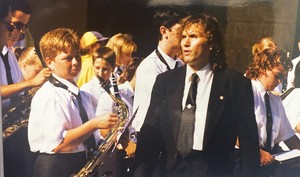
El passat 12 de gener la dama negra va vindre a visitar un entusiasta de la música, Àlex Castells i Juste, que ens deixava als 55 anys a causa d’una llarguíssima malaltia. Professionalment va ser un músic molt estimat i valorat. Va endegar els seus passos musicals de molt jovenet a la Banda de Cornetes i Tambors Grup Xiquets Balmes del seu poble natal, Santa Bàrbara, de la qual era director el seu pare, Alejandro Castells i Arasa. Primerament, va formar-se al conservatori de Tortosa, per posteriorment continuar els seus estudis a Barcelona i a l’estat francès.


Posteriorment, va formar part d’una de les habituals xarangues festives tan típiques de la nostra Festa Major, que va sembrar alegria vora l’Ebre i el Baix Aragó. La seua trajectòria va portar-lo a formar part d’una orquestra professional de Port Aventura que va actuar durant uns mesos al Japó. Va deixar petjada allargada com a director de la Banda de Música de l’Ametlla de Mar. A l’encop, va ser un excel·lent trompetista, que va ser convidat a tocar amb algunes orquestres de gran nivell.

Va sofrir una greu malaltia ara fa 18 anys que va apartar-lo de la seua passió musical i de la vida pública completament. El destí li causava una mala passada, com es diu popularment. L’esperaven uns anys de sofriments, de desconeixement d’allò que passava al seu voltant, d’impossibilitat de creixement professional o de gaudir de la seua gran passió.
Vaig compartir amb ell dos anys inoblidables a l’institut de Tortosa. Ni ell ni jo mai vam usar el nom que portava el centre en aquell temps ja que érem joves idealistes i antifeixistes. Compartíem una passió descomunal pel Barça, en un període en què només vam poder gaudir de la lliga de 1985 amb l’anglès Terri Venables a la banqueta, i amb jugadors tan significatius com Schuster, Archibald, Urruti, Migueli, Julio Alberto o Alexanko. Cursàvem el batxillerat de lletres, amb formació profundament lletrada. Personalment m’inclinava per l’afició de l’escriptura, ell m’inundava d’entusiasme musical. Parlava tostemps del món de les bandes, de les potencialitats professionals, dels diversos tipus de trompeta, que gairebé em coneixia ja de memòria. Literatura i música, Barça i moments de lleure, ens agermanaven en tot moment.
Posteriorment, m’enorgullia dels seus èxits professionals, malgrat les dificultats perennes per guanyar-se la vida en qualsevol fenomen artístic al nostre país. Va tindre la sort de gaudir d’experiències inoblidables amb orquestres com la de TVE a la capital de l’estat o en terra nipona. Sempre enraonava amb entusiasme sobre el futur aprenentatge, envers allà on volia arribar.
Sentia molt d’orgull pel progrés dels xiquets i de les xiquetes que formaven part de la Banda de música de l’Ametlla de mar. Em feia cinc cèntims de llur potencialitat. Estimava la banda i la seua gent, se sentia un calero més, ja que havia tingut una rebuda extraordinària. Feia plans pel seu creixement, se sentia plenament realitzat.
Àlex era una persona entusiasta, que transmetia positivisme, que volia autosuperar-se. La seua vida anava a redós d’un instrument, amb el qual volia arribar a l’excel·lència. Tot el seu món era la música, que li permetia créixer com a persona. Ell era un humanista amb tota profunditat de pensament. Creia en la funcionalitat de la música com a transmissora de tota mena de valors humanistes. Eren justament aquests valors els que l’encoratjaven a no defallir, a fer recerca constant, a buscar nous sons, a creure en l’excel·lència com a culminació de l’artista.

El seu decés ha causat commoció en el món de la música. El seu caràcter amable i divertit es mesclava amb la seua gran categoria professional. Hem perdut un gran trompetista i agent musical. Sobretot, ens ha deixat una persona entranyable que va dedicar-se en cos i ànima a la seua formació.
Vull morir len-ta-ment com les acàcies, que arriba l’abril i ja no rebroten, Gerard Vergés dixit. El vers del mestre entre els mestres de la nostra poètica, em permeten dir l’adéu sentit a un dels millors amics d’adolescència i músic admirat. Estimat Àlex, al gener ha arribat el teu abril! Sit tibi terra levis!

Ein neuer Literaturweg auf Deutsch/ una nova ruta literària en alemany

Literatur genießen – inmitten der reizvollen Landschaft des Parks. Gaudeix la literatura, en mig del ric paisatge del parc

Auf einen sonnigen Junimorgen (En un dia assolellat de juny) és el nom de la nova ruta literària en alemany, que ha agafat com a base diferents espais del parc municipal Teodor González. Està destinada a alumnes d’alemany de 1r de batxillerat del nostre centre, tot i que es pot adaptar per portar-la a terme també amb els de 3r i 4t d’ESO. El nom homenatja la primera frase de la famosa història Heidi, una xiqueta que gaudeix com ningú de la natura als Alps Suïssos al costat del seu iaio, a la qual li passen aventures dissortades diverses.

Té el punt d’inici al passeig principal, on s’analitzarà la vida i obra de Johanna Spiry, l’autora justament de l’esmentat clàssic de la literatura infantil. Posteriorment, davant de la locomotora del Carrilet s’homenatjarà la figura de la poeta local Zoraida Burgos (Tortosa, 1933), bona coneixedora de la llengua alemanya. Davant del restaurant del Parc es representarà un diàleg gastronòmic. Just al costat de la Llotja medieval, es remembrarà la figura de Roc Llop i Convalia (Miravet, 1908 – Vitry-sur-Seine, 1987), poeta que va sofrir la llopada al camp de la mort de Mauthausen-Gusen entre 1941 i 1945. Es llegiran les diferents traduccions del seu poema vibrant Aquella mort, guanyador dels Jocs Florals de l’exili a París el 1965. Finalment, a l’espai Gerard Vergés, es recordarà l’obra del gran poeta tortosí, així com es farà esment dels grans clàssics de la literatura alemanya com Goethe, Schiller, Rilke, Hesse o Kafka.


Sweet rumble of water in memory

Sweet rumble of water in memory is a new literary trail to carry out in the Teodor González Municipal Park, whose name was taken  from a famous verse by local poet Gerard Vergés, Dolça remor de l’aigua en el record, which wa translated into the Shakespeare’s language. Students will be walking along the park, in which there will be several spots so as to talk about famous writers who have had some kind of relationship with the town. As a final step, they will be reading a short outstanding text of their works.

The starting shot will be at the central Promenade, in which they will be analysing historical North-american poet Thomas S. Eliot, whose poem book “The Waste Land” influenced poet Gerard Vergés’s style so much. The second spot will take place just in front of the Narrow Railway Engine, called El Carrilet, where they will tell about famous Sylvia Plath, whose poetry local poet Zoraida Burgos knows so well. Nearby there is a monument related to the 1936-39 Civil War, just the right place to talk about Nobel Prize winner Ernest Hemingway, who spent a fortnight in Tortosa in April 1938 and wrote the most famous articles about the terrible bloody bombings that the city suffered from the Italian and German fascist armies. The modernist opening stairs was the place chosen to talk about reknown  poet Zoraida Burgos (Tortosa, 1933), who translated the famous Letter from the prison of Birmingham by human rights fighter Rev. Martin Luther King Jr. At the famous medieval Corn Exchange building, the works of Welsh jubenile writer Ronald Dahl will be analysed. Last but not least, at Vergés literary space students will talk about his relashionship with the English language, his gorgeous translation of All Shakespeare’s poets, and the different translations of his own poetry books into English.

The better the writers, the more you can enjoy a literary route!