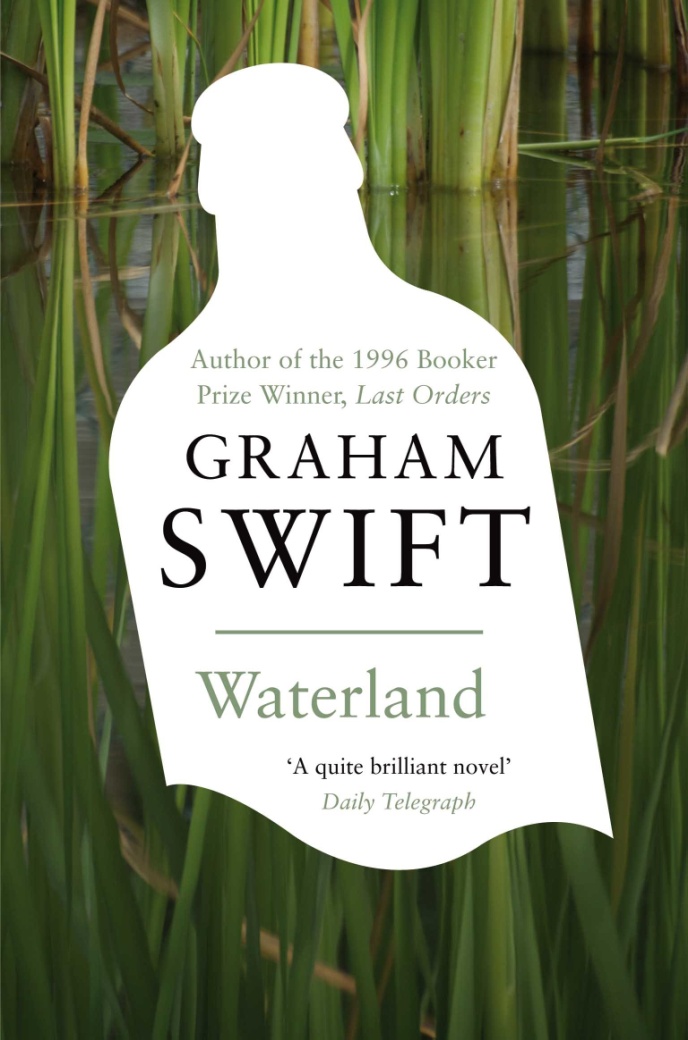
Waterland is known to be one of the best contemporary novels of twentieth-century British literature. As contemporary, it is written in different times so that the reader has to figure out the whole story, which takes place in The Fens in East Anglia.
The tale begins when Tom Crick, a future history teacher, is a Fenland teenager in wartime (Second World War), whereas nowadays, he is forcibly retiring on account of a story, which really started in his youth. The author uses the main character’s profession so as to show the history of that UK region bound to work against water, as well as put forward several quirky philosophy lessons always related to history.
Indeed, little would anyone guess the teacher’s close family story, which surprises; though I prefer the history about The Fens told through the whole family. With the former You amuse, while with the latter You will be able to learn about a self-made region, finding out thoroughly portrayed interesting jobs such as dredger, brewer, sluice keeper, mayor, and their influence on its economic development as well.
Furthermore, for a reader who enjoys with philosophy, the teacher’s lessons could be cool because of the especially human approach, without dates, battles, or heroes. Absolutely different.
All in all, a bit difficult book owing to its culture level, albeit rather interesting. Having won two awards, it is known as the author’s premier novel. Since You will learn a lot of English and Culture, Should You have some books read You will have to try it!
Here You have some words:
Children, be curious. Nothing is worse (I know it) than when curiosity stops. Nothing is more repressive than the repression of curiosity. Curiosity begets love. It weds us to the world. It’s part of our perverse, madcap love for this impossible planet we inhabit. People die when curiosity goes. People have to find out, people have to know. How can there be any true revolution till we know what we’re made of?
Albert Pardo Ramírez
English
C1
Waterland és coneguda per ser una de les millors novel·les contemporànies de la literatura Anglesa del segle vint. Com a contemporània, està escrita en diferents temps per a que el lector tingui que desxifrar el conjunt de la història, la qual té lloc en The Fens a Est Anglia.
El relat comença quan Tom Crick, un futur professor d’història, és un jove de Fenland en temps de guerra (segona guerra mundial), mentre a l’actualitat, ell és forçosament jubilat degut a una història, la qual realment va començar en la seva joventut. L’autor utilitza la professió del protagonista per a mostrar la història d’aquesta regió del Regne Unit forçada a treballar contra l’aigua, així com exposar varies peculiars lliçons de filosofia sempre relacionades amb la història en general.
Es ben cert, que poc esbrinaria ningú la història de la família propera al professor, la qual sorprèn; encara que jo prefereixo la història de The Fens contada a través de tota la família. Amb la primera et distreus, mentre que amb la segona podràs aprendre al voltant d’una regió feta a si mateixa, trobant meticulosament caracteritzats interessants oficis tal com dragador, cerveser, vigilant de resclosa o batlle, així com la seva influencia en el desenvolupament econòmic.
A més a més, per a un lector que gaudeixi amb la filosofia, les lliçons del professor poden ser divertides degut a l’especial vessant humana. Totalment diferent.
Considerant-ho tot, un llibre una mica complicat pel seu nivell cultural, encara que força interessant. Havent guanyat dos premis, és coneguda com la primera novel·la de l’autor. Perquè n’aprendràs molt anglès i cultura, si tens alguns llibres llegits hauràs d’intentar-ho!
Albert Pardo Ramírez
Anglès
C1