
Module 1
Introduction to Digital Competence in the curriculum. Cyber Wellness: Nurturing responsible students with Digital Identity and Citizenship
I think students should watch this video and then take a moment to reflect on how dangerous everything can become.
Module 2
PLN and MOOCs: Learning with Social Media.
Here’s my symbaloo link.
https://www.symbaloo.com/mix/engagess
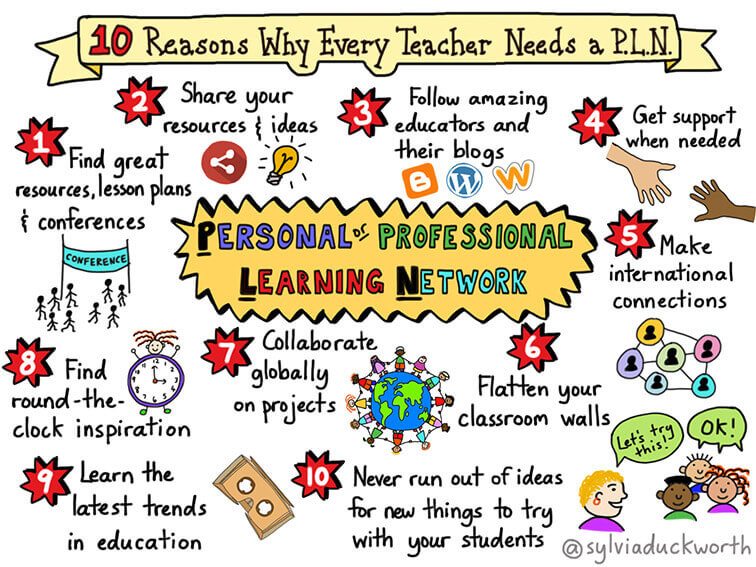
In the book Personal Learning Networks: Using The Power of Connections to Transform education, the authors highlight 7 benefits when embracing this shift toward a more globally networked learning culture for students and teachers:
-
1- Students are better prepared for life
-
2- Classrooms are more engaging
-
3- Students are responsible for their own learning
-
4- Instruction is more individualized
-
5- Adults become better at their jobs and build problem-solving capacity
-
6- Students are safer
-
7- Schools save time and money
Module 3
Empowering Students learning with Digital Portfolios. Google Sites.
Portfolio as Showcase
To present the final product of a learning process to an audience, there are several solutions too.
-
Issuu. This online magazine is created in minutes with a stunning presentation simply by uploading a text document, pdf or powerpoint presentation that you wish to make over into an online magazine. Here is an example of an architecture student’s final portfolio.
-
Google Sites This simple web solution allows professional portfolios like this example of a college student or a teacher’s class or a Catalan teacher’s portfolio
-
Webpages like WordPress make effective portfolios too. Here is an example by Mar Camacho. Wix is also a powerful tool. Other simple but effective tools are Jimdoor Weebly.
Module 4
M-learning. Communicate on the go with must-have apps
All mobile devices, tablets, phones, laptops enable users to learn on the go, on demand, on the spot.
And it is not just our beloved teens who are glued to the screens. It is a worldwide phenomena, including developing countries for the first time.
Harnessing this type of learning seems to be the latest hype, as with m-schools born within the Barcelona Mobile World Congress.
What does mobile learning involve? How can it be fostered within and outside the classroom?
Module 5
What is Digital Storytelling?
Digital storytelling is the practice of using computer-based tools to tell stories. There are other terms used to describe this practice: digital stories, computer-based narratives, digital essays, electronic memoirs, interactive storytelling, etc.; but in general, they are all about combining the art of telling stories with a variety of multimedia, including images, audio, video…
Most digital stories focus on a particular topic and contain a specific point of view, as it happens with traditional storytelling. However, as the name implies, digital stories usually contain some mixture of images, text, recorded audio, videos,music… Digital stories can vary in length, but most of the stories used in education typically last between 2 and 10 minutes. The topics used in digital storytelling range from personal tales to the telling of historical events, exploring life in one’s community,
Despite its emphasis on computer technology, digital storytelling is not a new practice. In the field of education, teachers and their students, from early childhood classrooms through graduate school, are using digital storytelling in many different content areas and across a wide range of grade levels.
Module 6
Visual Knowledge Representation.
A Visual Manifesto
Currently we live in a media-driven age, interacting with image-saturated screens for hours. Text and multimedia are entwined to communicate information effectively. At times, to manipulate ruthlessly.
Our culture has become visual for good. What about education? Is visual literacy required in schools? Learning to identify, read, understand and create images and acknowledge their social impact may provide students with powerful tools to make sense of their world and participate in it critically.
Studies confirm the power of visuals in learning, as they are stored in the long-term memory. Words, instead, tend to be processed by the short-term memory, and therefore, sooner forgotten. Visual cues transmit information faster, improve comprehension, trigger emotions and motivate learners if used properly.
Images have been a traditional means of communication. Although in the Post-Gutenberg era the written word took over the center of communication stage for a few centuries, images have regained ground since the invention of photography.

Deixa un comentari