We have been using the wordreference to translate words from Catalan or Spanish into English. Students have been using their mobiles phones to work together.

We have been using the wordreference to translate words from Catalan or Spanish into English. Students have been using their mobiles phones to work together.
Activity: Brainstorming
WHAT DO YOU KNOW?
Some of them in English:
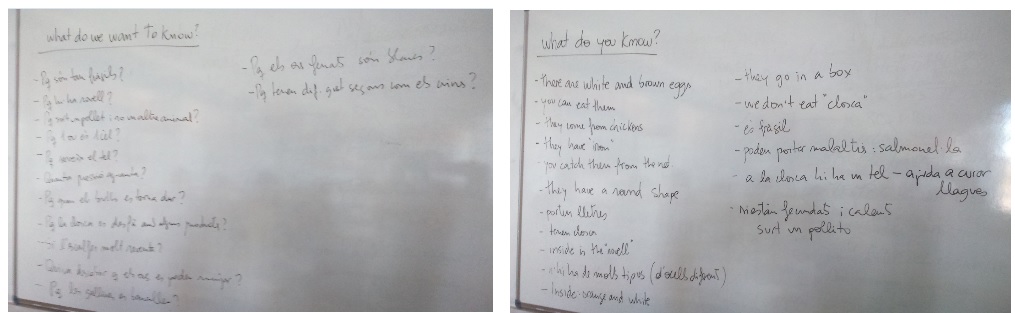
there are white and brown eggs / you can eat them / they come from chickens / they have iron / you catch them from the net / they have a round shape / inside you fins the “rovell” / inside is orange and white / they go in a box / we don’t eat “la closca” /
Some of them in Catalan:
porten lletres / tenen closca / n’hi ha de molts tipus d’ocells diferents / és fràgil / poden portar malalties: salmonel.la / a la closca hi ha un tel que ajuda a curar llagues / si estan fecundats i calents surt un pollet /
WHAT DO YOU WANT TO KNOW?
Per què són tan fràgils?/ Per què hi ha rovell? / Per què surt un pollet i no un altre animal? / Per què un ou és una cèl.lula? / Per què serveix el tel? / Quanta pressió aguanta? / Per què quan els bulls es tornen durs? / Per què la closca es desfà amb alguns productes? / Si l’escalfes molt reventa? / Qui va descobrir que els ous es poden menjar? / Per què les gallines es barallen? / Per què els ous ferrats són blancs? / Per què tenen diferent gust segons com els cuinis?
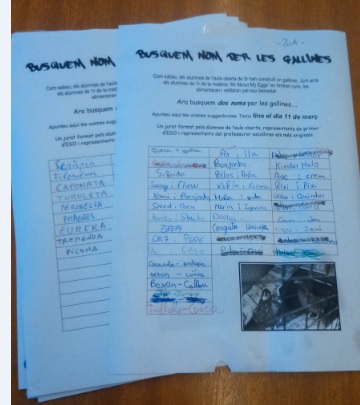
Estem buscant nom per a les 2 gallines de l’institut. Hem col.locat fulls a cada classe per tal que la resta de companys/es de l’institut facin aportacions amb idees de noms ben originals.
Entre els alumnes de 1r de l’optativa “All about my eggs” i els alumnes de 3r d’ESO de l’AULA OBERTA que han construït el galliner, triarem els noms que més ens agradin d’entre tots els proposats.
Once finished the 2nd term it’s time to make a review: what have we learnt?
–LAIA: és millor comprar ous del 0 i de l’1 / hem après què mengen les gallines
–PAU: les gallines del 0 i de l’1 estan a l’aire lliure / hem après la classificació dels animals / hem après a fer simetries
–TUDOR: les gallines del 3 estan en gàbies
–JENNI: hem après el cicle de vida de les gallines / hem fet experiments amb ous / hem après el nom del material de laboratori / hem après el nom de molts ocells
–JOSEP: el vinagre dissol el calci de l’ou / què és l’osmosis / el foc pot crear el buit en un recipient tancat
–ALBA: els ocells canten de diferents maneres
–FERDAOUS: hem après les parts de les gallines en anglès / com fer decoració amb oueres
–JUDIT: els ocells tenen més de 200 cançons
–MARI: hi ha gallines que no estan lliures
–AIDA: a les gallines del 3 els tallen el bec i les ales
These are our portfolios:
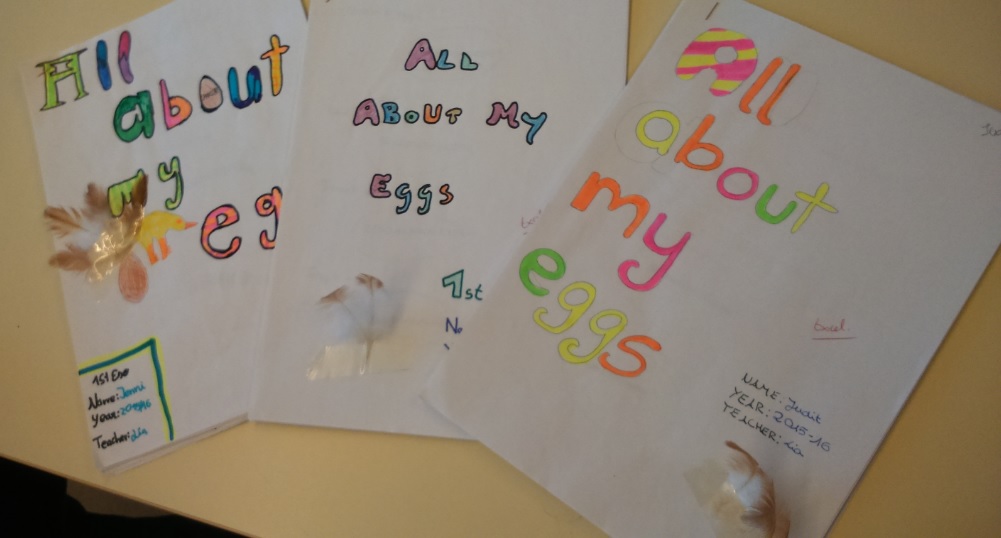
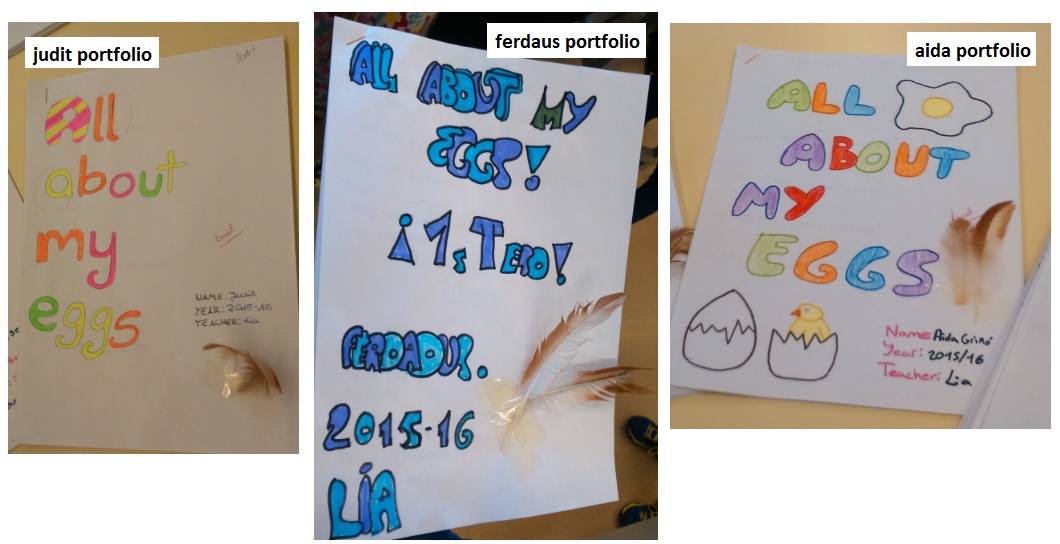
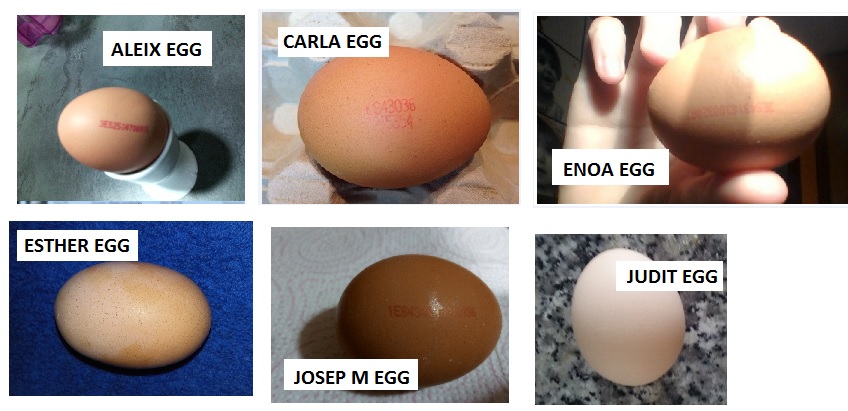
We looked into our fridge and made some photos of our eggs. We studied the numbers and the letters printed on them. We learnt that the first number shows us the way the hens have been living: free, on the floor or in a cages. We have seen that most of us buy the eggs with number 3.
We have discussed the advantages and disadvantages of each type of egg.
També hem pogut comentar la diferència entre data de caducitat i data de consum preferent.

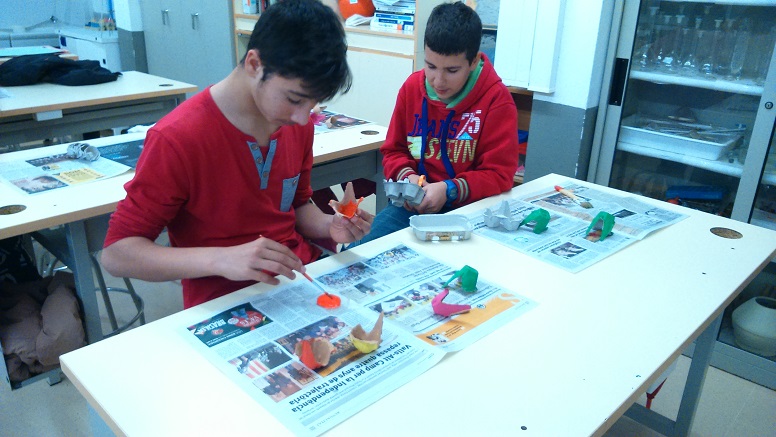
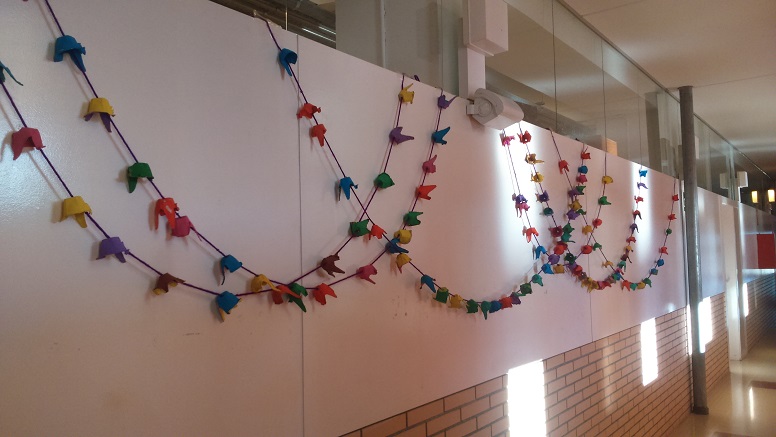
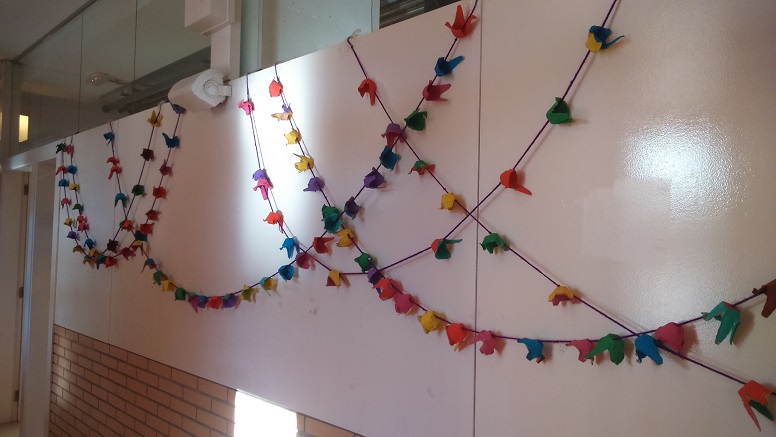
Activity: let’s make a garland with eggs cartons
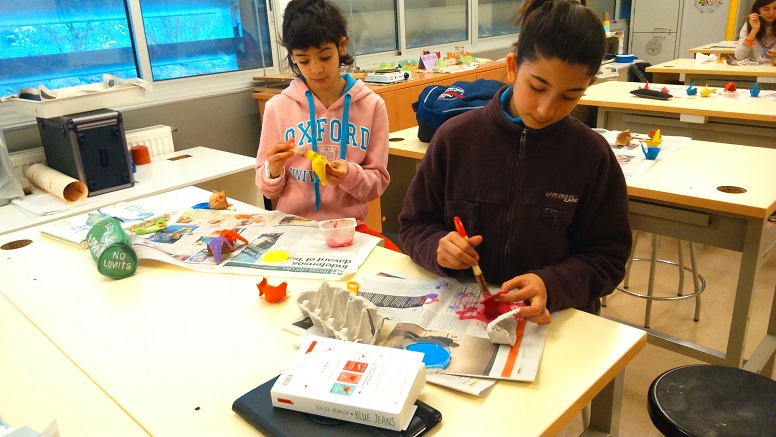
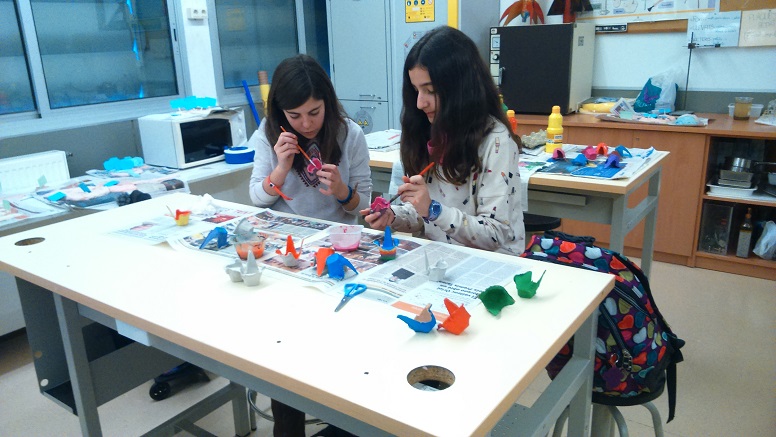
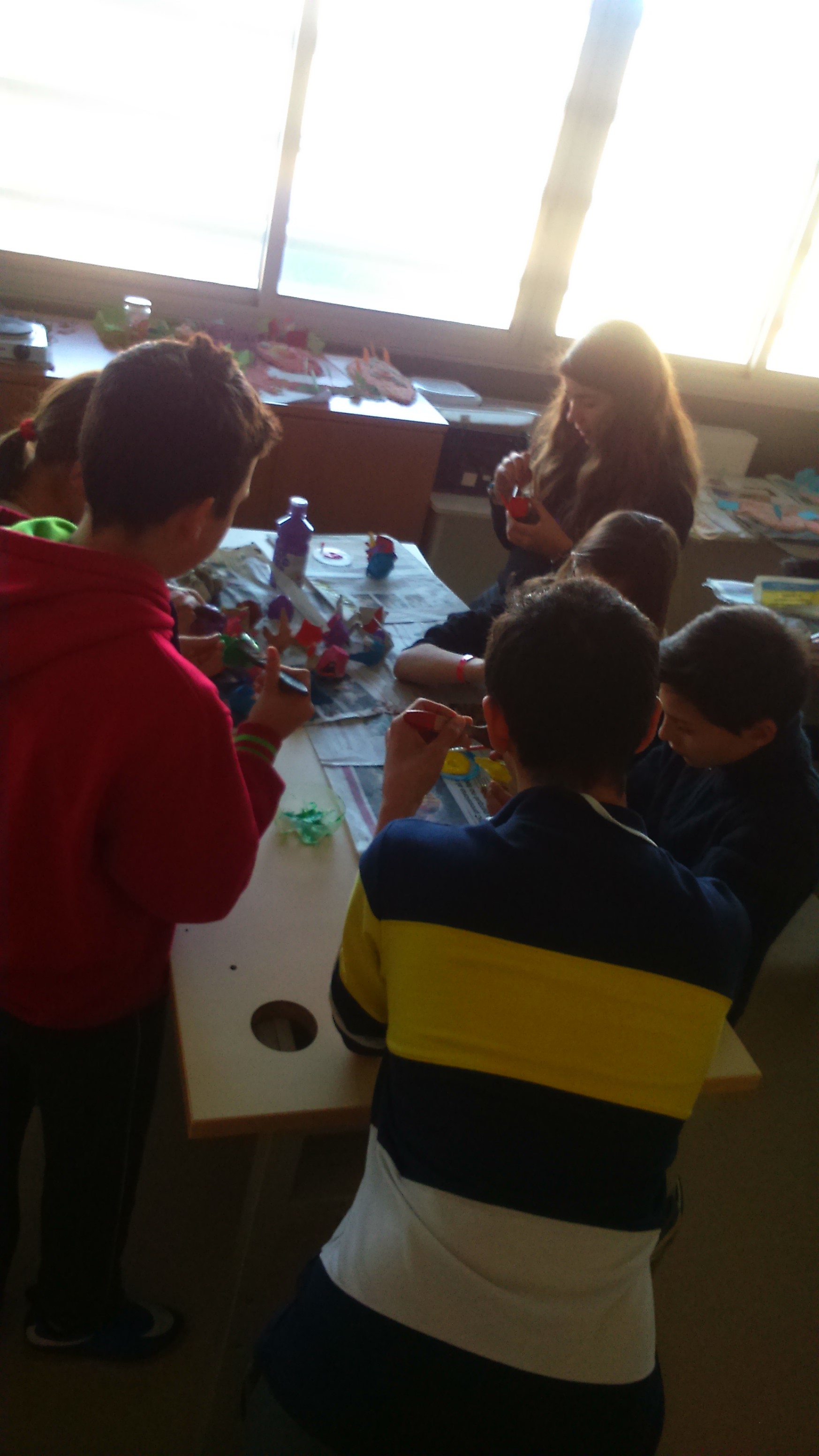
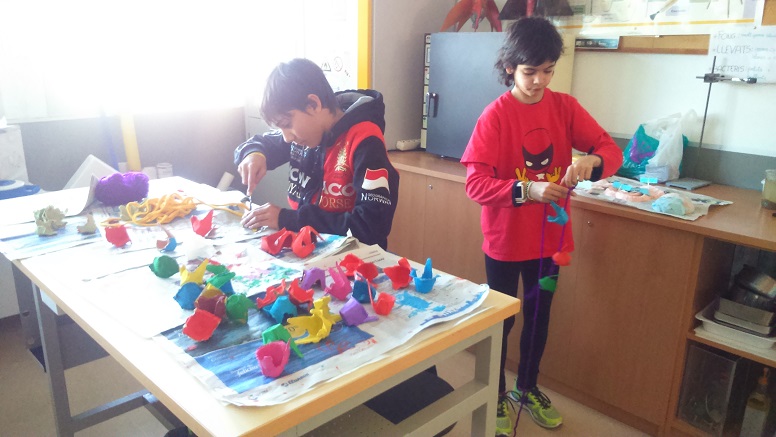
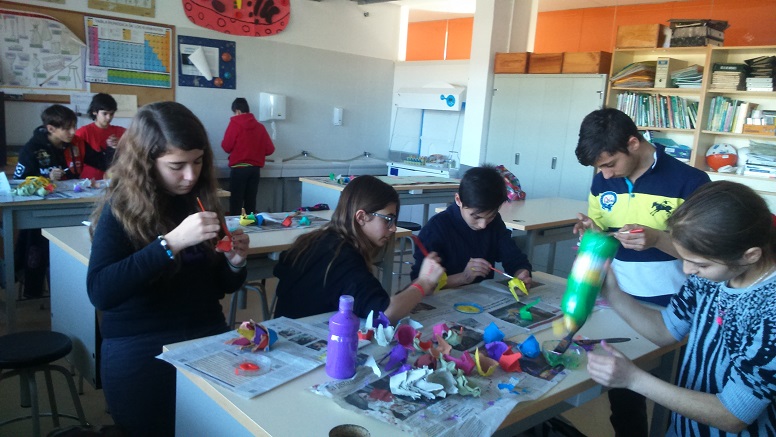
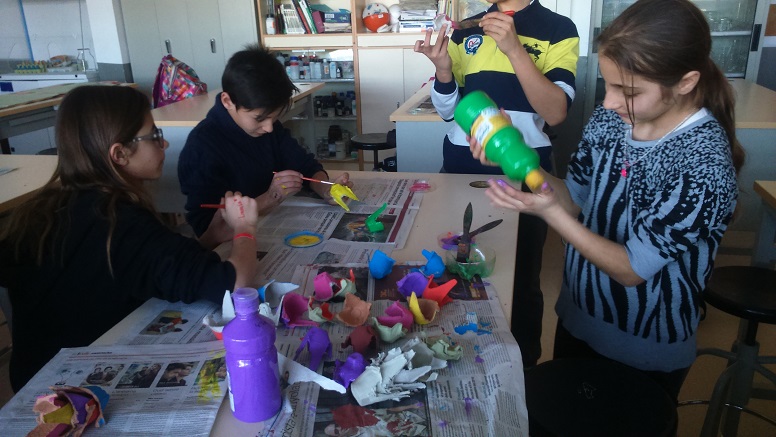
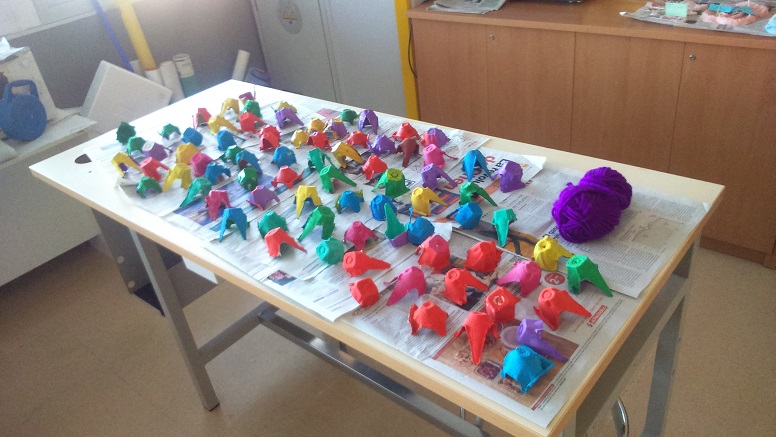
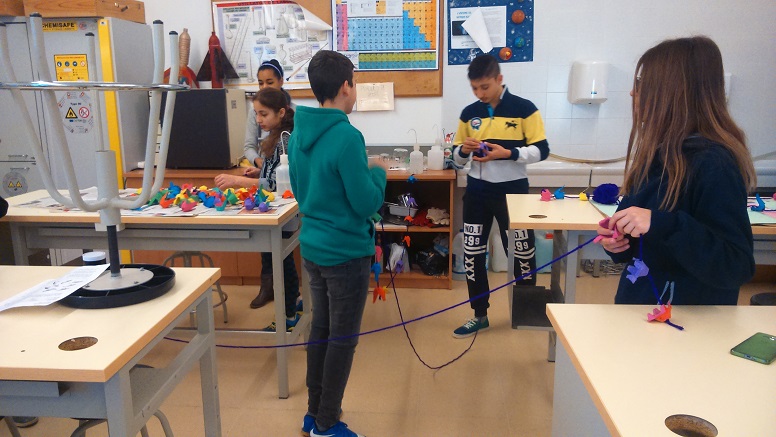
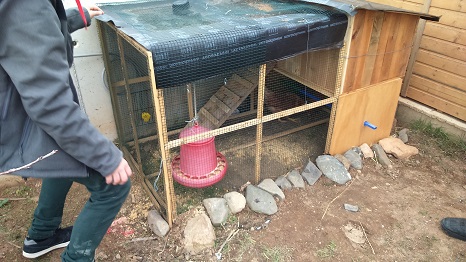
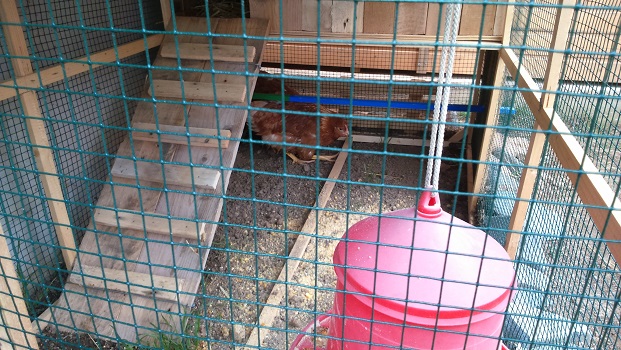
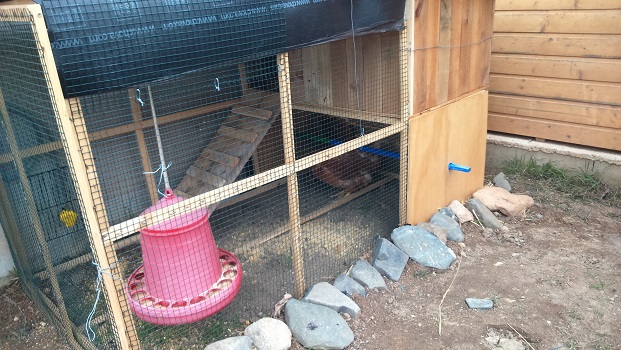
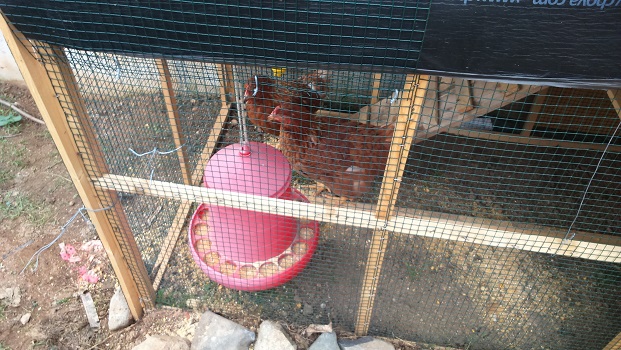
We finally have chickens in our school!
Els companys de l’Aula Oberta ens han construït un galliner i l’han ubicat a l’hort de l’institut. Hi em col.locat dues gallines i ara les cuidarem, els donarem aigua i menjar i mirarem si ens posen ous.

Activity: let’s recicly!
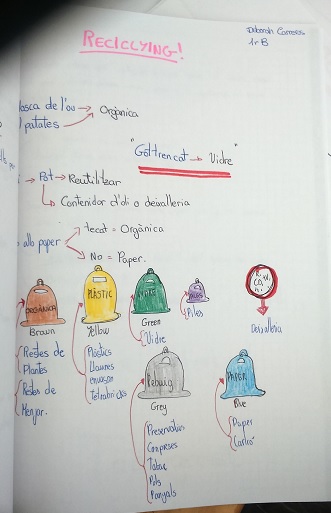
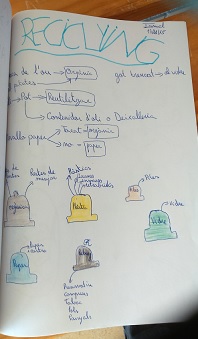
What bin should I trhow the egg’s shell? What bin should I throw the napkin after eating an omelette? What bin should I throw the carton egg box? What bin should I throw the plastic egg box?
Let’s learn about the bins, the green points and what happens after the rubbish truck pick up the rubbish and bring it…where?
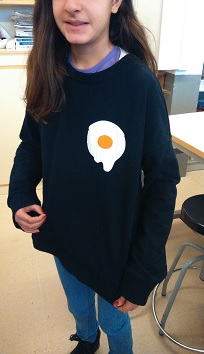
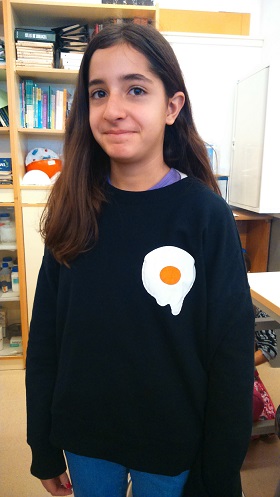
Aida is so interested in the subject that she even wears this T-shirt: